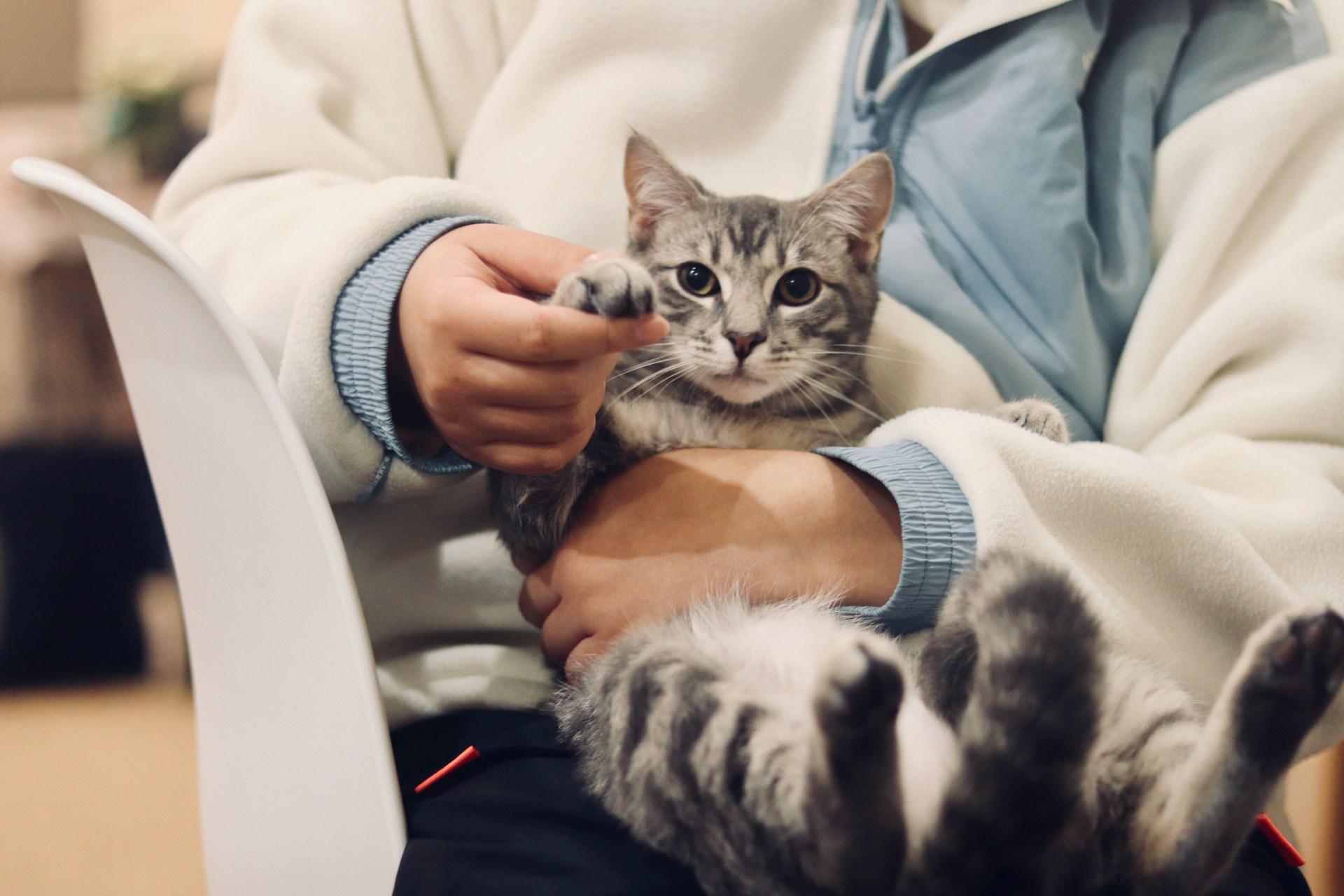
Your pet reads your mood. You read your pet’s mood. A trip to the clinic can turn both of you tense fast. The carrier. The car ride. The waiting room noise. Each step can raise fear and pain. Mobile veterinarians remove most of that strain. They come to your home. They see your pet in a safe space. They watch how your pet eats, moves, and rests in daily life. You stay close. Your pet stays calm. Routine checks feel less like a battle and more like simple care. This approach supports every stage of life, from first shots to Toronto in-home pet hospice. It also helps you ask hard questions without feeling rushed. You get clear answers. Your pet gets steady care. Everyone breathes easier.
Why Stress Matters For Your Pet’s Health
Stress changes how your pet’s body works. It can raise heart rate and blood pressure. It can hide signs of illness. It can even weaken the immune system over time.
The American Veterinary Medical Association explains that fear and anxiety can affect behavior and health in pets.
When you cut stress, you help your veterinarian see the real health picture. You also protect your pet from extra strain during exams and tests.
How Mobile Wellness Exams Work
Mobile veterinarians bring core parts of a clinic to your home. You still get a full check. You just skip the waiting room.
Most in-home wellness exams include three simple steps.
- Health talk. You share your pet’s history, food, routine, and any changes.
- Physical exam. The veterinarian checks eyes, ears, teeth, skin, heart, lungs, belly, joints, and weight.
- Testing and care. The veterinarian may draw blood, check stool, give vaccines, refill medicine, or trim nails.
The visit often happens at your kitchen table or on the floor where your pet rests. You help hold or comfort your pet when needed. You stay part of each step.
Why Exams At Home Feel Easier
In-home care cuts stress in three main ways.
- You remove travel. No crates. No cars. No strange smells or loud sounds.
- You keep control. You choose the room, the blanket, and the people present.
- You protect routine. Your pet can eat, drink, and rest on a normal schedule.
This calm setting helps shy pets, large dogs, cats who hate carriers, and older pets with sore joints. It also helps families with small children or tight schedules.
Clinic Visits And Mobile Visits: Side By Side
| FEATURE | TRADITIONAL CLINIC VISIT | MOBILE IN HOME WELLNESS EXAM |
|---|---|---|
| Travel | Drive to clinic. Load and unload pet. | No travel for you or your pet. |
| Waiting time | Wait in the lobby with other pets and people. | Wait at home where your pet feels safe. |
| Stress triggers | New smells, sounds, and other animals. | Familiar home setting and routine. |
| Time with veterinarian | Short visit in a busy clinic room. | Focused visit in your home with fewer breaks. |
| View of pet’s life | Snapshot in a strange place. | Full view of food, water, litter box, and habits. |
| Best use | Emergency care and complex surgery. | Wellness checks, behavior talks, and comfort care. |
What Mobile Veterinarians Can and Cannot Do
Mobile veterinarians can handle many routine and long-term needs. They often provide three main kinds of care.
- Prevention. Exams, vaccines, heartworm tests, flea and tick checks, and weight checks.
- Ongoing care. Help for skin problems, ear infections, sore joints, and chronic disease.
- Comfort care. Pain control, mobility support, and end-of-life talks and services.
Some services still need a full clinic. That includes surgery, X-rays, and intensive care. Many mobile veterinarians partner with clinics for these needs. They can guide you when a clinic visit is the safest choice.
How To Prepare Your Home For A Visit
A small amount of planning can keep the visit smooth and quiet.
- Pick a calm room with good light and space on the floor or a table.
- Place your pet’s records, medicines, and any supplements in one spot.
- Write a short list of questions and recent changes in behavior, eating, or bathroom use.
- Keep other pets in another room until asked to bring them out.
- Limit loud music, television, and extra visitors during the exam.
The Cornell University College of Veterinary Medicine offers more guidance on what veterinarians check during a wellness visit. .
Helping Children And Pets Stay Calm
Children often feel worried when they see a pet get an exam. You can protect both your child and your pet.
- Explain that the visit is like a school checkup. It helps the pet stay healthy.
- Let a child hold a favorite toy while the veterinarian works.
- Give your pet a blanket or bed that smells like home.
You can offer small treats if your veterinarian approves. You can praise your pet in a calm voice. These small steps build trust and reduce fear for the next visit.
End Of Life And Hospice Support At Home
When a pet reaches the final stage of life, the car ride to a clinic can feel harsh. In-home hospice and end-of-life care bring comfort to your pet and to your family.
Mobile veterinarians can assess pain, adjust medicine, and suggest changes to bedding, ramps, and food. They can lead to hard talks about the quality of life. They can also provide peaceful euthanasia at home when the time comes.
This quiet setting lets you hold your pet, share words, and grieve on your own time. It protects your pet from bright lights and strange rooms during a tender moment.
Choosing A Mobile Veterinarian
When you look for a mobile veterinarian, focus on three core points.
- License and training. Confirm they are licensed in your province or state.
- Services. Check that they provide the type of care your pet needs.
- Communication. Look for clear answers, written plans, and follow-up support.
You can ask how they handle emergencies, what equipment they carry, and which clinics they partner with. You can also ask about costs before the visit. Clear facts reduce your stress and help you plan.
Moving Forward With Calmer Care
Mobile wellness exams give you a simple promise. Your pet gets care where life happens. You gain time, quiet, and space to ask questions. You also lower the strain that clinic trips can bring.
With the right planning, in-home visits can become part of your normal routine. Your pet stays steady. You stay informed. Health care turns from a fight into a shared act of protection and respect.