You might be feeling a quiet worry every time your older pet hesitates on the stairs, sleeps a little longer, or seems a bit “off,” even if you cannot quite explain why. It started with small changes. A skipped meal here, a slower walk there. Now you are wondering if this is just normal aging, or if you are missing something important and if you should consult a veterinarian in Cape Coral.
That uncertainty can be heavy. You love your pet, you want to do right by them, and at the same time you may be thinking about money, time, and how hard it is to see them grow old. Because of this tension, you might wonder whether regular visits to an animal clinic really change anything for a senior dog or cat, or if it only adds more stress for both of you.
The short answer is that good animal clinics do far more than give shots and run tests. They help your aging pet stay comfortable for longer, catch problems earlier, and guide you through some very personal decisions with clarity and compassion. You are not just buying “appointments.” You are building a safety net around your senior pet’s last years.
So how exactly do animal clinics for senior pets improve outcomes, and what does that mean for you day to day?
Why caring for an aging pet feels so hard, and where an animal clinic fits in
Caring for a senior pet often brings a quiet mix of love, guilt, and fear. You might be asking yourself questions like “Am I missing something serious” or “How will I know when it is time to make a big decision” or “Can I even afford all of this.” These are normal questions. They are also the same questions veterinarians hear every week.
Here is the tricky part. Many age related diseases in pets start silently. Arthritis can begin long before there is a limp. Kidney disease can be present even when drinking and urination look normal. Mild cognitive changes can appear as simple “clinginess” or restlessness at night. Without support, it is easy to dismiss these changes until they are advanced and harder to manage.
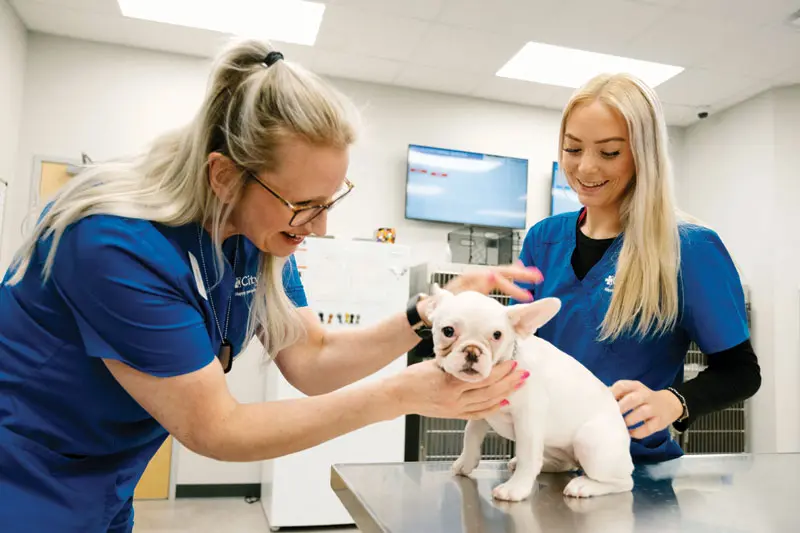
This is where a trusted animal clinic becomes less of a place you visit once a year and more of a partner walking beside you. Through regular senior wellness care, they can track changes over time, help you separate “normal aging” from warning signs, and give you clear options instead of guesswork.
If you want a deeper understanding of what “senior” means for different species and breeds, the American Veterinary Medical Association offers a helpful overview of senior pets and their changing needs.
Five key ways animal clinics improve outcomes for senior pets
So, where does that leave you when you walk through the clinic door with your gray faced dog or your older cat who hides more than before.
Here are five specific ways a thoughtful animal clinic can change the path of your pet’s later years.
1. Earlier detection of silent disease
Senior wellness exams often include blood work, urine tests, blood pressure checks, and a detailed physical exam. These are not just boxes to tick. They help uncover problems like kidney disease, thyroid imbalance, heart disease, or early cancer before your pet looks obviously sick.
For example, a cat with early kidney disease may act completely normal at home. If the clinic finds subtle changes on blood tests, you can adjust diet and care now, which often means fewer crises and hospital visits later. Catching problems early gives you more options and usually costs less compared with treating sudden advanced disease.
2. Better pain control and mobility support
Many older pets hurt more than they show. Dogs may slow down on walks, hesitate to jump into the car, or have trouble getting up. Cats often simply sleep more, avoid jumping to high places, or stop grooming certain areas. It is easy to call this “old age,” yet much of it is treatable pain.
A good animal clinic will look closely for signs of arthritis and chronic pain. They may suggest pain medications, joint supplements, weight management, or therapies like laser treatment and physical rehabilitation. The goal is not to turn your 12 year old dog into a puppy again. The goal is to help them move with less pain so they can enjoy more of the life they already have.
3. Tailored nutrition and weight management
As pets age, their calorie needs, digestion, and muscle mass all change. Extra weight can worsen arthritis, heart disease, and diabetes. On the other hand, unexplained weight loss can signal serious illness and should never be ignored.
An animal clinic can help you choose senior appropriate diets, set safe weight goals, and monitor changes over time. Even small adjustments in what and how you feed can improve energy and comfort. For some conditions, special prescription diets can slow disease progression in ways regular food cannot.
4. Support for behavior and cognitive changes
Older pets can develop cognitive dysfunction, which looks a bit like dementia in humans. You might notice confusion, pacing at night, accidents in the house, staring at walls, or changes in how your pet interacts with you.
These changes can be emotionally draining. You may feel impatient one moment and deeply guilty the next. An experienced veterinarian can help rule out medical causes, offer medications or supplements, and suggest simple changes at home like night lights, predictable routines, and puzzle feeders. This kind of support can reduce your stress and give your pet a calmer, safer world.
5. Guidance through big decisions and end of life care
One of the hardest parts of loving a senior pet is knowing that time is limited. You might worry about waiting too long, or about choosing euthanasia too early. The fear of regret can be intense.
Animal clinics that focus on senior pet wellness care understand this emotional load. They can help you track quality of life, talk honestly about what to expect, and plan ahead so you are not making rushed decisions in a crisis. Some clinics offer palliative or hospice style care focused on comfort, which can give you more meaningful time with your pet while still respecting their dignity.
How do routine senior checkups compare to a “wait and see” approach
You might still be torn between regular senior visits and simply watching your pet at home. A fair comparison can make this clearer.
| Approach | What it looks like | Short term impact | Long term outcomes |
|---|---|---|---|
| Regular senior wellness visits | Exams every 6 to 12 months, age focused lab tests, ongoing pain and weight checks | Some upfront cost and time, but clearer picture of your pet’s health | Earlier detection of disease, better pain control, fewer emergencies, more predictable planning |
| “Wait and see” at home | Visits only when something looks obviously wrong or very urgent | Less frequent spending, but more uncertainty about what is happening | Higher risk of sudden crises, limited treatment choices, often greater total cost and stress |
Research based senior wellness programs, like those offered at university veterinary centers, are built around this idea of prevention and early action. For example, the University of Georgia describes how structured senior wellness services can reveal disease before it becomes obvious at home.
Three practical steps you can take for your senior pet today
Knowing all this, what can you actually do right now, without feeling overwhelmed.
1. Schedule a dedicated senior checkup and bring your questions
If your pet is entering their senior years, ask your animal clinic for a senior focused wellness visit. Before you go, write down specific changes you have noticed, even if they seem small. Things like “drinks more water,” “stares at walls,” or “hesitates to jump” can be important clues. Share your budget and your biggest worries openly, so the veterinarian can tailor recommendations that are realistic for you.
2. Start a simple “health journal” at home
Pick a notebook or a note on your phone and record a few basics each week. Appetite, water intake, mobility, bathroom habits, and mood. This does not need to be perfect. The point is to notice patterns. Bring this record to your animal clinic visits. It gives your veterinarian a clearer view of your pet’s daily life and can guide smarter decisions.
3. Make one small comfort upgrade for your pet
Choose one change you can make in the next few days that would ease your pet’s life. A softer bed on the main floor to avoid stairs. A litter box with lower sides for easier access. Non slip rugs on slippery floors. Raised food and water bowls for a stiff neck or back. These simple adjustments, combined with guidance from a senior pet care animal clinic, can significantly improve your pet’s comfort without major expense.
Staying present with your senior pet, one choice at a time
Caring for an older dog or cat is not about doing everything. It is about doing the right things, at the right time, with the right support. An attentive animal clinic cannot stop time, yet it can help your pet stay comfortable longer, reduce last minute emergencies, and give you clearer answers when you feel torn.
You do not need to have every detail figured out today. Start with one appointment, one honest conversation, and one small change at home. Your pet does not measure your love by perfect decisions. They feel it in your presence, your patience, and your willingness to keep showing up.