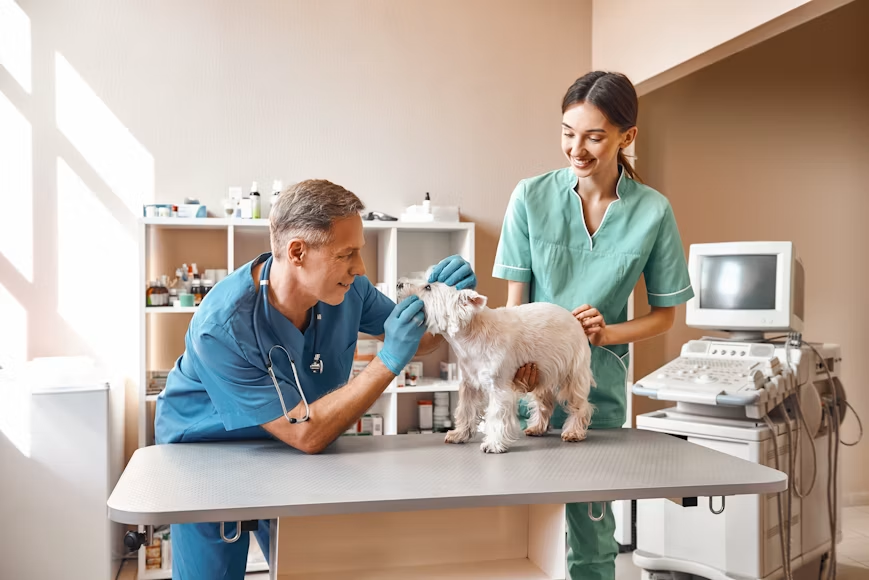
You might be watching your pet a little more closely right now. Maybe they have been limping, skipping meals, or just not acting like themselves, and that little knot of worry in your stomach will not go away. Before, you did not think twice about their zoomies across the living room. Now you are Googling symptoms at midnight and wondering if you are overreacting or if you should head to an animal clinic for pet spay and neuter in North Little Rock.end
If that sounds familiar, you are not alone. Every day, animal clinics quietly handle the same core problems over and over. That is actually good news. It means your pet’s issue is probably something vets know well and treat routinely. This overview of 4 common conditions treated at animal clinics every day will help you understand what might be going on and what kind of help is available, so you feel a bit less in the dark.
In short, most daily vet visits fall into a few big groups. Stomach and digestion troubles. Skin and ear problems. Breathing or coughing issues. And ongoing conditions like arthritis or diabetes. Each can be scary when it is your pet, yet most are manageable when caught early and handled with steady veterinary care. So where does that leave you when you are trying to decide whether to wait, watch, or call the clinic?
Is it “just a bug,” or is it time for the animal clinic to check your pet?
One of the most frequent reasons pets visit the vet is stomach and intestinal trouble. Vomiting, diarrhea, not eating, or straining in the litter box can all show up out of nowhere. You might tell yourself they just ate something odd, which may be true, but there is always that worry in the back of your mind. What if it is something more serious.
The problem is that digestive symptoms can look similar whether it is a mild upset or a real emergency. A puppy who chewed a sock, a cat with a hairball, or a dog with a dangerous intestinal blockage can all start with vomiting. That uncertainty is what makes this so stressful. You are stuck between “wait and see” and “rush to the clinic” and neither choice feels safe.
Clinics see this every day. They examine your pet, check hydration, feel the belly, sometimes run bloodwork or imaging, and then guide you. Sometimes it is simple. Fluids, bland food, and rest. Other times they may find something that needs treatment right away. When in doubt, especially if there is repeated vomiting, bloody stool, or your pet seems weak, an exam is the safer path.
Why skin, ear, and allergy problems keep coming back
Another huge share of daily cases at an animal clinic involves itching, redness, ear shaking, or licking paws raw. You might notice your dog suddenly scratching all night or your cat grooming one spot until the fur is thin. At first you may try home fixes, maybe a bath or over the counter wipes, but the problem often returns or even gets worse.
That is because skin and ear issues are often a sign of something deeper. Allergies to food or the environment, yeast or bacterial infections, parasites like fleas or mites. These are not just surface problems. They are driven by triggers inside or outside the body, so creams alone rarely solve them for long.
Vets deal with these flare ups every single day. They look inside the ears, check the skin up close, sometimes collect samples and examine them under a microscope. Treatment might involve ear drops, medicated shampoos, allergy control, or flea prevention. The emotional challenge for you is the feeling that you “should have fixed it by now.” In reality, many pets need ongoing management, not a one time cure, and that is completely normal.
When coughing, sneezing, or breathing changes are more than a cold
Coughing, sneezing, or breathing changes can be especially frightening. The sound of a dog coughing through the night or a cat breathing faster than usual is hard to ignore. You might wonder if it is a simple infection, something contagious from the dog park, or a sign of heart or lung disease.
Respiratory issues are a regular part of daily clinic life. Young pets may come in with kennel cough or mild infections. Older pets might show early signs of heart disease or chronic lung problems. Because of this wide range, vets rely on the physical exam and sometimes imaging or lab tests to sort things out. Centers like the internal medicine and imaging service at Cornell’s veterinary hospital describe how they use advanced tools for internal medical conditions and imaging, often starting with the same basic questions your local clinic will ask. How long has this been going on. Is your pet eating. Is there any fainting, collapse, or blue gums.
For you, the biggest stress is not knowing how urgent it is. Any obvious struggle to breathe, wide open mouth breathing in a cat, or blue tongue or gums is an emergency and needs immediate care. Mild coughs or sneezes still deserve a call to the clinic, especially if they persist or your pet seems tired or stops eating.
Chronic conditions your animal clinic manages quietly every day
Beyond sudden problems, many clinics spend a large part of every day helping pets with ongoing, long term conditions. Arthritis. Diabetes. Kidney disease. Thyroid issues. These do not always show up in one dramatic moment. They creep in. A dog that no longer wants to jump into the car. A cat drinking more water and losing weight. You might even assume it is just “old age.”
Regular checkups and annual wellness exams are where many of these issues are first picked up. Vets listen to the heart, check the joints, look at teeth, and may suggest bloodwork or urine tests. Catching chronic disease early can mean simpler treatment and a better quality of life for your pet. It can also spread out costs over time instead of a single crisis visit.
There is also the emotional side. Hearing that your pet has a disease that will need lifelong care can feel heavy. You might worry about their comfort, your schedule, and the financial burden. This is where ongoing partnership with your clinic matters. Adjusting medication, checking response, and planning ahead turn a scary diagnosis into a manageable routine.
How do day to day clinic visits compare, and what should you watch for?
It can help to see how these common conditions stack up in terms of urgency, cost, and what you might notice at home. Every pet is unique, but this comparison can give you a clearer starting point when you are deciding what to do.
| Condition type | Common signs at home | Typical urgency | What clinics often do |
|---|---|---|---|
| Stomach and digestion issues | Vomiting, diarrhea, not eating, straining, eating foreign objects | Moderate to high, especially with repeated vomiting, blood, or lethargy | Exam, hydration check, possible bloodwork or imaging, fluids, diet changes |
| Skin, ear, and allergy problems | Itching, licking, redness, paw chewing, ear odor or discharge | Low to moderate, but can become urgent if there is severe pain or swelling | Skin and ear exam, microscopic tests, topical and oral medications, allergy or parasite control |
| Respiratory and coughing concerns | Coughing, sneezing, noisy breathing, exercise intolerance | Moderate to emergency if breathing is labored or gums are blue | Listening to heart and lungs, chest imaging, lab tests, oxygen or medications as needed |
| Chronic diseases and aging changes | Stiffness, weight changes, increased thirst or urination, slower activity | Usually low urgency, but needs timely evaluation to prevent crises | Wellness exam, blood and urine tests, long term medication plans, diet changes, monitoring |
Knowing that most common pet health problems treated at animal clinics fall into these groups can help you focus on what you are seeing at home. Is it sudden and severe. Is it mild but persistent. Are there changes in appetite, behavior, or breathing. These questions matter more than any one symptom in isolation.
What can you do right now to protect your pet’s health?
When you are worried, it is easy to freeze or to scroll endlessly online. A few focused steps can bring your stress down and give your pet the best chance at a good outcome, whether you are dealing with stomach trouble, itching, or a chronic condition.
1. Watch and write down specific symptoms
Instead of trying to remember everything in the moment, jot down what you see. When did it start. How often is your pet vomiting, coughing, or scratching. Are they eating and drinking normally. Any changes in pee or poop. Short notes on your phone are enough. This simple record helps your vet quickly sort through possibilities and can shorten the time to the right treatment.
2. Use trusted sources while you decide on next steps
The internet is full of scary stories. If you look things up, stick to reputable sources. For general pet health and disease information, the CDC’s guide on staying healthy around pets offers solid background about risks and prevention. It will not replace an exam, but it can help you understand what might be contagious, what to clean, and how to protect both your family and your pet.
3. Build a habit of regular clinic visits, not just emergency trips
Many of the conditions that feel like “sudden problems” have been quietly building for a while. Making routine appointments for checkups, vaccines, and age appropriate screening gives your vet a chance to catch small changes early. This is the core of ongoing pet care at the animal clinic. It means fewer surprises, more options, and often lower long term costs, because you are treating issues before they turn into emergencies.
You do not have to figure this out alone
Worrying about a sick or uncomfortable pet can be exhausting. You are trying to read their body language, manage your budget, and decide how urgent everything feels, all at once. It is a lot. The good news is that the issues you are facing are the same ones animal clinics handle over and over every day, from upset stomachs to itchy skin to chronic disease.
If something feels off, trust that instinct. Reach out to your local clinic, share what you are seeing, and ask what they recommend. Even a quick conversation can help you breathe a little easier. Your pet does not need perfect care. They need steady, caring attention and timely help when things change. You are already doing that by asking questions and looking for answers.