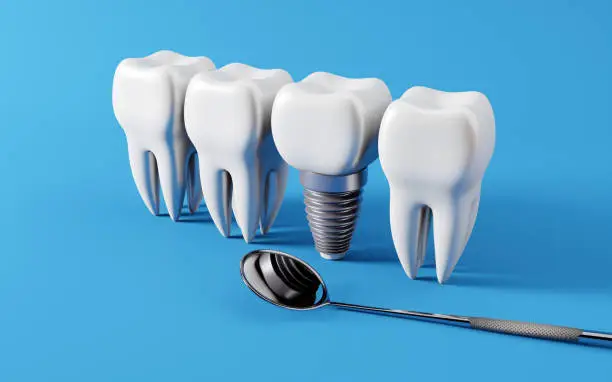
Your mouth shows quite a few signs long before pain starts. You may notice a small chip, a faint stain, or bleeding when you brush. You might ignore it. Today, general dentistry does not ignore anything. It uses new tools to catch problems early. It also uses simple daily steps to stop problems before they grow. An East Liverpool Dentist now uses digital scans, safer X‑rays, and strong new materials. These tools help you keep your real teeth for more years. They also make visits shorter and calmer. Routine care is more effective after treatment. Smart habits at home turn small fixes into long-term strength. This blog explains how new methods and steady checkups work together. You will see how early care can protect your health, your time, and your money. You will also see what to expect at your next visit.
Why prevention still comes first
Prevention begins with three steps. You brush. You clean between your teeth. You see your dentist on a set schedule. These steps sound small. They change your health in quiet ways.
When you clean your teeth, you remove soft film that holds germs. These germs feed on sugar. They create acid that wears down enamel. Over time, you face cavities, gum disease, and tooth loss.
Regular visits give you something extra. A trained eye and new tools find early changes that you cannot see. You get clear choices before pain starts. You stay in control.
New tools that protect your teeth
Modern general dentistry uses simple tools that give clear pictures and fast results. These tools support prevention. They do not replace it.
- Digital X rays. These use less radiation than old film X-rays. You see images on a screen within seconds. Your dentist can zoom in and explain small changes.
- Intraoral cameras. This tiny camera lets you see what your dentist sees. You look at cracks, worn spots, or red gums on a monitor. You understand problems sooner.
- 3D digital scans. A small wand scans your teeth. It replaces sticky impression trays in many cases. You get a clear 3D model for crowns, night guards, or clear aligners.
Each tool has one goal. It gives an early warning. It turns hidden problems into clear pictures you can act on.
Stronger materials for long lasting repairs
When you need a filling or crown, new materials help protect your tooth from more harm. They also support daily cleaning.
- Tooth colored fillings. These match your natural tooth. They bond to enamel. They often let your dentist keep more of your real tooth.
- Ceramic and metal ceramic crowns. These cover weak teeth. They spread out their biting force. They reduce the risk of cracks.
- Sealants. These thin coatings cover the grooves on back teeth. They block germs from settling in deep pits. They help children and teens avoid early cavities.
Better materials mean fewer repeat repairs when you care for them. They also make brushing and cleaning between teeth simpler. Smooth edges trap less plaque.
How innovation and prevention work together
New tools only help when they support daily habits. The real strength comes when both work at the same time.
- You brush and clean between your teeth. Then your dentist uses digital tools to check the spots you miss.
- You eat less sugar and drink more water. Then your dentist checks for dry mouth and early wear.
- You follow a set visit schedule. Then your dentist tracks small changes over many years.
This partnership keeps treatment small. You fix early cracks instead of waiting for root canals. You treat mild gum disease instead of losing teeth.
Data that shows the power of preventive care
Preventive care has clear results. The numbers below show how simple steps protect you and your family.
| Age group | Percent with untreated cavities | What regular care can change
|
|---|---|---|
| Children 5 to 11 years | About 13 percent | Sealants and checkups can lower this risk |
| Teens 12 to 19 years | About 10 percent | Fluoride, sealants, and diet changes help |
| Adults 20 to 44 years | About 25 percent | Cleanings and early fillings prevent tooth loss |
| Adults 45 to 64 years | About 25 percent | Gum care and crowns protect remaining teeth |
What to expect at a modern general dentistry visit
A family visit now feels clearer and calmer. You know what comes next. You know why each step matters.
You can expect three main parts.
- Review and talk. You share your health history, daily habits, and any pain. Your dentist listens and asks direct questions.
- Checkup and cleaning. You may have digital X-rays or scans. The team checks gums, teeth, and bite. A hygienist removes tartar and polishes your teeth.
- Plan and support. You hear what looks strong and what needs care. You get a clear plan with simple home steps. You may get printed or digital tips.
Children often get extra support. This can include sealants, fluoride, or simple coaching on brushing. Parents learn how to guide habits at home.
How you can protect your mouth between visits
Your daily choices control much of your oral health. You do not need complex routines. You need steady ones.
- Brush two times a day with fluoride toothpaste.
- Clean between teeth once a day with floss or small brushes.
- Limit sugary drinks and snacks. Choose water often.
- Use a mouthguard for sports or if you grind at night.
- Do not smoke or use tobacco.
- Keep regular dental visits, even when nothing hurts.
These steps support the work your dentist does. Innovation in the office and prevention at home form a strong shield. You gain comfort, clear speech, and steady confidence when you smile.