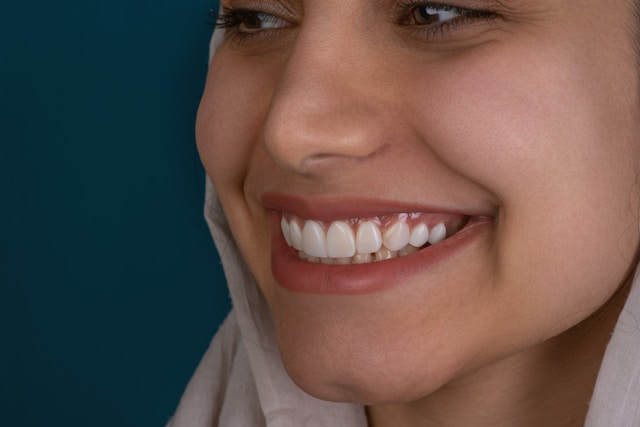
Healthy teeth protect more than your smile. They protect your comfort, your sleep, and your confidence at work and home. Yet many people wait for pain before calling a dentist. That delay often leads to costly treatment and needless stress. This blog walks through 5 simple preventive services that keep your mouth stronger all year. You learn what each service does, when you need it, and how it helps you avoid drills and emergency visits. You also see why regular care with a trusted dentist in North Fresno can stop small problems before they grow. Each step is clear. Each one gives you control over your health. You deserve care that feels calm and predictable. You also deserve clear answers, not pressure. Start with better knowledge. Then use it to protect your smile month after month.
1. Regular Checkups and Cleanings
Routine checkups and cleanings form the base of strong oral health. You might brush and floss every day. Yet plaque and hard tartar still build up in spots you cannot reach.
During a checkup, your dentist and hygienist will
- Check each tooth for soft spots or chips
- Look at your gums for swelling or bleeding
- Clean away plaque and tartar that cause cavities and gum disease
The American Dental Association suggests a visit at least every 6 months for most people. You may need more visits if you have diabetes, dry mouth, or gum disease. Skipping visits often turns small repairs into major work.
2. Fluoride Treatments
Fluoride is a natural mineral that strengthens tooth enamel. It helps your teeth fight off early decay. Many public water systems add it to protect community health.
In the dental office, fluoride treatment takes only a few minutes. Your dentist might use a foam, gel, or varnish painted on your teeth. It feels simple. It also gives extra protection, especially if you
- Have a history of frequent cavities
- Wear braces
- Take medicines that cause dry mouth
- Drink mostly bottled or filtered water
Children and teens gain strong protection from fluoride. Adults with weak enamel or sensitive teeth also benefit. Regular fluoride can mean fewer fillings over time.
The Centers for Disease Control and Prevention explains fluoride safety and benefits at the community level.
3. Dental Sealants
Sealants act like a thin shield over the chewing surfaces of back teeth. These teeth have deep grooves that trap food and germs. Even good brushing can miss those spots.
During the visit, the tooth is cleaned and dried. Then, a clear or white coating is placed onto the chewing surface. It hardens quickly. You can eat soon after. The tooth stays covered from food and bacteria.
Sealants are common for children once their permanent molars appear. Teens and some adults also qualify, especially if they have deep grooves or early signs of decay.
The CDC reports that sealants can prevent most cavities in back teeth for many years. That means fewer fillings and less stress for you and your child.
4. X‑Rays and Early Detection
Some problems hide under the surface. X‑rays help your dentist see between teeth and under the gums. They reveal issues before you feel pain.
Dental X‑rays can show
- Small cavities between teeth
- Bone loss from gum disease
- Infections at the root tip
- Impacted or crowded teeth
Your dentist will guide how often you need X‑rays. Children, smokers, and people with many fillings may need them more often. Others may need them less. Modern digital X‑rays use low radiation and quick exposure.
Early detection means simpler treatment. It also helps you avoid sudden emergencies and tooth loss.
5. Personalized Home Care Coaching
What you do at home every day shapes your oral health more than any single treatment. Yet many people never receive clear, personal guidance.
During a preventive visit, your dental team can
- Show you how to brush and floss for your mouth
- Suggest tools like interdental brushes or water flossers
- Review your diet and drink habits that affect teeth
- Talk about tobacco, vaping, or grinding that harms enamel
This coaching turns vague advice into clear steps. You leave knowing what to change and how to do it. Small daily habits often prevent bleeding gums, bad breath, and future tooth loss.
Comparing Common Preventive Services
| Service | Main Purpose | Typical Frequency | Key Benefit
|
|---|---|---|---|
| Checkup and Cleaning | Remove plaque and check teeth and gums | Every 6 months for most people | Catches problems early |
| Fluoride Treatment | Strengthen enamel | Every 3 to 12 months | Lowers risk of new cavities |
| Dental Sealants | Protect grooves in back teeth | Once, with checks at visits | Blocks food and germs from deep pits |
| X‑Rays | Reveal hidden problems | Every 1 to 3 years, based on risk | Finds issues before pain starts |
| Home Care Coaching | Improve brushing, flossing, and habits | During routine visits | Builds strong daily routines |
How to Use These Services All Year
You do not need to change everything at once. You can start with three steps.
- Schedule your next checkup and cleaning
- Ask if fluoride or sealants would lower your risk
- Request simple, written home care instructions
Preventive care gives you calm instead of crisis. It turns fear of the dentist into a routine part of staying healthy. With steady visits and clear home habits, you protect your mouth, your sleep, and your peace of mind all year.