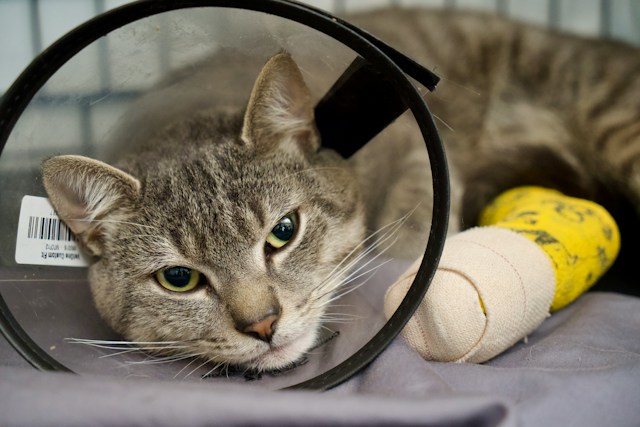
You brought your pet home after surgery, an injury, or a frightening diagnosis, and the relief of having them back is mixed with a new kind of worry. They are moving differently. They seem tired, frustrated, or confused. You are watching every step, every stretch, every small sign of pain, and you are trying to figure out what recovery is supposed to look like. That strain is real. At an animal hospital in League City, pet rehabilitation is not just about exercises or follow up visits. It is about helping your pet regain comfort, strength, and confidence while giving you a clear plan you can actually follow.
How Animal Hospitals Guide Pet Owners Through Rehabilitation often comes down to three things. A good team explains what your pet can safely do, tracks progress in ways you can see, and supports the emotional side of recovery for both of you. That guidance matters because healing at home rarely moves in a straight line. Some days your dog wants to do too much. Some days your cat hides and refuses every plan you had for the afternoon. An animal hospital helps turn that uncertainty into structure.
Animal hospitals make pet rehabilitation feel manageable
Recovery sounds simple until you are living it. You may be told your pet needs restricted activity, medication, range of motion work, controlled walks, and follow up exams, all while avoiding setbacks. That is a lot to carry when you are also working, caring for your family, and trying not to miss a sign that something is wrong.
This is where an animal hospital steps in with more than medical treatment. The veterinary team looks at pain control, healing time, mobility, behavior, and your home routine. If your dog had a cruciate ligament repair, the plan may include gradual weight bearing, short leash walks, and rehab exercises adjusted week by week. If your cat is recovering from trauma, the focus may be gentle movement, stress reduction, and close monitoring for hidden pain. The point is not to hand you a generic sheet and send you home. The point is to match the recovery plan to the pet in front of them.
Pet recovery support from veterinarians also helps prevent the common problems that show up between visits. A pet that seems better may suddenly overdo it. A pet that resists movement may lose strength faster than expected. Without guidance, owners often swing between doing too much and doing too little. Both can slow healing.
Trusted hospitals also teach you what normal progress looks like. You learn which changes are expected, which signs need a call, and how to set up your home so daily care is easier. The AVMA pet care resources offer useful support for owners who want reliable information between appointments.
Rehabilitation support includes physical care and emotional support
Pets do not recover in a vacuum, and neither do their people. Pain affects mood. Limited mobility affects sleep, appetite, and behavior. A dog that once raced to the door may stand still and look at you, unsure. A cat that used to jump onto the couch may stop trying. Those changes hit hard because they do not feel like small medical details. They feel personal.
Animal hospitals that offer veterinary rehabilitation services often work as a team. Veterinarians assess healing and pain. Technicians help with handling and home instructions. Rehabilitation staff may use targeted exercises, underwater treadmill therapy, therapeutic laser, balance work, or manual therapy when appropriate. Ohio State’s canine sports medicine and physical rehabilitation program shows how structured rehab can support function, comfort, and safe return to activity through evidence based care. You can read more about that approach through canine sports medicine and physical rehabilitation.
There is also the human side. Owners often carry guilt, fear, and exhaustion during a long recovery. Some animal hospitals connect families with a veterinary social worker or similar support professional, especially when the case is serious or the care demands are intense. That kind of help can make a real difference when decisions feel heavy. Ohio State explains the role well in this overview of what a veterinary social worker does.
Home care and professional rehabilitation each have a place
Most recovery plans include both clinic based care and home care. The challenge is knowing where one ends and the other begins. Home routines are essential because healing happens day by day, not only during appointments. Professional rehab matters because trained eyes catch weakness, compensation, and pain that owners may not see until the problem grows.
| Approach | What It Helps With | Common Limits |
|---|---|---|
| Home exercise plan | Consistency, gentle mobility work, controlled walking, daily monitoring | Technique errors, missed warning signs, hard to adjust without guidance |
| Professional rehabilitation sessions | Pain assessment, tailored progression, therapeutic equipment, safer muscle rebuilding | Added cost, travel, scheduling demands |
| Medication without rehab | Short term pain relief, inflammation control | Does not rebuild strength, balance, or function on its own |
| Rest alone | Useful in early healing phases or flare ups | Too much rest can lead to stiffness, weakness, and slower return to normal movement |
A mixed plan is often the most realistic. Your pet may need in hospital evaluation every few weeks, with short exercises and environmental changes at home in between. That balance keeps care practical while still giving your pet skilled oversight.
Clear next steps help pet owners support rehabilitation at home
1. Ask for a written recovery plan.
You need specifics, not broad advice. Ask for activity limits, exercise instructions, pain signs to watch for, and a timeline for rechecks. If your pet’s routine changes, ask the hospital to revise the plan rather than guessing.
2. Track small changes every day.
Write down appetite, bathroom habits, sleep, weight bearing, and how easily your pet gets up or lies down. Short videos help too. Progress can be subtle, and setbacks are easier to catch when you have a record instead of relying on memory.
3. Make your home easier on the body.
Use rugs for traction, block stairs if needed, raise food and water bowls when advised, and keep recovery spaces quiet. These simple changes reduce strain and make the rehab plan more effective.
Steady guidance gives recovery a better path
Rehabilitation can feel slow because it is slow. That does not mean it is failing. Healing often shows up in small wins, a steadier walk, a smoother sit, a little more interest in the day. Animal hospitals help you recognize those gains, respond to setbacks early, and keep your pet moving toward comfort and function with a plan that makes sense. If your pet is facing a long recovery, ask your veterinary team about rehab support and what the next stage should look like.