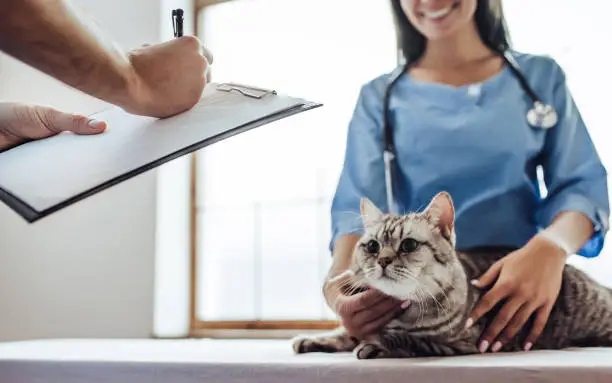
You might be watching your pet slow down and wondering if this is just “old age” or if something more can be done. Maybe your dog used to jump into the car without thinking and now hesitates. Maybe your cat no longer climbs to their favorite spot. At our veterinary clinic in South Houston, you know they are not themselves, and you are trying to balance hope with the fear of pushing them too hard.end
That tension is exhausting. You want your pet to be comfortable, but you also want them to enjoy life again. You may have heard about physical therapy and rehab for animals, yet it can feel confusing. Is it real medicine or just a luxury? Will it hurt your pet or help them? How do you even start the conversation with your veterinarian?
The short version is this. Rehabilitation in veterinary hospitals is no longer a fringe idea. It is becoming a core part of care for pets with arthritis, injuries, neurological problems, and after surgery. Thoughtful rehab can reduce pain, speed healing, and help your pet move with more confidence, often using many of the same principles used in human physical therapy. Your job is not to become an expert. Your job is to understand what is possible and how to choose the right help.
Why are rehab services becoming so common in veterinary hospitals?
It often starts with a moment you cannot ignore. Your dog yelps when getting up. Your cat stops jumping on the bed. Or your pet has surgery, and you go home with a long list of instructions and a knot in your stomach about recovery. In those moments, it is easy to feel alone and overwhelmed.
The truth is that pets are living longer, and veterinary medicine is more advanced than ever. We can repair torn ligaments, manage complex spinal issues, and control chronic diseases. Because of this progress, there is a new question. How do we help animals heal well, not just survive? That is where rehabilitation services in veterinary hospitals are stepping forward.
Research supports this shift. Studies in canine rehabilitation show that targeted exercises and therapies can improve function and quality of life in dogs with neurological disease and orthopedic injuries. For example, work published in the National Center for Biotechnology Information highlights how structured rehab improves mobility and comfort in veterinary patients. Another study on canine spinal cord injury recovery in PubMed-indexed research points to the value of guided, repeated movement in regaining function.
So where does that leave you? It means that when your veterinarian talks about rehab, they are not suggesting “extra” care. They are talking about a growing, evidence-based part of modern treatment.
What problems is animal rehabilitation really trying to solve?
To understand the growing role of veterinary rehabilitation therapy, it helps to look at the real problems it addresses. On the surface, you see stiffness or limping. Underneath, there are several layers.
First, there is pain. Arthritis, injuries, and surgery all change how a pet moves. When something hurts, they avoid using that limb or part of the body. This creates new problems, like muscle loss, joint stiffness, and strain on other areas. Over time, your pet can become weaker and less steady, even if the original injury has healed.
Second, there is fear and loss of confidence. A dog that slips on the kitchen floor may start to avoid walking there altogether. A cat that falls when jumping may stop trying. Movement becomes something to be wary of. This emotional piece is often overlooked, yet it affects recovery just as much as the physical side.
Third, there is the financial and emotional weight on you. Without a plan, you may spend money on repeated imaging, medications, or “rest and see” approaches that still leave your pet struggling. You may also feel guilty, wondering if you are doing too little or too much. That kind of uncertainty is draining.
Rehabilitation in a veterinary hospital tries to bring order to all of this. A trained rehab veterinarian or therapist assesses how your pet moves today, measures strength and range of motion, and then builds a plan that fits both your pet and your home life. It might include controlled exercises, underwater treadmill work, massage, stretching, or tools like laser therapy. The goal is not perfection. The goal is better function, less pain, and a safer, steadier way of moving.
If you are wondering whether this really matters, long term data supports that it does. The UC Davis Center for Companion Animal Health has shared real-world examples of dogs recovering from orthopedic and neurologic issues with structured rehab, showing improvements in comfort and mobility over time. You can see some of those stories and explanations in their newsletter on rehabilitation and physical therapy.
How does rehab compare to “rest and medication” alone?
You might be asking yourself a very practical question. Why not just use pain medication and rest, and see how things go? It is a fair question, and it deserves a clear comparison.
The table below outlines some of the key differences between doing only basic home care and using structured therapy within a veterinary hospital setting.
| Approach | What it usually involves | Potential benefits | Common risks or limits |
|---|---|---|---|
| Rest and medication only | Restricted activity, pain meds, maybe short walks, “wait and see” rechecks | Simple to follow. Lower upfront cost. Helpful for mild, short term issues. | Muscle loss from inactivity. Stiff joints. Ongoing pain once meds wear off. Slower return to normal activity. |
| Home exercises without guidance | Owner finds exercises online or adapts human PT ideas for their pet | Shows initiative and can help mild stiffness. Builds bond through time together. | Risk of overdoing or using the wrong motions. No way to measure progress. Can worsen injuries if not appropriate. |
| Structured rehab in a veterinary hospital | Assessment by trained team. Tailored exercises, manual therapy, tools like underwater treadmill or laser. Clear home plan. | Targeted pain relief. Better joint mobility. Stronger muscles. Improved balance and confidence. Often faster, safer recovery. | More visits and higher upfront cost. Requires commitment to home exercises between sessions. |
This does not mean every pet needs intensive therapy. Some do well with short programs or periodic check ins. The point is that coordinated veterinary hospital rehabilitation gives you a structure, so you are not guessing or hoping. You have a team watching your pet’s progress and adjusting as needed.
What can you do right now if you think your pet might benefit?
If all of this feels like a lot to take in, that is normal. You are already doing something important by asking questions. Here are three clear steps you can take, starting today.
1. Start an honest conversation with your primary veterinarian
Bring your concerns in concrete terms. Instead of saying “He seems off,” try “He struggles to get up after lying down” or “She no longer jumps on the couch and hesitates at the stairs.” Specific changes in movement help your vet see what you see.
Ask directly whether animal rehab services might help. You might say, “If this were your dog or cat, would you consider rehab or physical therapy at this stage?” That question often opens a more candid discussion about timing, options, and realistic goals.
2. Ask about training, credentials, and a clear plan
If your clinic offers rehabilitation, ask who will be working with your pet and what training they have. Many rehab providers have additional certifications in animal physical therapy or sports medicine. This does not need to be awkward. You are simply making sure your pet is in skilled hands.
Also ask what the first month would look like. How many visits are typical. What kind of home exercises are expected. How progress will be measured. A thoughtful plan usually includes baseline measurements and a check point to decide whether to continue, adjust, or stop.
3. Prepare your home for safer, easier movement
Even before formal rehab begins, you can make your pet’s life easier. Simple changes matter. Place rugs or non slip mats where your pet walks most. Add a ramp or steps to help them reach the couch or car. Elevate food and water bowls if neck or back pain is an issue.
Short, frequent, controlled walks are often better than one long outing. Use a harness that supports the chest instead of pulling on the neck. These changes protect the progress your pet makes in therapy and reduce the chance of re injury.
Finding a path that feels right for you and your pet
You do not have to choose between doing nothing and doing “everything.” Rehabilitation services in veterinary hospitals are about finding that middle ground. Enough structure to support healing. Enough flexibility to fit your life and your budget.
Your pet does not care about the names of therapies or the latest research. They care that getting up hurts less, that walking feels easier, and that they can return to the small joys that define their days. Thoughtful rehab can help them get there, step by step.
If you are already worried, that is a sign of how much you care. Use that concern as fuel to ask questions, explore options, and build a plan, rather than as a reason to feel stuck. With the right support, many pets move better, feel safer, and stay active longer than their families ever thought possible.