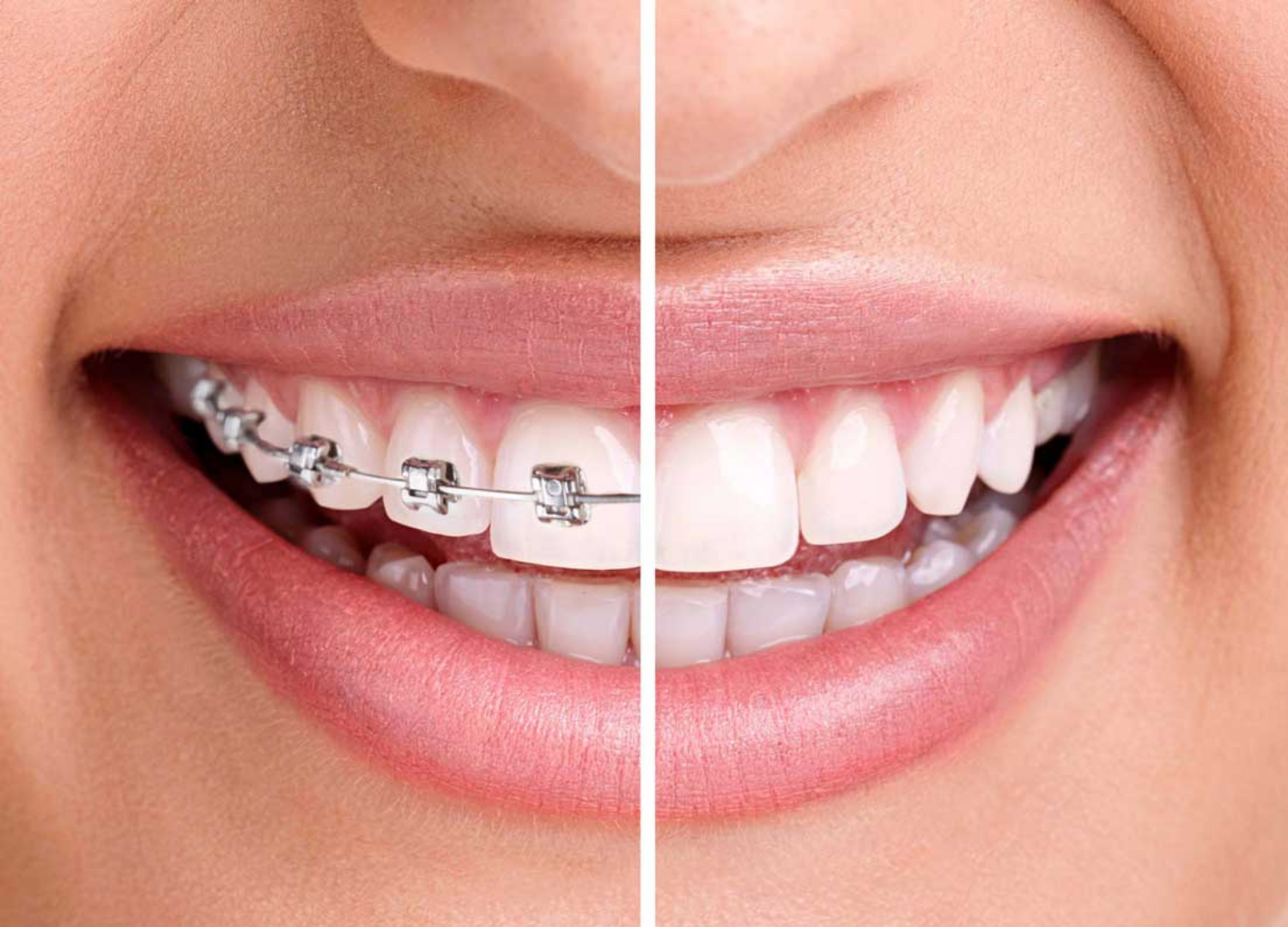
You might be wondering if straightening your teeth is quietly putting your gums at risk. Maybe you have heard stories about gum recession after braces, or you notice that your gums look a little puffy since starting aligners like Invisalign in Eastchester and Bronxville, and now you are worried about what this might mean years from now.
That worry is very human. You are trying to do something good for your smile, yet you do not want to trade crooked teeth for gum problems later. The short answer is that orthodontics can either protect or harm your gums over the long term, and the difference usually comes down to planning, hygiene, and follow-up care.
So, where does that leave you? In simple terms, well-planned orthodontic treatment, combined with good cleaning habits, tends to support long-term gum health. Poorly managed treatment, rushed tooth movement, or neglecting cleaning around brackets and aligners can raise the risk of gum disease and recession.
How are orthodontics and gum health connected in the first place?
To understand the impact of orthodontics on long-term gum health, it helps to see how gums get into trouble in general. Gum disease starts with plaque. When sticky bacterial film is not removed, it irritates the gums, causing redness, swelling, and bleeding. Over time, this can progress to periodontitis, where the bone and soft tissue that hold your teeth start to break down.
If you want a clear, trustworthy overview of how gum disease develops, the National Institute of Dental and Craniofacial Research offers a helpful explanation of gum disease stages and symptoms.
Because orthodontic treatment moves teeth through bone and gum tissue, anything that affects plaque, inflammation, or bite forces will affect your gums too. Brackets, wires, and aligners make cleaning trickier. On the other hand, crowded or rotated teeth are harder to clean even without orthodontics, which can set you up for gum problems over a lifetime.
So the real question becomes this. Will your orthodontic treatment make it easier or harder to keep plaque under control, both now and in the future?
What problems can orthodontic treatment cause for gums if things go wrong?
It helps to be honest about the potential downsides, so you know what to watch for and what to discuss with your orthodontist.
1. Short term gum inflammation during treatment
When you first get braces or aligners, it is common for gums to become puffy or bleed more easily. Brackets and wires collect food. Aligners can trap plaque against the teeth if they are not cleaned well. This is often reversible, but if ignored, it can set the stage for deeper problems.
The Centers for Disease Control and Prevention describes how untreated gingivitis can develop into more serious periodontal disease, which is not something you want happening quietly during orthodontic treatment.
2. Gum recession and “long teeth” after treatment
Some people finish orthodontic treatment and notice that their teeth look longer or that the roots feel more exposed when they brush. That is gum recession. It can be related to thin gum tissue, teeth being moved too far outside the bone, or aggressive brushing during a period when the gums were already inflamed.
This is where the emotional impact shows up. You might feel disappointed or even a bit misled. You wanted a confident smile, not new worries about sensitivity and appearance.
3. Hidden bone loss around teeth
In cases where there was already mild or moderate gum disease before treatment, moving the teeth without properly stabilizing the gums can lead to more bone loss. That does not always show up right away. It can appear as loose teeth or deeper pockets years after treatment ends.
This risk is why many experts recommend periodontal evaluation for adults before starting braces or aligners, especially if there is bleeding, bad breath, or a history of gum problems.
Can orthodontics actually help protect your gums long term?
Yes. This is the part that often gets lost in the fear. When carefully planned, treatment can actually be a strong ally for your gums over the long haul.
Research has shown that correcting crowding can make it easier to brush and floss, which helps reduce plaque and inflammation. One review in the National Library of Medicine discusses how orthodontic treatment and periodontal health are linked, and how careful management can support better outcomes. You can explore that discussion of orthodontics and periodontal considerations if you want a deeper scientific view.
Another study reported that patients who improved their bite and alignment often saw better gum health when they also followed good hygiene routines. You can see an example of this perspective in a study on orthodontic treatment and periodontal status, which highlights the balance between benefits and risks.
So, how do you tilt the odds in favor of healthier gums instead of problems?
What are the real tradeoffs for your gums with orthodontics?
It can help to look at orthodontics as a tradeoff. You may accept some short-term challenges for a long-term gain. Seeing this clearly can reduce anxiety and make your decisions feel more grounded.
| Aspect | During Orthodontic Treatment | Long Term (After Treatment) |
|---|---|---|
| Plaque control | Harder to clean around brackets and aligners. Higher risk of temporary gingivitis if hygiene is poor. | Often easier to clean straight, uncrowded teeth. Lower plaque buildup if good habits continue. |
| Gum inflammation | Common to see puffy, bleeding gums, especially early on or with weak brushing routines. | Usually improves once appliances are removed, as long as plaque is controlled. |
| Gum recession | Risk increases if teeth are moved too far or if gums are thin or already inflamed. | Recession may be stable, improve slightly with care, or require grafting if severe. |
| Bite forces | Teeth are shifting, so forces change. Some temporary sensitivity is common. | A more balanced bite can reduce trauma on specific teeth and help preserve supporting bone. |
| Overall gum health | Very dependent on daily cleaning and professional monitoring during treatment. | Often better with aligned teeth, as long as you keep up regular cleanings and home care. |
Seeing the tradeoffs like this can calm some of the fear. The risk is real, but it is also manageable when you and your orthodontist work as a team.
What can you do right now to protect your gums before, during, and after treatment?
Gum health is not something you hand over completely to a professional. There is a lot you can do yourself, starting today, to support a positive long term gum health after orthodontic treatment outcome.
1. Get your gums evaluated before or early in treatment
If you have not started yet, or you are still early in the process, ask for a clear evaluation of your gums. That means checking for bleeding, measuring pockets, and reviewing any X-rays for bone loss, especially if you are an adult or have a family history of gum disease.
If there is active gum disease, treatment with a general dentist or periodontist before or alongside orthodontics can make a huge difference. Stabilizing the gums first reduces the chance that tooth movement will worsen a hidden problem.
2. Upgrade your daily cleaning routine around appliances
With braces or aligners, “good enough” brushing is often not enough. Consider these upgrades.
- Use a soft electric toothbrush and spend extra time along the gumline and around brackets.
- Floss daily, using floss threaders or interdental brushes to reach around wires.
- If you wear aligners, remove them for every meal, rinse them, and brush before putting them back.
- Ask your orthodontist if a fluoride or antimicrobial mouth rinse is right for you.
The goal is simple. Keep plaque from sitting undisturbed at the gumline. That single habit can protect you more than any fancy product.
3. Keep asking about your gums during checkups
It is easy for visitors to focus on how straight the teeth are or how the bite looks. You are allowed to bring the conversation back to your gums. Ask questions such as:
- “Do you see any areas of concern with my gums or bone on these X-rays?”
- “Are any teeth being moved outside the bone where that could affect my gums?”
- “If you see an early recession, what can we adjust in the plan to protect that area?”
After treatment, continue regular cleanings and checkups. If you notice new sensitivity, longer-looking teeth, or bleeding that does not settle with better brushing, bring it up promptly. Early attention is almost always easier than repair years later.
Where does this leave you and your decision about orthodontics?
You might still feel a mix of hope and concern. That is understandable. Straight teeth and a healthy smile are emotional issues as much as medical ones. You deserve both a confident smile and stable gums, not a tradeoff that surprises you years down the line.
The encouraging truth is that, for most people, thoughtful orthodontic care and consistent cleaning habits work together to support strong gums over time. The risks are real, yet they are not mysterious or out of your control. When you understand how orthodontics and gum health interact, you are in a better position to ask clear questions, notice warning signs early, and stay actively involved in your own care.
If you are unsure about your specific situation, consider scheduling a consultation with an orthodontist and, if needed, a periodontist. Bring your questions. Ask about your current gum status, how the treatment plan protects your gums, and what you can do at home to support that plan.
You are not overreacting by caring about your gums. You are being wise. With the right guidance and daily habits, orthodontic treatment can be a step toward a healthier smile that not only looks good in photos but also feels strong and comfortable for many years to come.