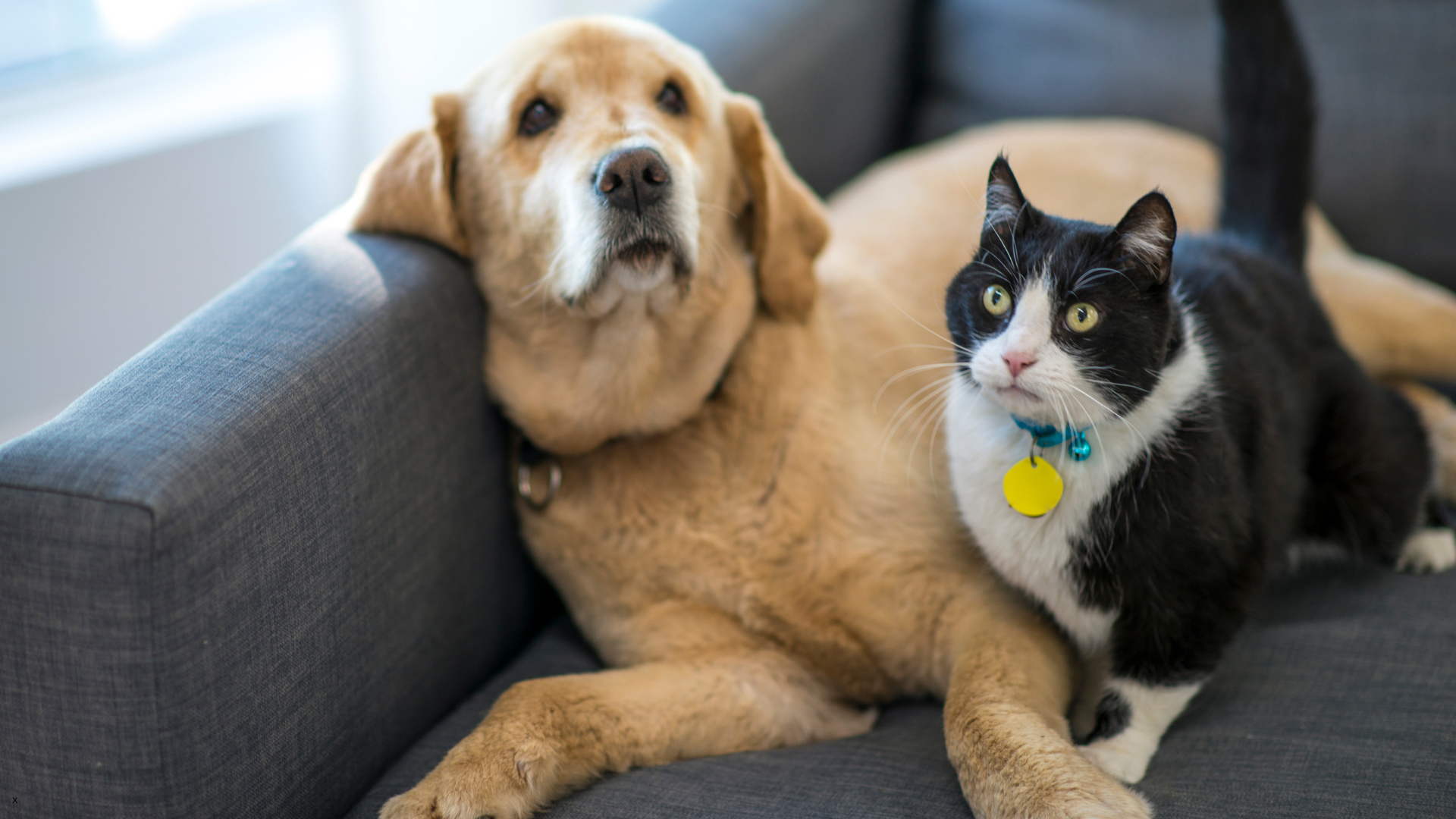
You might not think much about preventive care when your pet seems happy, active, and healthy. That is normal. Most people do not rush to a veterinary hospital when nothing looks wrong, because daily life is busy and pets can seem fine right up until they are not. That is also why many pet owners consider services like spay and neuter in Squamish as part of a responsible long-term care plan. Then something changes. Your dog stops eating. Your cat hides more than usual. A small issue becomes an urgent one, and suddenly you are facing stress, cost, and fear all at once.
That is why preventive care matters so much. It helps catch problems early, lowers the risk of painful illness, and gives you a clearer picture of your pet’s health before a crisis begins. At the heart of preventive veterinary care is something simple but powerful. Regular checkups, vaccines, parasite prevention, dental care, and routine testing can protect your pet and often spare you from harder decisions later.
Why does preventive care in a veterinary hospital matter before anything seems wrong?
It is easy to assume that no symptoms means no problem. But pets are skilled at hiding pain and illness. By the time you notice limpness, weight loss, bad breath, or behavior changes, the issue may already be advanced. Because of this, a veterinary hospital is not just a place for emergencies. It is also where patterns are noticed early, risks are managed, and care plans are built around your pet’s age, breed, and lifestyle.
Think about what can quietly develop over time. Dental disease can lead to pain and infection. Intestinal parasites can affect nutrition and comfort. Heartworm and flea borne illness can create serious health issues. Chronic conditions like diabetes, arthritis, or kidney disease often begin with subtle signs that are easy to miss at home. When your pet is seen regularly, those small clues are less likely to slip by.
So, where does that leave you if your pet looks healthy today? In a stronger position than you may realize. Routine visits support what many people call wellness care for pets, and that care is often what keeps small concerns from turning into emergencies.
What can happen when preventive veterinary care is delayed?
The biggest challenge with delayed care is that the cost is rarely just financial. Yes, treatment for advanced illness is often more expensive, but there is also the emotional strain of watching your pet suffer when earlier care might have eased the problem. There is the disruption to your schedule, the worry of waiting for results, and the weight of making fast decisions under pressure.
Picture a common situation. A dog misses annual exams and parasite prevention because everything seems fine. During summer, exposure increases, and parasites spread more easily. Cornell’s advice on parasite prevention tips for your pet in summer shows how seasonal risks can rise quickly. What starts as itching or stomach upset can become a larger health issue if left unchecked.
Or imagine a cat that has not had routine bloodwork in years. She still eats, still sleeps in her favorite spot, and still greets you at the door. But a regular exam could reveal early kidney changes long before a crisis. That is the quiet value of a veterinary hospital. It creates a record over time, so changes are easier to spot and act on.
There is also a broader care standard to consider. The USDA outlines expectations for a written program of veterinary care and explains updates under its veterinary care rule. While many pet owners will never need to think about regulatory language, the bigger point is clear. Consistent, documented care is the backbone of responsible animal health management.
How does preventive care compare with waiting until your pet is sick?
When you are weighing time and cost, it helps to see the difference side by side. Preventive visits may feel optional in the moment, but they often reduce uncertainty and avoid bigger problems later.
| Approach | What It Usually Includes | Likely Outcome |
|---|---|---|
| Routine preventive care | Physical exams, vaccines, parasite prevention, dental checks, screening tests | Earlier detection, steadier health tracking, fewer avoidable emergencies |
| Care only when symptoms appear | Urgent visit after visible illness or pain begins | Higher chance of advanced disease, more stress, more costly treatment |
| At home monitoring alone | Watching appetite, energy, bathroom habits, and behavior without regular exams | Helpful, but limited because many conditions stay hidden in early stages |
This is one reason veterinary hospital preventive care remains such a strong foundation for lifelong pet health. It is not about doing everything at once. It is about doing the right things at the right time, before trouble grows.
What can you do right now to support your pet’s health?
1. Schedule routine exams before there is a problem.
If your pet has not had a checkup in the past year, start there. Puppies, kittens, senior pets, and animals with chronic conditions may need visits more often. A routine exam gives your care team a baseline and makes future changes easier to catch.
2. Build a simple prevention calendar.
Keep track of vaccines, heartworm prevention, flea and tick control, dental cleanings, and lab work. Set reminders on your phone if that helps. A simple system can prevent missed doses and overdue appointments, especially when life gets crowded.
3. Watch for subtle changes and speak up early.
Do not wait for a problem to become dramatic. Changes in thirst, appetite, breath, weight, mood, mobility, or litter box habits all matter. You know your pet’s normal better than anyone. When something feels off, trust that instinct and call your veterinary hospital.
Why is a veterinary hospital still the best long term partner for pet wellness?
A good veterinary hospital does more than treat illness. It helps you stay ahead of it. That support can bring real peace of mind, especially when you love your pet and want to make wise choices without guessing. Preventive care does not promise a life without health problems, but it does improve the odds of finding issues sooner, treating them faster, and keeping your pet comfortable longer.
If you have been putting off a visit because your pet seems fine, you are not alone. Still, this is a good time to act. Routine care today can spare both of you a harder road tomorrow. Reach out to a trusted veterinary hospital and schedule your pet’s next wellness exam.