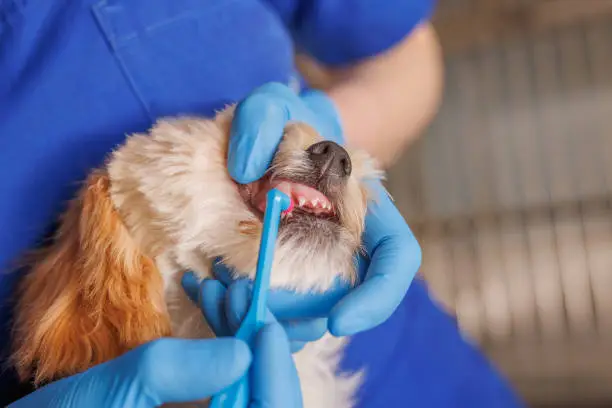
Your pet depends on you for comfort, food, and safety. Your pet also depends on you for clean teeth. Quiet tooth pain can change how your pet eats, sleeps, and behaves. Routine dental cleanings at veterinary hospitals protect your pet from hidden infection and slow damage. You see the fur and the eyes. Your veterinarian sees the gum line, roots, and early decay. Regular cleanings remove hardened plaque that brushing at home cannot touch. They also give your veterinarian a clear view of any cracked teeth or oral growths. Early treatment costs less, protects organs, and supports a longer life. If you worry about anesthesia, cost, or stress, you are not alone. Many owners feel the same fear. A trusted veterinarian in Salmon Arm and Shuswap, BC can explain each step, review blood work, and help you choose safe, realistic care for your pet’s mouth.
Why teeth matter for your pet’s whole body
Dental disease does not stay in the mouth. Bacteria from infected teeth and gums can move into the blood. Then these germs reach the heart, liver, and kidneys. The American Veterinary Medical Association reports that most dogs and cats show signs of dental disease by age three. That means your pet can look fine and still hurt every time it chews.
When you ignore bad breath or red gums, your pet can face three problems.
- Constant pain with eating and grooming
- Higher risk of organ damage from long-term infection
- Shorter life from preventable disease
Clean teeth support clean blood and stronger organs. You protect more than a smile. You protect daily comfort.
Why home brushing is not enough
Brushing at home helps. It slows plaque buildup and keeps the mouth cleaner between visits. Yet home care cannot remove hardened tartar that forms under the gum line. You also cannot see the roots of teeth or tiny pockets that trap germs.
Only a hospital cleaning reaches three places.
- The tooth surface you see
- The space under the gum where bacteria hide
- The roots and bone, checked by dental X-rays
This deeper care stops damage early. It also gives clear answers about loose teeth, broken roots, or hidden abscesses.
What happens during a hospital dental cleaning
A full cleaning is planned and careful. Each step protects your pet and gives you clear facts.
- Pre exam and blood work to check organs and anesthesia risk
- Anesthesia with tailored drugs and close monitoring
- Scaling above and below the gum line to remove tartar
- Polishing to smooth the tooth surface and slow new plaque
- Dental X-rays to see roots and bone health
- Extractions only when teeth are diseased or painful
- Written home care plan and pain control if teeth are removed
The Centers for Disease Control and Prevention reminds owners that animal mouth infections can affect people with weak immune systems. Cleanings lower this risk as well. You protect your home when you protect your pet’s mouth.
Signs your pet may need a dental cleaning
Pets rarely cry from tooth pain. Instead, they change small habits. Watch for three common signs.
- Bad breath that returns soon after brushing or dental treats
- Brown or yellow buildup on teeth, red or bleeding gums
- Dropping food, chewing on one side, or walking away from the bowl
Other clues include pawing at the mouth, a new fear of face touching, or sudden anger. These are not mood changes. These are pain signals.
Hospital dental cleanings vs home care only
Both hospital cleanings and home care help. They work best together. The table below compares the two.
| Feature | Hospital Dental Cleaning | Home Care Only
|
|---|---|---|
| Removes tartar under gums | Yes | No |
| Uses dental X rays | Yes | No |
| Finds hidden root disease | Yes | Rare |
| Controls pain during treatment | Yes with anesthesia | Limited |
| Cost per visit | Higher | Lower |
| Long term health protection | Strong | Weak |
| Best use | Every 1 to 2 years based on exam | Daily support between cleanings |
Common fears about anesthesia and how vets lower risk
Fear of anesthesia is honest. You worry about putting your pet to sleep. You also want clear proof that the risk is necessary. Modern veterinary hospitals use strict safety steps.
- Pre anesthetic exams and blood tests
- Careful choice of drugs based on age and health
- Constant tracking of heart, blood pressure, and oxygen
- Warmth support and close watching during recovery
Untreated dental disease carries its own risk. Ongoing infection strains the heart and kidneys every hour. A planned cleaning with monitoring is usually safer than years of quiet decay.
How often does your pet need a dental cleaning?
There is no single schedule for every pet. Your pet’s needs depend on three things.
- Age and breed
- Diet and chewing habits
- Home brushing routine
Small dogs, flat-faced breeds, and older pets often need cleanings more often. Many pets benefit from a full dental check each year with cleanings as soon as tartar and gum disease appear.
Simple steps you can take today
You can start mouth care now, even before a hospital visit.
- Lift the lips and look at teeth and gums once a week
- Use pet safe toothpaste and a soft brush if your vet agrees
- Offer vet-approved dental chews or diets
- Schedule a dental exam if you see bad breath, stains, or red gums
Your pet cannot ask for relief. You speak by booking that exam, asking hard questions, and choosing care that eases pain. Clean teeth support quiet sleep, steady eating, and a longer shared life.