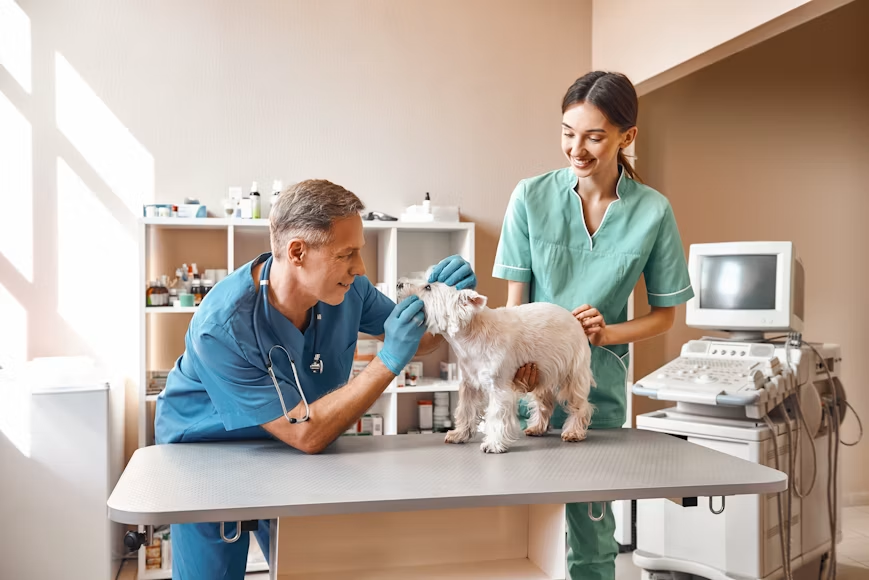
You might be here because something changed with your pet and your stomach dropped. Maybe your dog yelped going up the stairs, or your cat suddenly stopped jumping to their favorite spot on the couch. Your vet mentioned X rays, an ultrasound, or even an MRI, and now you are wondering what all of this really means for your animal, your wallet, and your peace of mind as you look for a veterinarian in Toluca Lake.end
That mix of worry and confusion is very common. You want answers, but you also do not want to put your pet through unnecessary tests. You want to be a good guardian, yet it can feel hard to tell what is truly needed and what is optional. Because of this tension, it helps to understand why diagnostic imaging in animal hospitals has become such a core part of modern veterinary care, and how it can actually reduce guesswork, shorten suffering, and guide smarter decisions.
In simple terms, imaging is how your vet looks inside your pet without surgery. X rays, ultrasound, CT and MRI turn “we think” into “we know” far more often. When you understand what these tools can and cannot do, you are better equipped to ask clear questions, weigh costs, and choose the path that sits right with you and your family.
Why does my vet want imaging when my pet “looks fine” on the outside?
One of the hardest parts of caring for animals is that they hide pain and illness very well. By the time you notice a limp, a cough, or weight loss, the problem may have been building quietly for weeks or months. A physical exam is crucial, yet it only shows part of the story. Organs, bones, and soft tissues can be seriously affected long before you see obvious changes at home.
Imagine a dog who occasionally skips a step with a back leg. On exam, the knee feels mostly normal. Your vet suspects early joint disease or a partial ligament injury, but cannot feel it clearly. Without imaging, you might be sent home with pain medication and rest. The dog seems better for a while, then worsens. Months pass. During that time, cartilage can wear down and a minor injury can progress into advanced arthritis or a full tear that needs surgery.
Now picture the same dog getting X rays that same day. The images show joint changes that match early arthritis. Instead of guessing, your vet can start targeted treatment right away. That might include weight management, joint supplements, controlled exercise, or referral for advanced therapy. The dog gets relief sooner, and you avoid the cycle of “try this, wait, hope, repeat.”
This is the heart of why advanced veterinary imaging matters. It turns vague symptoms into specific information. It can uncover hidden heart disease, internal bleeding, swallowed toys, bladder stones, or even small tumors. With clearer information, you can choose between medical management, surgery, or monitoring, instead of living with constant uncertainty.
What are the main types of imaging in an animal hospital, and when are they used?
Different tools answer different questions. No single test fits every case, which is why your vet may suggest one type of imaging over another. Resources like the American College of Veterinary Radiology’s guide for pet owners explain these options in more depth, and you can explore them at the ACVR pet owner imaging resource.
Here is a simple way to think about the main options for veterinary diagnostic imaging without getting lost in technical language.
| IMAGING TYPE | WHAT IT SHOWS BEST | COMMON USES | TYPICAL CONSIDERATIONS |
|---|---|---|---|
| X ray (radiograph) | Bones, chest, abdomen outline | Broken bones, arthritis, heart size, lung disease, some tumors, swallowed objects | Fast, widely available, usually no anesthesia, often first step |
| Ultrasound | Soft tissues and organs in motion | Liver, kidneys, spleen, intestines, bladder, pregnancy, fluid in abdomen or chest | Non painful, no radiation, may require shaving, often done by trained sonographer or radiologist |
| CT scan | Detailed cross sections of body structures | Head trauma, nasal disease, complex fractures, chest tumors, surgical planning | Usually needs sedation or anesthesia, more cost, often at specialty centers |
| MRI | Brain, spinal cord, some soft tissues | Seizures, paralysis, suspected spinal disc problems, some cancers | Requires anesthesia, higher cost, mainly at referral hospitals |
So where does that leave you when your vet says “We should get some images” and you are thinking about money, time, and your pet’s stress level.
How do the benefits and risks balance out for imaging my pet?
There is always a tradeoff. Imaging can feel expensive in the moment. Yet not having answers can lead to long stretches of trial and error, more visits, and sometimes delayed treatment that costs more in both money and suffering.
For example, a cat with repeated urinary issues might receive antibiotics several times without lasting improvement. Each visit adds up, and the cat stays uncomfortable. An ultrasound or X ray of the bladder can reveal stones or thickening of the bladder wall. With that information, your vet can move from “maybe infection” to a specific diagnosis and treatment plan. That often means fewer relapses, fewer emergency visits, and less pain for your cat.
There are also safety questions. X rays and CT use radiation, though doses are generally low and carefully controlled for animals. MRI uses magnets, not radiation. Ultrasound uses sound waves. Veterinary teams are trained to protect both your pet and the staff, and they follow established guidelines similar to those described in the Merck Veterinary Manual overview of animal imaging.
Another concern is anesthesia. Many pets can have X rays and ultrasound awake or with mild sedation. CT and MRI usually require full anesthesia to keep them completely still. That can be scary to approve. The good news is that modern anesthesia protocols are tailored to your animal’s age, species, and health status, and pre anesthetic blood work and monitoring help lower risk. For many conditions, the risk of not knowing what is wrong is higher than the controlled risk of anesthesia.
If you are feeling torn, it might help to ask your vet very direct questions. What are we hoping to learn from this test. How will the results change treatment. Is there a simpler or cheaper option that could still give meaningful information. Resources like the Merck guide to diagnostic tests and imaging for pets can also help you prepare your questions before the appointment.
Three practical steps you can take before agreeing to imaging
1. Ask what the vet would do if it were their own animal
This simple question often cuts through medical jargon. When your vet explains why they would choose a specific test for their own dog or cat, you get a clearer sense of how important the imaging really is. You can also ask if there are “nice to have” tests versus “strongly recommended” ones, so you can prioritize if money or time is tight.
2. Clarify how the results will change the plan
Before you say yes, ask your vet to walk you through two paths. One where you proceed with imaging, and one where you do not. For example, “If we do the ultrasound and it shows X, what happens. If it shows Y, what happens. If we skip it, what are the risks.” This makes the value of pet imaging services much more concrete, and it helps you feel you are making a choice, not just following orders.
3. Talk openly about costs and staging tests
It is completely fair to say, “I am worried about money. Can we talk about costs and options.” Many animal hospitals can stage diagnostics over time, starting with the most informative and affordable tests first. For example, starting with X rays, then adding ultrasound only if needed. Some clinics also have payment plans or can guide you on using pet insurance benefits. Honest conversation usually leads to a plan that respects both your budget and your pet’s needs.
Finding peace of mind when your pet needs diagnostic imaging
When you hear that your pet needs X rays, an ultrasound, or advanced scans, it can feel like one more heavy thing on top of the worry you already carry. You might be afraid of what the images will show, or afraid of spending money and still not having a clear answer. Those feelings are normal. They mean you care deeply.
The quiet strength of diagnostic imaging in animal hospitals is that it brings hidden problems into the light. It gives you and your vet a shared picture of what is actually happening inside your pet. With that picture, decisions about medicine, surgery, or comfort care become more grounded and less haunted by “what if.”
You do not have to understand every technical detail to make a good choice. You only need to understand enough to ask honest questions, weigh the tradeoffs, and choose the path that fits your values and your animal’s quality of life. With a clear plan, supportive veterinary guidance, and the right use of imaging, you and your pet do not have to face the unknown alone.