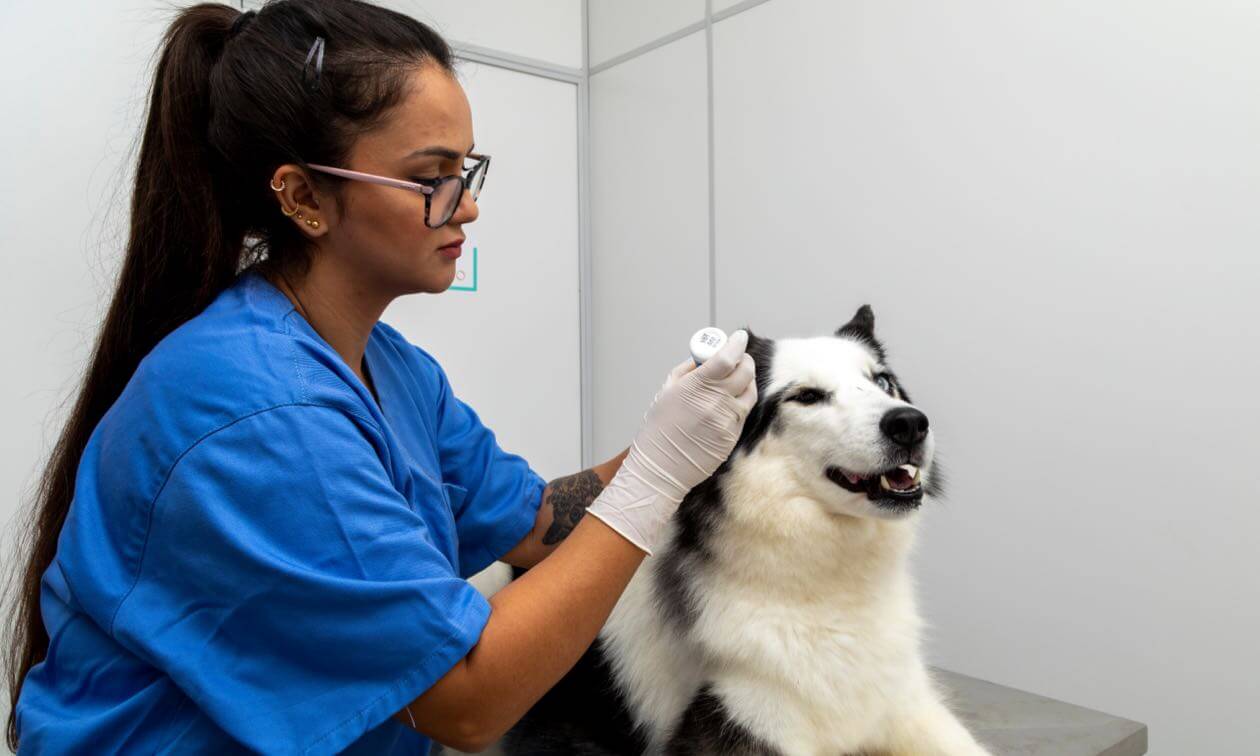
Animal clinics protect more than pets. They protect you, your family, and your community. Every shot, exam, and even cat teeth cleaning in Clearwater lowers the chance that disease will spread from animals to people. You see this when a clinic reports a strange cough in dogs. You see it again when a vet spots a parasite that can move to humans. These early warnings give public health teams time to act. They guide food safety, water safety, and even disaster response. You may not notice this link when you sit in a waiting room with your pet. Yet each clinic visit supports a quiet shield around your town. This blog explains how that shield works, why your pet’s health record matters, and how simple choices at the vet help protect public health every day.
Why Your Pet’s Health Affects Your Health
You share your home, air, and sometimes your bed with your pets. So their health touches yours. Many germs pass between animals and people. These are called zoonotic diseases. Rabies, ringworm, salmonella, and some flu strains are examples.
When your pet is sick, you face three risks.
- You can catch the same germ through bites, scratches, or touch.
- Your child or older parent can face stronger illness.
- Your pet can pass the germ to other animals that then reach more people.
Routine care at an animal clinic breaks this chain. Vaccines, deworming, flea control, and clean teeth all cut the spread of germs. You protect your pet. You also protect your home and neighborhood.
How Animal Clinics Watch For Disease
Animal clinics work like early warning posts. You bring in one pet. Yet the clinic sees patterns across many visits. A spike in coughing dogs. A sudden jump in cats with fever. A rash that appears in many animals from one park.
When clinic staff notice these patterns, they report them to local or state health departments. Public health teams then watch for similar signs in people. This shared work is called “One Health” by the Centers for Disease Control and Prevention.
This link means your pet’s exam is more than a private visit. It is part of a larger safety net.
Common Diseases Shared By Pets And People
Some diseases stay in the news. Others stay quiet. Both matter. The table shows a simple comparison of a few common zoonotic diseases and how animal clinics help block them.
| Disease | Main Animal Source | How People Get It | Clinic Actions That Protect You
|
|---|---|---|---|
| Rabies | Dogs, cats, wildlife | Bites or saliva on broken skin | Rabies vaccines. Bite reporting. Owner education. |
| Ringworm | Cats, dogs, small mammals | Touch of fur, skin, or shared items | Skin exams. Quick treatment. Cleaning guidance. |
| Roundworms and hookworms | Dogs and cats | Contact with contaminated soil or feces | Regular deworming. Fecal tests. Litter box and yard advice. |
| Leptospirosis | Dogs, rodents, livestock | Water or soil with infected urine | Vaccines where needed. Early testing. Reporting to health agencies. |
| Salmonella | Reptiles, poultry, some mammals | Touch of animals or food, then mouth | Pet choice guidance. Hygiene tips. Stool testing when needed. |
These steps keep many outbreaks small or prevent them from starting.
Vaccines And Parasite Control Protect Communities
Vaccines are not only about one pet. When most pets in a community have current shots, disease has fewer paths to spread. This is herd protection. Rabies control is a clear example. Many states require rabies vaccines for dogs and sometimes cats. Clinics give the shots and keep records. Health departments then use those records to trace bites and exposures.
Parasite control works in a similar way. Heartworm, ticks, and fleas can move between pets and sometimes people. When you keep your pet on year round prevention, you reduce the number of carriers in your yard, park, and neighborhood. You may not see that effect. It still protects you and your neighbors.
Safe Food, Safe Water, Safe Air
Animal clinics also support safe food, water, and air in your town. Many veterinarians work with farms, dairies, and shelters. They check herd health. They guide safe use of medicines in animals that enter the food chain. They advise on waste handling so manure and run off do not pollute streams.
Public health agencies such as the United States Department of Agriculture track animal disease reports to protect the food supply.
These efforts lower the risk that dangerous germs enter meat, milk, or eggs. They also protect drinking water from animal waste.
Disaster Response And Community Safety
During storms, fires, or floods, animal clinics become anchors for both pets and people. Staff help with emergency boarding. They give quick treatment to injured animals. They share information about lost pets. This work reduces fear and chaos.
At the same time, clinics help control disease in shelters and crowded spaces. They watch for coughing, vomiting, or diarrhea that could spread fast. They work with public health teams to separate sick animals, clean spaces, and calm worried owners. This keeps a stressful event from turning into a health crisis.
How Your Choices At The Clinic Protect Others
Your actions during each visit matter. You support public health when you take three simple steps.
- Keep vaccines, parasite prevention, and exams current.
- Share full travel and illness history with the vet.
- Follow cleaning and medication instructions at home.
You also help when you ask questions. Ask how to handle bites or scratches. Ask how to clean after an accident on the floor. Ask what signs mean your pet might carry something that can spread. Clear steps lower fear and protect everyone in your home.
Building A Healthier Community Through Pet Care
Every time you walk through the clinic door, you take part in a quiet public health effort. You do not need special training. You only need steady care for your pet. Regular visits, honest conversations, and quick response to strange signs all help.
You keep your pet healthy. You guard children who play on your floor. You shield older adults whose bodies may not fight infection well. You support doctors and nurses who depend on early warnings from animal clinics.
Your choices at the vet shape the health of your home and your community. Treat each visit as care for your pet and as care for everyone around you.