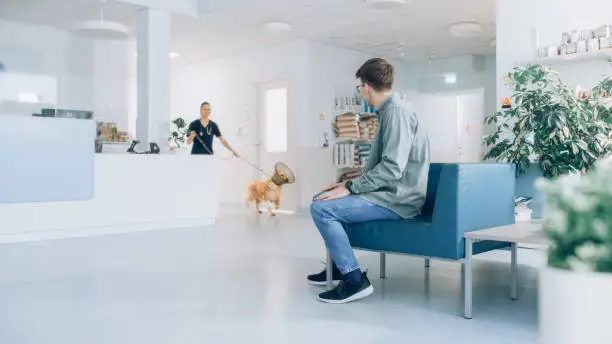
A visit to the vet can shake a pet. Strange smells. New faces. Cold tables. Your pet feels every change. You feel it too. Many clinics now design calmer spaces that protect both of you from that shock. They use quiet rooms, gentle handling, and simple routines that lower fear from the first step inside. A Bayview Village veterinarian may dim lights, slow movements, and let your pet explore the room before any exam. Staff speak softly and move with care. They watch your pet’s body language and adjust right away. They give you clear steps so you know what will happen next. These choices turn a hard visit into something your pet can handle. You gain trust. Your pet gains a sense of safety. Clinics that focus on stress free care protect health, behavior, and the bond you share.
Why stress at the vet matters
Stress does more than cause shaking or hiding. It can change heart rate, breathing, and pain. It can hide signs of illness. It can also stay in your pet’s memory and grow with each visit.
Research from the National Institutes of Health shows that fear and stress in dogs and cats can raise blood pressure and change lab results. This can confuse tests. It can lead to missed problems or wrong alarms.
Stress can also harm behavior at home. A scared pet may snap, scratch, or avoid the carrier. You may start to delay visits. Care then comes late. Simple problems turn into hard ones.
How clinics reduce fear from the first step
Many clinics now plan the visit from your pet’s point of view. They remove sudden shocks and give clear signals of safety. You often see three early steps.
- Quiet waiting spaces
- Soft sound and light
- Gentle paths from door to exam room
Some clinics have separate waiting areas for cats and dogs. Some ask you to wait in your car until a room is free. This cuts contact with other pets that may bark or hiss.
Floors use non-slip surfaces. Staff avoid loud carts. Phones stay on low volume. These small choices tell your pet that nothing will jump or crash nearby.
Design choices that calm pets
Room design shapes how safe your pet feels. Many clinics now use simple, repeatable features that reduce fear.
| Clinic feature | What your pet experiences | How this reduces stress
|
|---|---|---|
| Separate cat and dog spaces | Fewer loud barks or close contact | Lowers fear from other species |
| Dim, steady lighting | No harsh glare or flicker | Reduces startle and eye strain |
| Soft, non slip surfaces | Secure footing on tables and floors | Prevents sliding that triggers panic |
| Noise control and quiet rooms | Less echo, fewer sudden sounds | Supports calm breathing and posture |
| Species specific scents | Soothing pheromone sprays or wipes | Signals safety through smell |
You can ask your clinic which of these features they use. This simple talk shows them that stress-free care matters to you and your family.
Gentle handling and low fear exams
Even the best room still needs calm hands. Many clinics now follow low fear handling methods. They focus on three actions.
- Go slow and steady
- Use the least force needed
- Stop and adjust when stress rises
Staff may examine your dog on the floor instead of a table. They may let your cat stay in the bottom of the carrier and lift off the top. They may use towels to wrap and support instead of firm holds.
Treats, toys, and gentle touch help your pet link the exam with something good. Some clinics suggest that you bring your pet hungry so food rewards have more meaning.
The American Veterinary Medical Association explains that gentle handling can protect both animals and people from bites and scratches.
Medication and calming aids when needed
Some pets carry deep fear from past harm or poor socialization when young. For these pets, kind design and handling may not be enough at first. In those cases, your vet may suggest extra support.
- Short term calming medicine before visits
- Pheromone sprays for carriers or leashes
- Longer behavior plans with training partners
These tools are not a sign of failure. They show respect for your pet’s limits. They give the brain space to learn that the clinic is safe.
How you can help your pet before the visit
Your actions at home shape how your pet feels at the clinic. You can start with three simple habits.
- Practice short, fun “mock visits” with handling at home
- Keep carriers out all the time with soft bedding and treats
- Take calm car rides that do not end at the clinic
Touch paws, ears, and mouth while you give treats. Keep sessions short. Stop before your pet pulls away. This builds trust in your hands.
Leave the carrier open in a quiet corner. Drop treats inside. Feed some meals in it. Your pet learns that the carrier is a safe den, not a trap.
Questions to ask your veterinary clinic
You have the right to ask how a clinic reduces fear. Simple questions can guide your choice.
- Do you have separate waiting spaces for cats and dogs
- Can my pet wait in the car until a room is ready
- What steps do you take to reduce stress during exams and blood draws
- Can I stay with my pet for most procedures
- Do you offer pre-visit medicine for very anxious pets
Listen to the answers. Clear, calm plans show respect for your pet’s comfort as well as health.
Stronger health through lower stress
When the clinic feels safe, your pet comes in sooner and more often. That means earlier checks and simpler treatments. It also means better recovery, fewer behavior problems, and more peace at home.
Stress-free care is not a luxury. It is part of sound medicine. Each quiet room, gentle hand, and clear plan protects your pet’s body and mind. It also protects the trust you share every day.