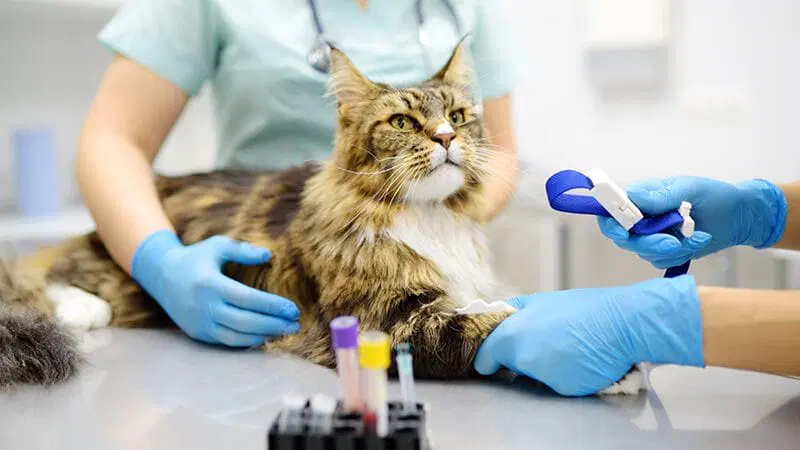
Chronic pet conditions wear you down. They drain your time, money, and energy. They also leave you worried every day. You may already work with a trusted veterinarian in Augusta, Maine, yet still feel alone when symptoms flare at night, on weekends, or during holidays. Urgent care centers step in during these tense gaps. They handle sudden breathing trouble, pain spikes, or stomach issues that come with long term disease. They help you avoid long waits and hard choices in the middle of a crisis. They also share records and treatment notes with your regular clinic, so your pet’s care stays steady. This support gives you faster answers, clear next steps, and fewer frantic drives to distant hospitals. Most of all, it gives your pet comfort when it counts.
What “Chronic” Means For Your Pet
Chronic conditions last for months or years. They do not go away with one visit. Common examples include:
- Arthritis and joint pain
- Diabetes
- Kidney disease
- Heart disease
- Allergies and skin problems
- Seizure disorders
- Thyroid disease
- Asthma or long term breathing trouble
These problems often stay stable for a while. Then something changes. Your pet stops eating. Breathing gets harder. Pain flares and your pet cries out. You know it cannot wait. Yet your regular clinic may be closed or fully booked.
How Urgent Care Fits With Your Regular Vet
Think of your regular vet as your pet’s main doctor. You go there for checkups, tests, and long term plans. You go there for vaccines and refill visits. Urgent care fills the gap when something sudden happens and you cannot reach that team.
Urgent care staff do not replace your regular vet. They support that plan. They focus on fast relief and safety.
- They check if the flare is life threatening.
- They treat pain, vomiting, diarrhea, or breathing distress.
- They give fluids, medicine, and basic tests.
- They send notes and lab results back to your regular clinic.
This link between clinics matters. It keeps care steady. It lowers the risk of mixed messages or unsafe drug mixes.
When To Use Urgent Care For A Chronic Condition
You know your pet better than anyone. Still, it helps to watch for clear warning signs. Use urgent care when you see:
- Sudden trouble breathing or fast breathing at rest
- Collapse, fainting, or sudden weakness
- New or longer seizures
- Refusal to eat or drink for a full day
- Repeated vomiting or diarrhea
- Swollen belly or hard belly
- Crying, growling, or hiding from touch
- Excess thirst or urination in a known diabetic pet
If you are unsure, call. Many urgent care centers can tell you by phone if you should come in or call a 24 hour emergency hospital instead.
Urgent Care Versus Emergency Hospitals
You may feel torn between urgent care and a full emergency hospital. The choice often depends on how sick your pet looks and what services you need. The table below shows simple differences.
| Feature | Urgent Care Center | Emergency Hospital
|
|---|---|---|
| Typical hours | Extended hours. Evenings and weekends | Open 24 hours every day |
| Best use | Flares of known chronic problems. Non life threatening urgent issues | Life threatening trauma, collapse, severe breathing failure |
| Wait times | Often shorter | Often longer due to critical cases |
| Typical cost | Lower than emergency hospitals | Higher due to full team and overnight care |
| Services | Exam, basic lab tests, x rays, fluids, pain control | Full ICU, surgery, advanced imaging, blood bank |
| Follow up | Short term care with handoff to your regular vet | Short or longer stays with later handoff |
The American Veterinary Medical Association gives clear signs for true emergencies. If your pet shows those signs, go to an emergency hospital right away.
What Happens During An Urgent Care Visit
Urgent care visits move fast. You can expect three main steps.
1. Triage And History
Staff first check breathing, heart rate, and level of alertness. They ask about your pet’s chronic diagnosis, current drugs, and last flare. They also ask when you last saw your regular vet.
2. Exam And Tests
The clinician then checks your pet from nose to tail. They focus on the organ system linked to the chronic problem. For example, for a heart patient they listen to the chest and check gum color. For a diabetic pet they may run blood sugar tests.
Common tests include:
- Blood sugar checks
- Basic blood work
- Urine tests
- X rays
- Simple ultrasound checks
3. Treatment And Plan
Next you get a clear plan. It often includes:
- Fast relief such as pain drugs, anti nausea drugs, or fluids
- Short term changes to chronic drugs
- Diet changes for the next day or week
- Signs that mean you must go to an emergency hospital
- Instructions to see your regular vet within a set time
Centers use medical records to share this plan. Many use systems that your regular clinic can open right away. The United States Department of Agriculture explains why shared records protect animal health and public health.
How To Prepare Before A Flare
Preparation lowers fear. You can take steps now while your pet is stable.
- Keep a written list of all drugs and doses.
- Store your regular vet’s name, phone, and address in your phone.
- Find the nearest urgent care and emergency hospital and save both routes.
- Keep copies of recent lab work and x ray reports if possible.
- Set aside a small fund or pet insurance details for sudden care.
- Create a calm travel kit with a carrier, leash, towel, and clean baggies.
These steps may seem small. They protect you during those hard late night moments when your hands shake and your mind races.
Emotional Strain And Family Support
Chronic pet illness weighs on your whole home. Children may feel scared when they see a pet in pain. Older adults may fear loss. Urgent care visits can bring up grief and guilt.
You can help your family by:
- Using simple words to explain what is happening
- Letting children draw or write about the pet
- Sharing clear updates after each visit
- Asking the clinic for written instructions so you do not rely on memory
Steady routine also helps your pet feel safe. Keep feeding, walks, and quiet time as close to normal as the plan allows.
Using Urgent Care As One Part Of Steady Care
Chronic conditions turn life into a long stretch of small choices. Urgent care centers give you one more strong tool. They step in when flares strike. They offer quick checks, clear relief, and close contact with your regular vet.
When you know where to go and what to expect, you protect your pet from slow, hidden harm. You also protect your own heart from the shock of sudden crisis. That calm, steady link between routine visits, urgent care, and emergency care gives your pet the best chance for comfort and time with you.