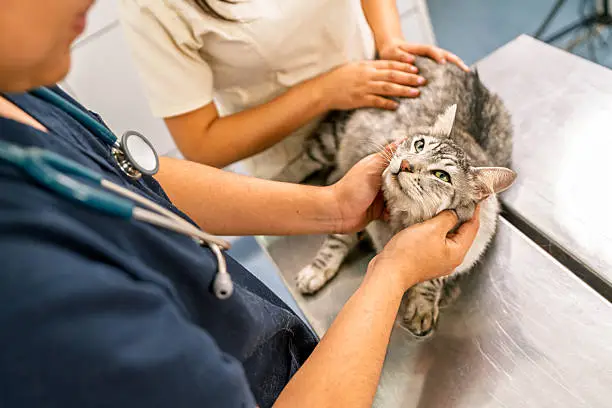
You know the feeling. Your pet skips a meal, starts limping, or seems quieter than usual, and your mind goes straight to worst case scenarios. Pets cannot explain what hurts, and that uncertainty can make even a small change feel heavy. Most people do not need every service at once, but they do need to know what a modern animal hospital in Lake Charles actually does, when each service matters, and how to tell routine care from something more urgent.
The good news is that today’s animal hospitals offer far more than emergency help. A strong animal hospital supports your pet through prevention, diagnosis, treatment, recovery, and long term health management. That means regular wellness visits, vaccines, surgery, dental care, and in house testing often happen under one roof, which saves time and reduces stress when you are already worried.
Wellness exams and preventive care catch problems early
Many pet owners wait until something looks wrong. That is understandable, especially when life is busy and your dog or cat still seems mostly normal. The hard part is that many illnesses do not show clear signs at first. Weight changes, dental disease, arthritis, heart issues, and early kidney trouble can build quietly for months.
Annual or twice yearly wellness visits give your veterinarian a baseline. They check weight, heart and lung sounds, joints, skin, eyes, ears, and overall body condition. They also talk with you about behavior, diet, parasite prevention, and age related changes. The annual wellness exam services described by the University of Georgia show how much can be covered in one routine visit.
This is one of the most valuable pet hospital services because it often reduces bigger costs later. A mild ear infection is easier to treat than a ruptured eardrum. A small weight gain is easier to manage than diabetes.
Vaccinations and parasite prevention protect pets and people
Prevention is not just about your pet. Some diseases and parasites affect people too, especially children, older adults, and anyone with a weaker immune system. Rabies, intestinal parasites, fleas, and ticks all carry risks that go beyond itching or a missed booster.
Modern animal hospitals build vaccine schedules around age, lifestyle, travel, and exposure. An indoor cat has different risks than a dog that hikes, boards, or visits dog parks. Parasite prevention is handled the same way. Your vet helps you choose products that fit your pet’s size, health, and routine instead of guessing from a store shelf.
The CDC’s healthy pets guidance is a useful reminder that routine veterinary care plays a direct role in household health. When an animal hospital keeps vaccines current and parasites under control, it protects the whole home.
Diagnostic testing gives faster answers when symptoms are vague
Some of the hardest appointments start with symptoms that could mean almost anything. Vomiting can be a simple stomach upset, or it can point to a blockage, pancreatitis, toxin exposure, or an infection. Drinking more water can be heat related, or it can signal kidney disease, diabetes, or hormone disorders.
This is where modern diagnostics matter. Many animal hospitals now offer bloodwork, urinalysis, fecal testing, digital X rays, ultrasound, and other imaging tools in house or through quick referral networks. Faster testing means fewer days of guessing and fewer situations where a treatable problem gets worse while you wait.
The small animal services offered through Virginia Tech reflect how broad diagnostic and specialty support can be. Even if your local clinic is smaller, many hospitals now follow a similar model by combining general care with advanced testing access.
Surgery and emergency care handle the moments that cannot wait
Some visits are planned. Many are not. A pet swallows a toy, tears a nail to the quick, gets hit by a car, struggles to breathe, or wakes up unable to stand on one leg. In those moments, access to surgery and urgent care is not a luxury. It is the difference between delay and action.
Modern animal hospitals often provide spay and neuter procedures, mass removals, wound repair, soft tissue surgery, and some orthopedic care. They also stabilize emergencies before referral if a specialist is needed. Good surgical care includes pain management, anesthesia monitoring, pre operative testing, and clear discharge instructions, not just the procedure itself.
This is one reason people search for modern veterinary hospital services instead of just a basic clinic. The wider the service range, the fewer handoffs you face when your pet needs help quickly.
Dental care improves comfort, appetite, and long term health
Dental disease is easy to miss because pets keep eating long after their mouths start hurting. Bad breath gets brushed off. Slower chewing seems like age. Dropping food looks quirky until you realize your pet has inflamed gums, loose teeth, or infection below the gumline.
Animal hospitals handle oral exams, dental cleanings, dental X rays, and extractions when needed. That care does more than freshen breath. It reduces pain, helps pets eat normally, and lowers the burden of chronic infection on the body. For older pets especially, dental care can change day to day quality of life in a way owners notice almost immediately.
Routine care and delayed care lead to very different outcomes
| Service | Handled Early | Handled Late |
|---|---|---|
| Wellness exam | Tracks subtle changes before they become serious | Problems may only be found after symptoms are obvious |
| Vaccines and parasite control | Reduces preventable disease and household exposure risks | Higher chance of illness, outbreaks, and more costly treatment |
| Diagnostic testing | Faster answers and more targeted treatment | More guesswork, longer discomfort, possible progression of disease |
| Surgery or urgent intervention | Better odds of stabilization and recovery | Complications can increase quickly in emergencies |
| Dental care | Pain relief and prevention of deeper infection | Tooth loss, chronic pain, and reduced appetite |
Small steps now make veterinary decisions easier later
Schedule a baseline visit. If your pet has not had an exam in the last year, book one. Bring a short list of changes you have noticed, even if they seem minor. Appetite, thirst, sleep, mobility, and bathroom habits tell your vet a lot.
Ask what services are available in house. Not every hospital offers the same level of diagnostics, surgery, or dental care. Knowing this before a crisis helps you avoid scrambling when time matters.
Build a prevention plan you can actually maintain. Choose vaccine timing, parasite prevention, dental checks, and follow up testing that fit your budget and routine. A realistic plan done consistently helps more than an ideal plan that falls apart after one month.
Your pet depends on you to notice when something is off, and that responsibility can feel like a lot. You do not need to predict every problem. You just need a hospital that can guide you through routine care, urgent issues, and the gray areas in between. If your pet is due for a checkup or you have noticed a change you cannot ignore, contact a local animal hospital and schedule an appointment.