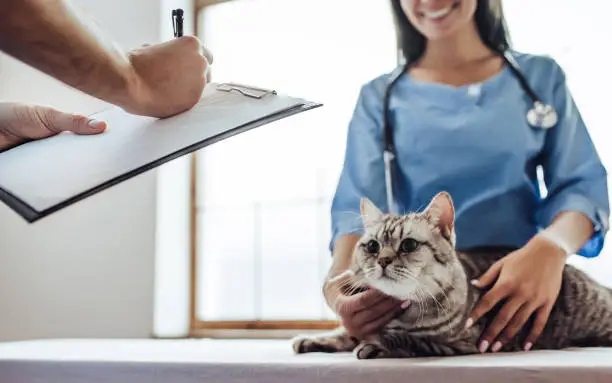
 Annual wellness exams protect your pet before problems grow. You bring your pet in for vaccines or sudden sickness. You may skip yearly checkups when your pet seems fine. That quiet choice can cost health, money, and peace of mind. During an annual exam, the veterinarian checks your pet from nose to tail. The team looks for small changes in weight, teeth, eyes, skin, and movement. They listen to the heart and lungs. They run simple tests that reveal hidden disease early. Early care often means shorter treatment, lower bills, and less pain for your pet. Regular visits also build a record of your pet’s normal health. That record helps your veterinarian spot trouble fast. If you use an animal clinic in Dallas or any other city, yearly exams give your pet a stronger chance at a longer, steadier life.
1. Early detection of hidden disease
Your pet often hides pain and sickness. You may not see the first signs. An annual exam helps catch disease before it causes deep harm.
During a wellness visit, the veterinarian may:
- Check eyes, ears, mouth, skin, and joints
- Listen to the heart and lungs
- Run blood and urine tests
These checks can reveal kidney disease, liver disease, heart disease, diabetes, and infection. The U.S. Food and Drug Administration explains that early care lets treatment start before damage grows. You then gain time, choice, and control.
2. Lower long-term costs
Yearly exams cost money. Skipped exams can cost much more. Small problems grow into crises. Emergency care, surgery, and long hospital stays drain savings and add stress.
Routine visits help in three clear ways.
- They catch the disease early when treatment often costs less.
- They prevent some diseases with vaccines and parasite control.
- They slow the chronic disease, so your pet needs fewer urgent visits.
The chart below shows a simple comparison. Exact costs vary by clinic and city, but the pattern stays firm.
| Type of care | Example services | Typical pattern of cost over time
|
|---|---|---|
| Annual wellness exam | Exam, vaccines, basic tests | Smaller, steady cost each year |
| Delayed care | Emergency visit, advanced tests | Low cost at first, then sudden large bills |
| Chronic disease caught early | Medication, diet change, checks | Moderate, planned cost that stays more stable |
| Chronic disease caught late | Intensive treatment, hospital care | High, unpredictable cost with added risk |
Steady care does not remove every hard moment. It does reduce surprise and panic. You protect both your pet and your budget.
3. Stronger protection through vaccines and parasite control
Annual exams keep vaccines and parasite control on track. Your pet faces risk from heartworms, fleas, ticks, and intestinal worms. These can cause pain, blood loss, and organ damage. Some spread to people and hit children hard.
During a wellness visit, the team can:
- Review which vaccines your pet needs based on age and lifestyle
- Test for heartworms and other parasites
- Set a simple plan for monthly preventives
The Centers for Disease Control and Prevention stresses that healthy pets protect family health. You guard your home when you keep your pet on steady prevention. You also avoid the fear that comes with severe infection.
4. Better weight, nutrition, and behavior control
Weight gain creeps up. Joints start to ache. Energy drops. Many pets in the United States carry extra weight. That strain raises the risk of arthritis, diabetes, and heart trouble.
During the exam, the veterinarian can:
- Check body weight and body shape
- Ask about your pet’s food, treats, and activity
- Give clear feeding and exercise guidance
You also can raise behavior concerns. You may notice biting, hiding, house soiling, or restlessness. These patterns often link to pain, fear, or sickness. Early talk can prevent bites, property damage, and family conflict. It also improves daily life for your pet.
5. A trusted partnership with your veterinary team
Annual wellness exams build a steady bond between you, your pet, and the clinic staff. The team learns how your pet acts when healthy. They then notice fast when something feels off.
Regular visits give you:
- A safe place to ask hard questions
- Clear steps for home care and follow-up
- Support when you face hard choices about treatment
That partnership reduces fear during illness. You do not face sudden news alone. You already know who to call and what to expect. Trust grows with each calm visit, not during a rush to an emergency room.
How often should your pet get a wellness exam
Most healthy adult pets need a wellness exam once a year. Puppies, kittens, and senior pets often need visits more often. Age, breed, and medical history guide the schedule.
Use three simple steps.
- Ask your veterinarian for a written wellness plan.
- Book the next visit before you leave the clinic.
- Mark reminders on your calendar or phone.
Routine care feels simple. Yet it protects your pet’s body, your heart, and your wallet. Annual wellness exams give you early answers, fewer emergencies, and steadier days with the animal you love.