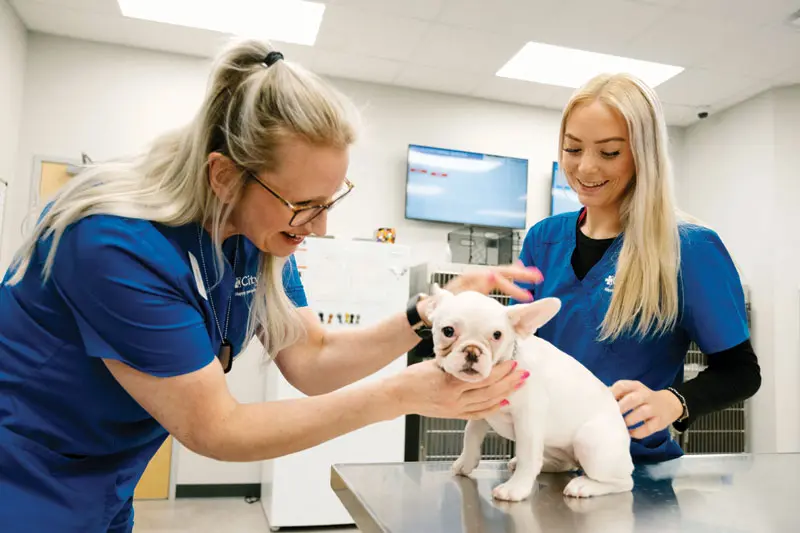
When your pet needs more than a routine checkup, you want a team that works together without delay. Veterinary hospitals now join with specialists in ways that give your pet faster answers, safer treatment, and closer watch. You may see this when your regular vet shares test results with a cardiologist, or when surgeons, eye doctors, and cancer experts review a case as one group. You may also feel it when your pet needs overnight care in Sumter and your local clinic coordinates every step with an emergency specialist. This kind of teamwork reduces guesswork. It also cuts down on repeat visits and missed signs of trouble. You stay with the vet you trust. Your pet gains a full support team that focuses on clear plans, careful follow up, and honest updates.
1. Shared records and test results
Modern veterinary teams rely on clear records. That is how your primary vet and a specialist stay in sync.
Here is what usually moves between them:
- Exam notes and history
- Blood tests and lab reports
- X rays, ultrasound clips, and CT images
- Medication lists and allergies
First, your vet gathers the core facts. Then the clinic sends those records to the specialist before your visit. This prevents repeat tests. It also protects your pet from extra stress.
The specialist can review images and lab work in advance. That way, the visit stays focused on decisions, not on backtracking. You get one clear story instead of mixed messages.
You can read how medical teams share records in human care through the U.S. Office of the National Coordinator for Health IT at Health Information Exchange Basics. Veterinary teams use similar methods to keep your pet safe.
2. Joint treatment plans
Complex problems need a shared plan. Your vet knows your pet and your home life. The specialist knows narrow treatment options. Together, they shape a plan that you can follow.
Usually, this plan covers three parts:
- Diagnosis and needed tests
- Treatment steps and timing
- Home care and follow up visits
Your primary vet often remains the main contact. The specialist advises on surgery, heart drugs, cancer treatment, or eye care. Then your vet explains each step in plain words and checks how your pet responds.
This paired approach helps you weigh risk, cost, and comfort. You do not stand alone in front of hard choices. The two doctors speak with each other, then guide you with one shared plan.
3. Coordinated hospital, emergency, and overnight care
Emergencies feel harsh. In those moments, strong links between your vet and emergency teams matter.
When your pet needs urgent help, your vet can:
- Call ahead to the emergency hospital
- Send records and recent test results
- Share current medications and doses
Later, when your pet returns to your regular clinic, the emergency team sends a full summary. It covers what happened, what treatment was given, and what to watch at home.
Here is a simple comparison of how care looks with and without this kind of teamwork.
| Care step | Without collaboration | With collaboration
|
|---|---|---|
| Sharing records | You repeat history. Tests may be done again. | Records move ahead of time. Tests are not repeated. |
| Emergency visit | Staff know little about your pet on arrival. | Team knows diagnosis, drugs, and past issues. |
| Overnight stay | You get updates that feel unclear or rushed. | Updates match what your primary vet explained. |
| Follow up | Plans change from one visit to the next. | One plan guides all clinics that see your pet. |
This kind of setup protects your pet when you feel tired and scared. It also reduces harmful drug mix ups and treatment gaps.
4. Ongoing communication and follow-up
True teamwork continues after the first crisis passes. Your vet and the specialist need to track progress and adjust the plan.
They often use three main tools:
- Phone calls or secure messages between doctors
- Shared follow up schedules
- Clear written instructions for your home care
You might bring your pet back to your primary clinic for blood checks or bandage changes. The clinic then sends the results to the specialist. If numbers change, the specialist can update the plan without a new trip across town.
This kind of loop helps catch trouble early. It also shows you that every visit counts toward the same goal. Your pet does not fall through the cracks between offices.
You can see how follow-up and long-term care protect health in work by the U.S. Centers for Disease Control and Prevention at Chronic Disease Prevention. That same steady, stepwise care pattern supports pets living with heart disease, diabetes, or cancer.
How you can support this teamwork
You play a direct role in how well your pet’s care team works together. You can:
- Keep copies of key records and test results
- Bring current medication bottles to every visit
- Write down questions and symptoms before you arrive
- Ask who will share updates between clinics
- Request clear written home care steps
First, tell each doctor who else is involved in your pet’s care. Then give permission for them to share records. Finally, speak up if something does not match what you heard before. Your concern can uncover a gap in the chain.
Closing thoughts
Your pet’s health should not rest on one person alone. When veterinary hospitals and specialists work as one team, your pet gains stronger support. You gain clearer choices. You also gain a sense of steady control during rough times. That shared effort can turn fear into relief, one careful step at a time.