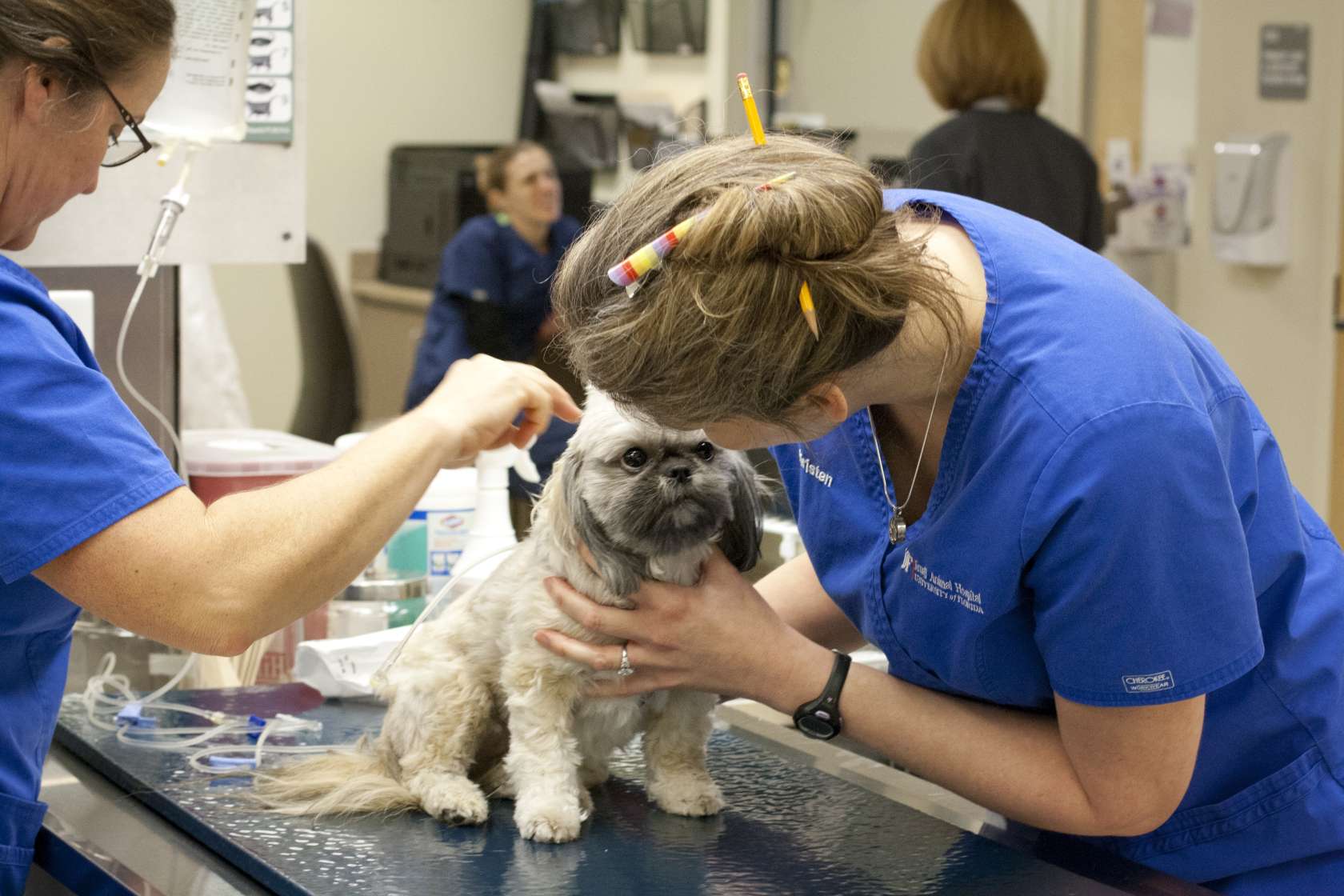
Emergency preparedness in animal hospitals is crucial. You want your pets to receive prompt care, especially in unexpected situations. Being prepared not only saves time but also ensures the safety of pets and staff. When you visit a downtown Hamilton veterinarian, you want to know they have a plan. Emergencies can be overwhelming, but preparation makes a difference. This blog explores four key benefits of having an emergency plan in place. First, it ensures quick response times. Second, it enhances staff efficiency. Third, it reduces stress for both pet owners and pets. Finally, it builds trust with clients. By understanding these benefits, you can make informed decisions about your pet’s care. Your peace of mind matters, and knowing your veterinarian is ready for emergencies provides that reassurance. Keep reading to discover how these benefits impact your choices and the well-being of your beloved companions.
Quick Response Times
In emergencies, time is everything. Preparedness allows veterinary staff to act fast. With clear protocols, your pets receive necessary care without delay. This rapid response is vital in critical situations. It can make the difference between life and death for your pet. Training and practice ensure that every team member knows their role, saving precious minutes when they count most. For further information on emergency protocols, you can visit the Federal Emergency Management Agency.
Enhanced Staff Efficiency
When protocols are in place, staff work together smoothly. Each team member understands their tasks, reducing confusion and ensuring seamless care. Efficiency during emergencies prevents mistakes. It also ensures that resources are used wisely. This level of organization means each pet gets the attention needed. Staff are less flustered, leading to better decisions and outcomes. Efficient operations support a calm environment, helping stressed pets feel more at ease.
Stress Reduction for Pet Owners and Pets
Emergencies are stressful for you and your pets. Knowing your animal hospital is prepared helps ease your worries. You can focus on supporting your pet rather than panicking. Preparedness leads to a calm environment, which is crucial for your pet’s comfort. Stress affects animals’ health, so reducing it supports recovery. Familiar faces and routines help animals feel safe. A prepared hospital provides a reassuring setting in uncertain times.
Building Trust with Clients
Trust is key in the veterinarian-client relationship. When an animal hospital demonstrates readiness, it shows commitment to care. Clients feel confident knowing their pets are in capable hands. Trust is built through consistent experiences and transparency. An emergency plan reflects a clinic’s dedication to high standards. This trust extends beyond emergencies, fostering long-term relationships. Satisfied clients are more likely to return and recommend the hospital to others. For more insights on improving veterinary services, the American Veterinary Medical Association provides valuable resources.
Comparison: Prepared vs. Unprepared Animal Hospitals
| Feature | Prepared Hospital | Unprepared Hospital |
|---|---|---|
| Response Time | Immediate | Delayed |
| Staff Coordination | Efficient | Disorganized |
| Client Trust | High | Low |
| Stress Levels | Managed | High |
In conclusion, emergency preparedness in animal hospitals is essential. The benefits are clear. Quick responses, staff efficiency, stress reduction, and client trust are all crucial. As a pet owner, choosing a prepared animal hospital means choosing security and quality care for your pets. Knowing that your veterinarian has a solid plan is comforting. It ensures that your beloved animals receive the best possible care when it matters most.