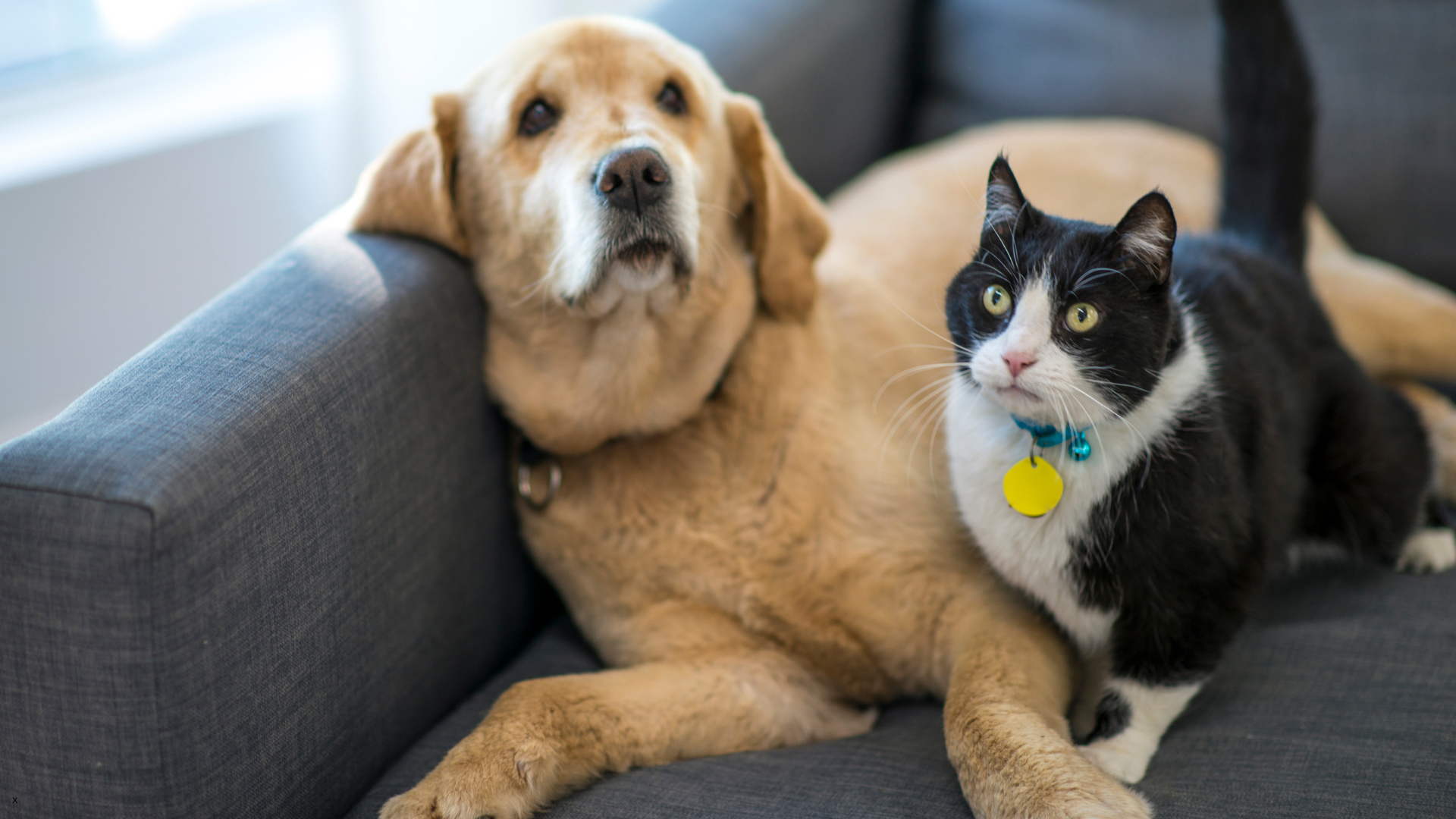
You might be noticing little changes in your older pet and wondering what they really mean. Your cat does not jump up to the window as quickly as before. Your dog seems stiff when getting up, or sleeps a bit deeper than usual. Part of you says, “They are just getting older.” Another part of you worries, “What if I am missing something important.” When you feel unsure, a compassionate vet team in Jackson County can help you understand what your pet is going through and what to do next.
This is where a trusted cat and dog animal hospital can become a real partner, not just a place you visit when something is wrong. Senior pet care is about catching problems early, easing discomfort, and keeping your companion comfortable and engaged for as long as possible. In simple terms, regular senior care at a cat and dog hospital for senior wellness can help your pet live better, not just longer.
So what will you find when you look for support for your aging cat or dog. You will usually see three main pillars. Careful senior checkups that go deeper than “routine” exams. Thoughtful pain and mobility support. Nutrition and lifestyle guidance tailored to older bodies and minds. Together, these help you understand what is normal aging and what needs attention, so you are not left guessing.
Why does senior pet wellness feel so confusing and emotional?
The hardest part is that aging is gradual. You rarely wake up one day with a “senior” pet. Instead, your dog slows down on walks, or your cat drinks a little more water than before, and you start asking yourself if this is just age or something more serious like arthritis, kidney disease, or early cognitive changes.
Because of this slow shift, it can be tempting to wait and see. Maybe you are worried about cost. Maybe you are afraid that an exam will bring bad news. Or you might feel guilty for not noticing changes sooner. All of these feelings are common. You care deeply, and that concern can feel heavy.
Now add the practical worries. What if my pet needs expensive tests. How will I know when they are in pain if they do not cry out. How do I balance quality of life with treatment. These questions are not just medical. They are emotional and financial too.
So where does a trusted senior pet wellness program at a cat and dog animal hospital fit in. It gives you information, structure, and support, so you are not making decisions in the dark or only reacting in emergencies.
1. How do senior wellness exams help you catch problems early?
Senior pets often “hide” illness. Cats are especially skilled at this. Dogs may simply move less or seem “lazy,” when in reality they are uncomfortable. A good hospital will adjust the exam schedule and depth once your pet reaches their senior years.
For example, many veterinarians recommend senior wellness visits every 6 months instead of once a year. During these visits, they usually suggest bloodwork, urine testing, and a thorough physical exam tailored to common age related issues. The University of Georgia Pet Health Center outlines how these senior wellness panels can reveal early kidney disease, liver changes, thyroid problems, or diabetes before obvious symptoms show up.
Imagine two different older dogs. One comes in yearly with no lab tests. By the time weight loss and vomiting start, kidney disease is already advanced, and options are limited. The other has routine senior bloodwork that shows early changes. The care team adjusts diet and fluids and monitors closely. That second dog often enjoys more good years with fewer crises.
The same is true for cats. A hospital that understands feline aging will watch body weight, hydration, dental health, and subtle behavior changes. With the right tests, they can spot issues such as hyperthyroidism or chronic kidney disease while your cat still seems “fine” at home.
2. How do cat and dog hospitals support comfort, pain relief, and daily function?
Many senior pets live with pain that is never voiced. They do not complain. They just avoid stairs, stop playing, or become irritable. A strong senior program at a cat and dog animal hospital looks closely for these signs and offers a mix of treatments to keep your pet as comfortable and mobile as possible.
This might include pain medication, joint supplements, weight management plans, gentle physical therapy, or changes at home like non slip rugs and ramps. For older cats, the Cornell Feline Health Center shares guidance on loving care for older cats, including simple changes such as lower litter box sides, easy access to food and water, and warm, quiet resting spots.
Picture an older dog who used to love long hikes. Now they lag behind and seem stiff the next day. Without support, you may slowly stop walking as much, which leads to weight gain and more stiffness. With a tailored plan from your veterinarian, you might shift to shorter, more frequent walks, add medication or supplements, and create a gentle exercise routine. The dog stays engaged, you stay active with them, and their world does not quietly shrink.
3. How does nutrition and daily routine change for senior cats and dogs?
Aging changes metabolism, digestion, and organ function. The food that worked well when your pet was younger may not be the best choice anymore. Senior cat and dog hospitals pay close attention to diet, hydration, and daily habits, and they adjust those as your pet’s body changes.
For dogs, the Cornell Riney Canine Health Center offers guidance on choosing food for your senior dog, including calorie needs, protein quality, and how health conditions like kidney or heart disease affect diet decisions. For cats, texture, aroma, and feeding routines can matter as much as ingredients, especially if appetite is fragile.
A thoughtful hospital will ask detailed questions. Is your cat finishing meals. Is your dog drinking more or less. Have you noticed weight changes. They may recommend a different formula, feeding smaller meals more often, or adding moisture to dry diets. These are small changes that can protect organs and support energy.
What are the tradeoffs of proactive senior care at a hospital versus “waiting and seeing” at home?
You might still be weighing whether to commit to regular senior visits or stick with a more reactive approach. It can help to see the differences side by side.
| Approach | What it looks like | Short term impact | Long term impact |
|---|---|---|---|
| Proactive senior care with a cat and dog hospital | Regular exams, lab work, tailored nutrition, early pain management | More frequent visits and some upfront cost | Earlier detection, fewer emergencies, better comfort and activity |
| “Wait and see” at home | Visits mainly when symptoms are obvious | Lower costs in quiet periods, less time at the clinic | Higher risk of sudden crises, limited options when disease is advanced |
| DIY changes without medical guidance | Over the counter supplements, food changes, home adjustments | Some improvement in comfort, low immediate cost | Risk of missing serious disease, treatments may not match real diagnosis |
There is no single “right” path, only the one that fits your pet and your situation. The role of an animal hospital for senior pets is to give you clear information so your choices are informed, not rushed by crisis.
What can you do for your senior pet starting today?
You do not have to change everything at once. A few focused steps can make a real difference in how your pet feels and how confident you feel caring for them.
1. Schedule a dedicated senior wellness check
Instead of waiting for a problem, ask your veterinarian for a senior focused visit. Mention any small changes you have noticed, even if they seem minor. Changes in sleep, thirst, appetite, litter box habits, or willingness to jump or climb are all worth mentioning. Ask what lab tests are recommended for your pet’s age and breed. This creates a baseline, so future changes are easier to spot.
2. Start a simple “senior journal” at home
Keep a small notebook or digital note with weekly observations. How is your pet moving. Any changes in eating, drinking, or mood. Are there good days and bad days. This record helps you see patterns that are easy to miss in daily life and gives your veterinarian clear information. It also eases that nagging feeling of “I should have noticed sooner,” because you are paying steady attention.
3. Make one comfort upgrade in your home
Choose a single change to support your senior pet’s body. For a dog, this might be a padded bed away from drafts, a ramp for getting into the car, or non slip rugs on slick floors. For a cat, it could be a lower entry litter box, a warm resting spot with easy access, or placing food and water on the same level to reduce climbing. Small adjustments can greatly reduce daily strain.
Holding on to what matters most as your pet ages
Aging is not something to fix. It is a stage to navigate with care. With the right support from a trusted cat and dog animal hospital, you can move from constant worry and guesswork to a steadier rhythm. You notice changes sooner, you have a plan, and your pet feels the benefit in comfort and connection with you.
You know your pet better than anyone. When you pair that insight with thoughtful senior care, you give them the best chance at more good days, not just more days. If you have been unsure about what to do next, start with that one decision to schedule a senior focused exam and open a conversation with your veterinarian about what aging well can look like for your companion.