Image source: Unsplash
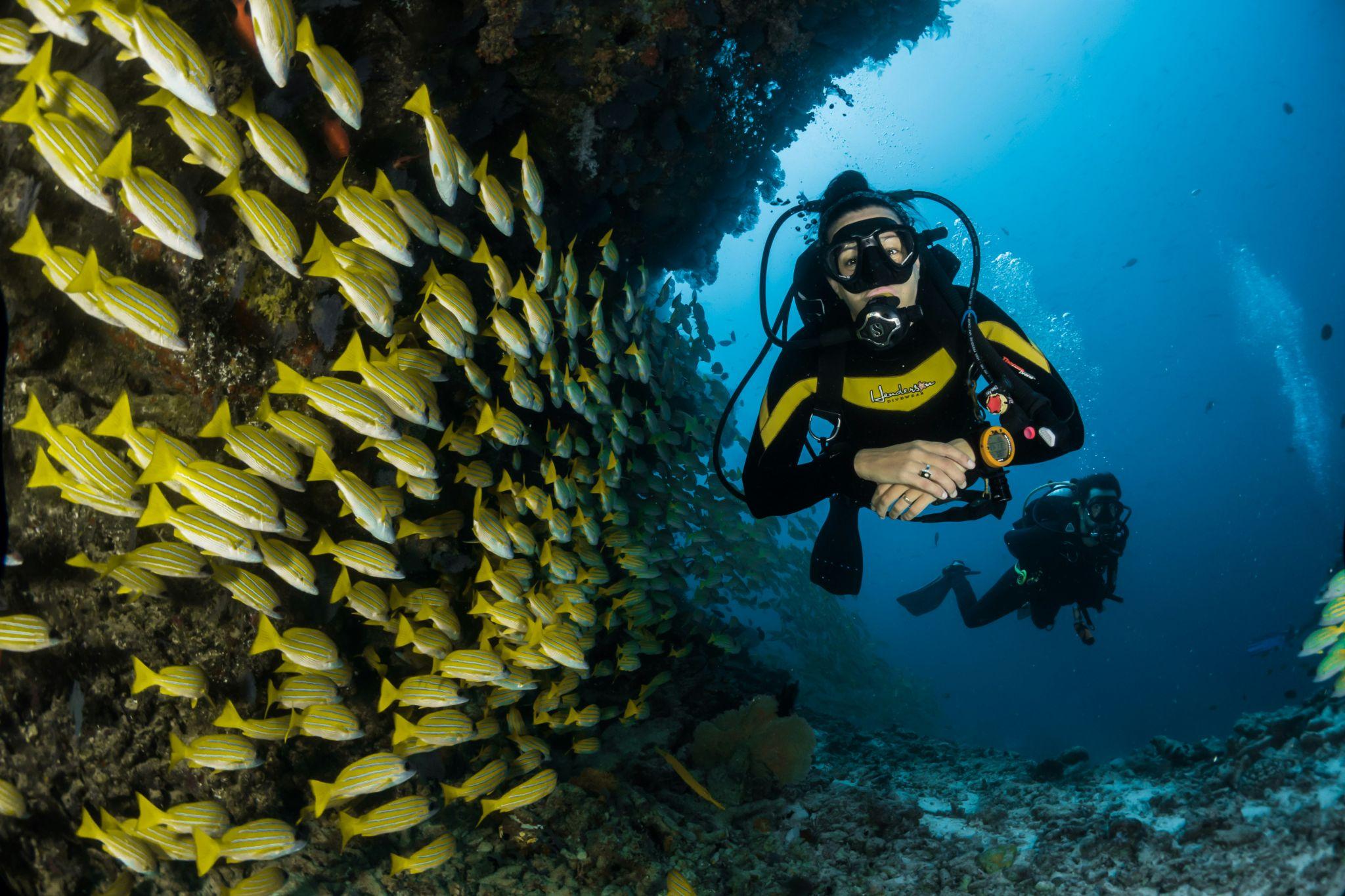
For Dino Crnalic, scuba diving is much more than a recreational sport; it’s an exercise in decision-making and personal growth. The underwater world presents a unique set of challenges that test the mind and body, requiring focus, adaptability, and composure. Divers must learn to interpret subtle cues from their surroundings, communicate without words, and remain vigilant at all times. The ocean does not adjust itself to human comfort, so the diver must adjust instead, reading conditions and responding with a steadiness that only comes from practice and self-awareness.
These experiences not only build technical skills but also develop abilities that are valuable in everyday life. Whether adapting to unexpected changes or coping with the psychological effects of pressure, scuba divers gain resilience, clear thinking, and the capacity to stay calm under stress. Over time, the habits formed beneath the surface begin to shape how a person approaches difficulty on land, turning what might look like a leisure activity into a genuine training ground for sound judgment.
Scuba Diving and Decision-Making
Scuba diving involves more than just exploring underwater landscapes; it requires constant attention and quick thinking in unfamiliar conditions. Every dive demands that individuals monitor their equipment, keep track of time, and respond promptly to unexpected changes. The unpredictable nature of the underwater environment means divers must stay alert and be ready to adapt their plans at a moment’s notice. A dive that begins calmly can shift quickly as currents pick up or visibility drops, and the diver who anticipates these changes fares far better than one who simply reacts to them.
When submerged, divers must make choices that directly affect their safety and well-being. Deciding when to ascend, how to communicate with a dive buddy, or how to adjust air consumption all happen in real-time, often without a chance to pause and reconsider. These decisions, made under pressure, highlight the importance of staying calm and focused, traits that are valuable in many areas of life. The discipline of weighing options quickly while keeping emotions in check is a skill that transfers far beyond the water, into any setting where the stakes are high and time is short.
Environmental and Physical Challenges
Beneath the surface, divers face a world that is always changing. Murky water, strong currents, and the challenge of staying neutral can turn every decision into a test of skill and calm. The underwater setting often reduces visibility and mutes sounds, so divers depend heavily on observation and instinct. What might be a simple glance above water becomes a deliberate act of focus below it, where every piece of information must be gathered carefully and acted on without delay.
Simple tasks, such as reading gauges or signaling to a partner, become much more complicated when performed in thick gloves or with restricted movement. These conditions test a diver’s ability to adapt and make rapid decisions, teaching valuable lessons about flexibility and awareness. The cold, the weight of the equipment, and the constant need to manage buoyancy all add layers of difficulty that demand patience. Divers learn to slow down their movements, conserve energy, and approach each task with a methodical calm that prevents small problems from becoming large ones.
Impact of Pressure on the Mind and Body
Pressure doesn’t just affect equipment; it has direct consequences on the body and mind. As depth increases, higher pressure can lead to effects like nitrogen narcosis, which subtly clouds judgment and slows reaction times. Many divers describe feeling slightly euphoric or confused, often without realizing their thinking has been compromised. Because the onset is gradual and deceptive, the danger lies not only in the effect itself but in the diver’s reduced ability to notice it happening.
This altered state can turn a routine situation into a potential hazard if not recognized and managed quickly. The experience underscores the importance of self-awareness and recognizing when your own abilities might be temporarily diminished by environmental factors. Even small lapses can have outsized effects, so divers must learn to identify when they are not operating at their best and adjust their actions accordingly. Ascending slightly, slowing the pace, and checking in with a dive partner are all ways experienced divers counter these effects before they escalate.
Managing Stress and Psychological Factors
Underwater, stress can creep in unexpectedly. The unfamiliar environment, combined with the pressure to perform tasks correctly, can heighten anxiety. Even seasoned divers may notice their heart rate rising when a mask floods or equipment malfunctions. In moments like these, maintaining composure is vital. A diver who panics tends to breathe faster, burn through air more quickly, and make rushed decisions, while a diver who stays calm can work through the same problem methodically and safely.
Teamwork also plays a crucial role, as group dynamics can either ease tension or add to it, depending on how everyone communicates and supports one another. A reliable dive buddy provides reassurance and a second set of eyes, and the simple knowledge that someone is watching out for you can lower stress considerably. Learning to trust a partner, and to be worthy of that trust in return, is one of the quieter lessons diving teaches about handling pressure as part of a group rather than alone.
Training and Preparation
Thorough preparation lays the groundwork for confident decision-making. Through repetitive drills and scenario-based exercises, divers build muscle memory, allowing them to respond instinctively during high-pressure situations. Structured training doesn’t just cover technical skills; it also instills calmness and the ability to think clearly under stress. When divers know what to expect, they are less likely to panic, making them better equipped to handle the unexpected.
Good preparation extends beyond the water as well. Checking equipment carefully, reviewing the dive plan, and understanding the conditions of a particular site all reduce the number of surprises a diver might face. This habit of preparing thoroughly and rehearsing responses ahead of time is one of the most transferable lessons diving offers, applying just as well to a demanding presentation or a difficult conversation as it does to a descent into open water.
Applying Scuba Lessons to Daily Life
Lessons learned underwater often translate seamlessly to everyday challenges. Facing uncertainty, adapting quickly, and making calm decisions in stressful moments are skills that benefit anyone, not just divers. Navigating a demanding workday or managing a sudden crisis at home can feel much like handling an unexpected current or equipment issue. The discipline and self-awareness developed in scuba diving become valuable assets far beyond the ocean’s edge.
Perhaps the most lasting takeaway is the understanding that composure is a choice that can be practiced. The diver who learns to breathe steadily, assess a situation, and act with intention carries that same approach into the rest of life. Pressure, whether measured in atmospheres underwater or in the demands of a busy schedule, becomes easier to manage once a person has trained themselves to meet it with patience rather than panic. In that sense, every dive is also a rehearsal for staying clear-headed when it matters most.