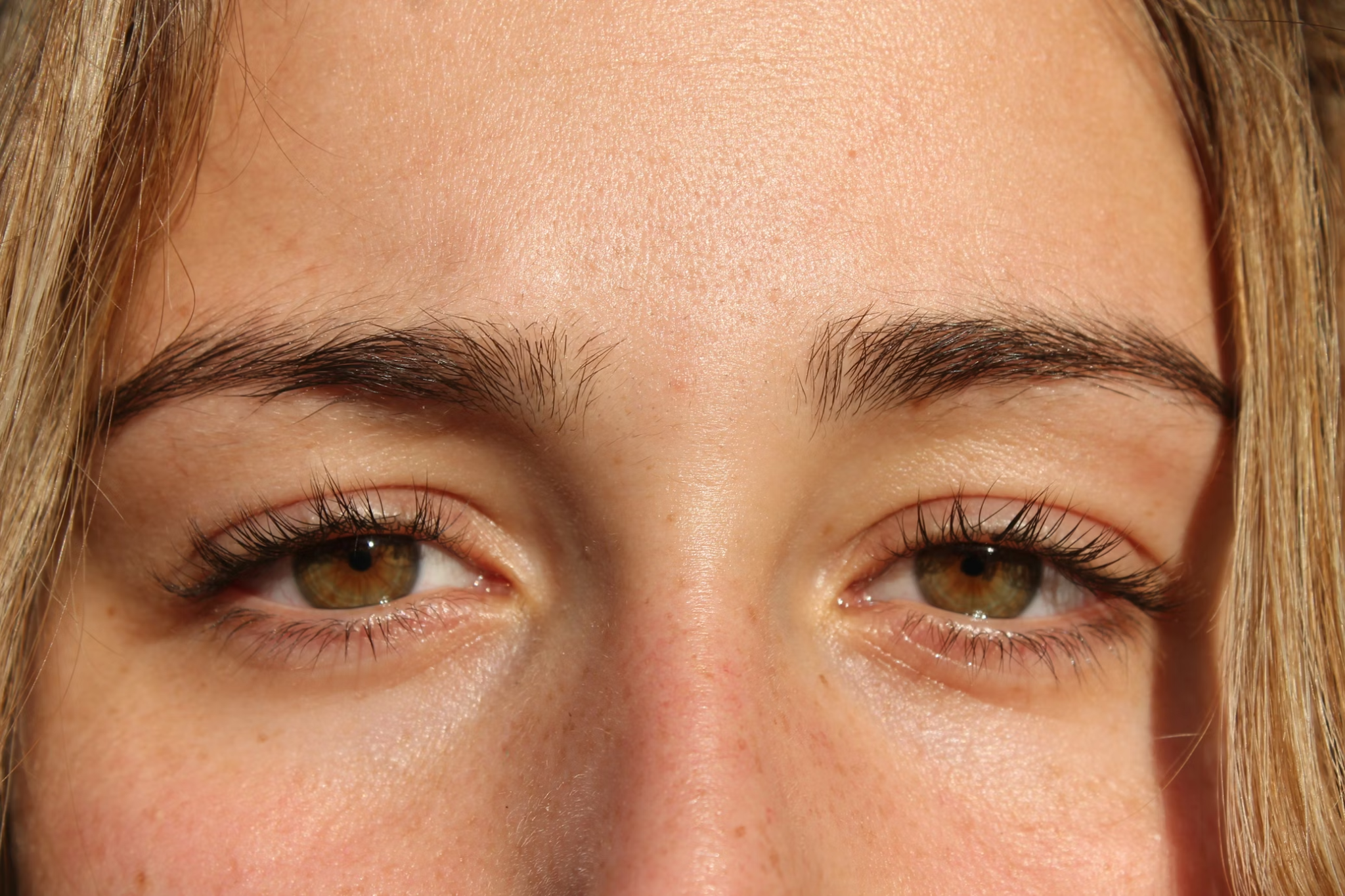
It is easy to take your eyes for granted. They work constantly, adjusting to light, screens, distance and detail without much conscious effort. Most of us only think about eye health when something feels off. A slight blur. A headache that creeps in after a long day. That moment when small text suddenly feels harder to read.
Looking after your eyes properly does not require a complete lifestyle overhaul. It is more about small, consistent habits that protect your vision over time.
Start with how you use your eyes each day
Modern life places a surprising amount of strain on vision. Screens dominate work, leisure and even social time. Phones, laptops and tablets all demand close focus for extended periods, often without breaks.
A simple adjustment can make a noticeable difference. Try the 20 20 20 rule. Every 20 minutes, look at something 20 feet away for 20 seconds. It sounds basic, but it gives your eye muscles a chance to reset. Without that pause, they remain locked in a constant state of near focus, which can lead to fatigue.
Lighting matters too. Working in dim conditions forces your eyes to work harder, while overly harsh light can create glare and discomfort. A balanced, soft light source tends to be easier to live with, especially for long stretches of reading or screen use.
Do not ignore subtle changes
Vision rarely deteriorates overnight. More often, it shifts gradually. You might find yourself holding your phone further away. Squinting slightly when reading signs. Feeling more tired than usual after concentrating.
These are not dramatic symptoms, but they are worth paying attention to. Regular eye tests help catch changes early, even before you notice them yourself. In the UK, most optometrists recommend a check every two years, though it can vary depending on your needs.
An eye test is not just about updating a prescription. It is also a chance to spot early signs of wider health issues. Conditions such as glaucoma or macular degeneration often develop quietly at first.
Protect your eyes outdoors
Sunlight can be surprisingly harsh on the eyes, even in the UK. Ultraviolet exposure builds up over time and can contribute to long term damage.
A good pair of sunglasses with proper UV protection is more than a style choice. It reduces glare, improves comfort and helps shield the eyes from cumulative exposure. This becomes particularly noticeable near water, sand or snow, where light reflects more intensely.
On windy days, sunglasses also act as a barrier against dust and debris, which can irritate the surface of the eye.
Understand the role of glasses
If you already wear glasses, keeping your prescription up to date is essential. Even a small change in vision can affect how your eyes work together, leading to strain or headaches.
For those who need corrective lenses, choosing frames and lenses that suit your daily routine matters more than most people realise. Someone who spends hours on screens may benefit from lenses designed to reduce glare or filter blue light. Others might prioritise clarity at distance or versatility throughout the day.
Many people now explore options for prescription glasses online, which can offer a broader view of styles and lens combinations than a single physical shop. That said, accuracy still starts with a proper eye test and an up to date prescription.
Give your eyes the right support through diet
What you eat has a direct impact on eye health. Nutrients like vitamin A, omega 3 fatty acids and lutein play a role in maintaining vision and supporting the structures within the eye.
Leafy greens, oily fish, eggs and colourful vegetables tend to cover most of what your eyes need. It is less about specific superfoods and more about a varied, balanced diet.
Hydration is often overlooked. Dry eyes can be linked to dehydration, particularly if you spend a lot of time in air conditioned or heated environments.
Sleep is not optional
Tired eyes are not just about screen time. Lack of sleep reduces the eyes’ ability to recover and reset. You may notice twitching, dryness or increased sensitivity to light after a poor night’s sleep.
Consistent rest helps maintain tear production and allows the eyes to recover from daily strain. It is one of the simplest forms of care, yet often the easiest to neglect.
Be mindful of contact lens habits
If you wear contact lenses, hygiene is critical. It is tempting to cut corners, especially at the end of a long day, but small lapses can lead to irritation or infection.
Always follow the recommended wear time. Clean lenses properly. Replace them as advised. These are basic steps, but they protect one of your most sensitive areas.
There is no single habit that guarantees perfect vision. Eye health is built gradually, through attention and routine rather than quick fixes.
Small adjustments such as taking breaks, wearing proper protection outdoors, keeping prescriptions current and getting enough rest all add up. Over time, they help your eyes continue doing what they do best, quietly and reliably, without demanding much in return.