Tooth pain can drain your sleep, your patience, and your budget. When you hear you need major dental work, you may feel pressure to choose fast removal. Still, pulling a tooth often creates new problems. You may face shifting teeth, bone loss, and higher long-term costs. Root canal therapy can protect you from that spiral. It keeps your natural tooth in place and removes the source of pain. For many people, this is the stronger and safer choice. This is true whether you need care close to home or seek endodontic treatment in Bolingbrook. You deserve clear facts, not pressure. This blog explains why saving a tooth often beats losing it. You will see how root canal therapy works, what to expect during treatment, and how it compares with extraction. You will also learn when removal still makes sense.
What a Root Canal Really Does
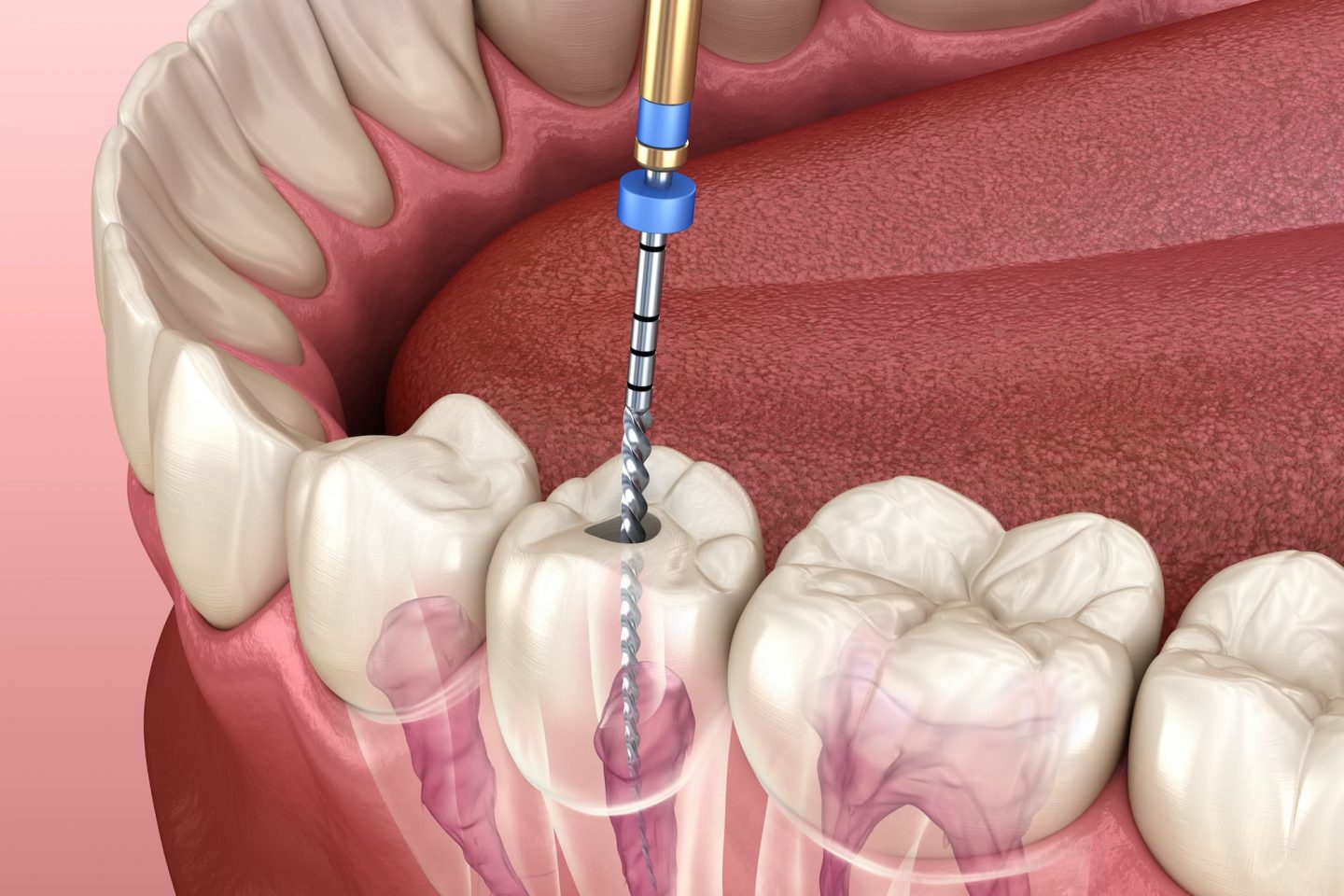
A root canal treats the inside of a tooth. Infection or deep decay reaches the soft center. That center holds nerves and blood supply. When germs reach it, the pressure inside the tooth rises. You feel sharp pain. Sometimes the pain stops when the nerve dies. Infection still spreads.
During root canal therapy, your dentist or specialist:
- Numbs the tooth and nearby gum
- Opens a small hole in the top of the tooth
- Removes the infected soft tissue
- Cleans and shapes the inside space
- Fills the space with a stable material
- Seals the tooth and often places a crown
The tooth stays in your mouth. You keep your natural bite. You remove the source of infection.
What Happens When You Pull a Tooth
Extraction removes the whole tooth from the jaw. At first, this may sound simple. Painful tooth gone. Cost today may seem lower.
Yet removal starts a chain of events:
- Neighboring teeth tilt into the empty space
- The tooth above or below may overgrow into the gap
- Bone in the empty socket shrinks over time
That bone loss changes your bite and your face shape. It also makes future implants harder. You may later need a bridge, a partial denture, or an implant. Each step adds cost, time, and more office visits.
The National Institute of Dental and Craniofacial Research explains how tooth loss affects chewing and long-term health. You can read more at this NIDCR resource on tooth loss.
Root Canal vs Extraction at a Glance
| Factor | Root Canal Therapy | Extraction
|
|---|---|---|
| Goal | Save and restore your tooth | Remove your tooth |
| Pain relief | Yes. Removes nerve and infection | Yes. Removes tooth and nerve |
| Chewing strength | Stays close to normal | Lower in the missing tooth space |
| Effect on nearby teeth | Keeps normal spacing | Teeth shift toward the gap |
| Jaw bone changes | Bone stays more stable | Bone in the gap shrinks over time |
| Upfront cost | Higher than simple pull | Lower at first |
| Long term cost | Often lower if tooth lasts | Often higher after bridge, denture, or implant |
| Appearance | Natural tooth look | Gap or false tooth |
| Common need for future work | Crown repair or redo if needed | Bone graft, bridge, denture, or implant |
How Safe and Successful Is a Root Canal
Root canal therapy has a strong record. Many treated teeth last for years. Some last for life. Success depends on clean work, a good seal, and a healthy crown. Your daily care matters.
With numbing and modern tools, the process feels like a filling for most people. You may feel pressure. You should not feel severe pain. If you do, you tell the dental team so they can add more numbing.
The American Dental Association gives clear facts on root canal therapy and tooth-saving options. You can review those details at this ADA MouthHealthy page on root canals.
Cost and Time: The Hidden Math
When you compare treatments, think about three parts.
- Upfront cost
- Follow up care
- Future risks
An extraction may cost less on day one. Yet if you later pay for an implant, you pay for:
- Bone graft in some cases
- Implant surgery
- Abutment and crown
Step by step, that can cost more than a root canal plus crown. It may also take more visits over many months. Root canal therapy and a crown often finish within a few visits and then routine checkups.
Comfort and Healing
After a root canal, you may feel sore for a short time. Simple pain medicine often helps. You can eat on the other side while the tooth settles. Once the crown is in place, you return to normal chewing.
After an extraction, you manage a blood clot in the socket. You must protect that clot. If it breaks, you may get dry socket. That brings severe pain that needs more care. You also adjust to chewing with a gap. Food may be packed in the open space.
When Extraction Still Makes Sense
Sometimes saving a tooth is not wise. Your dentist may advise removal when:
- The tooth is cracked under the gum
- Most of the tooth is missing above the gum
- Bone support is very weak from gum disease
- Decay reaches far below the gum and cannot be cleaned
In these cases, a root canal cannot give a strong tooth. Removal with a clear plan for replacement may protect your health and your budget.
How to Decide What Is Right for You
You deserve a clear choice, not fear. Before you decide, you can:
- Ask for an honest comparison of both paths
- Request pictures or X-rays and a simple explanation
- Ask what your mouth will look like in five years with each choice
Then you weigh pain relief, cost, time, and how you want to eat and smile. For many people, root canal therapy offers strong relief, steady chewing, and fewer problems later. For some, removal is still best. The right choice is the one that protects your health, your comfort, and your future.