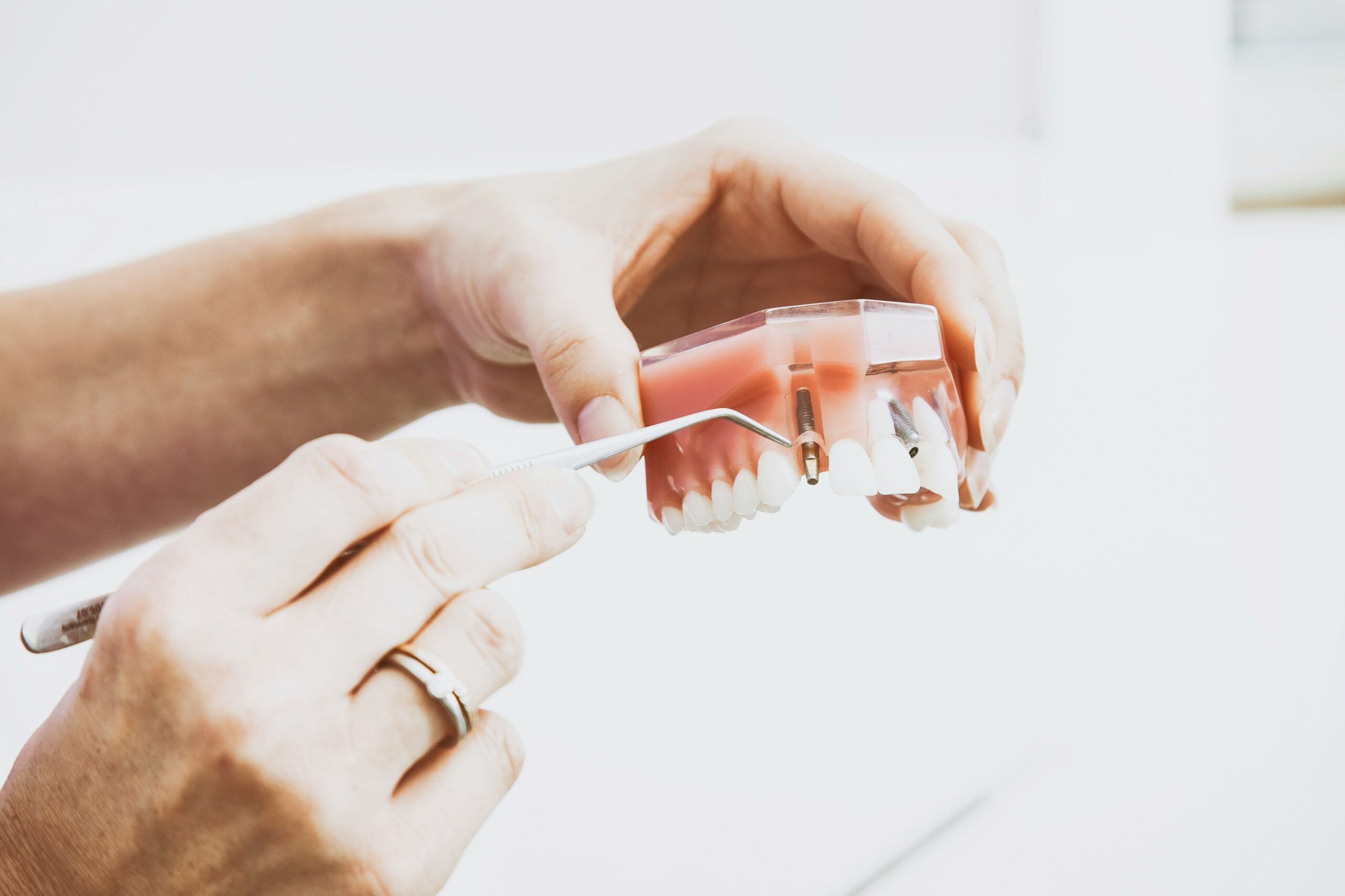
Braces or aligners slowly move your teeth. During this time, your mouth keeps changing. Regular orthodontic checkups protect that progress and prevent trouble. At each visit, your Whittier orthodontist checks how your teeth move, how your bite fits, and how your gums respond. Small problems can grow fast. Loose wires, worn aligners, or sore spots can damage teeth or gums. Missed visits can stretch treatment, cause pain, or change your final result. Routine checkups let your provider tighten, trim, or replace parts before they cause harm. They also give you clear steps for cleaning, eating, and caring for your mouth. You invest time and effort every day. These visits protect and guide that work. Think of checkups as safety checks for your smile, your bite, and your daily comfort.
What Happens At Each Checkup
Every visit follows a simple pattern. You sit in the chair. The team listens to any concerns. Then they check.
During a checkup, your orthodontic team often:
- Reviews how teeth have moved since the last visit
- Checks wires, brackets, bands, or aligners
- Looks for gum swelling, redness, or bleeding
- Checks for worn spots on teeth or cheeks
- Adjusts wires or changes aligner sets
- Explains cleaning steps and food limits
These steps prevent quiet problems from turning into damage. You leave with a clear plan until the next visit.
How Often You Need Orthodontic Checkups
Most people see an orthodontist every 4 to 8 weeks. The exact schedule depends on your teeth and your treatment type.
Typical Checkup Timing During Treatment
| Treatment type | Common visit spacing | Main reason for timing
|
|---|---|---|
| Traditional metal or ceramic braces | Every 4 to 6 weeks | Adjust wires and check bracket bond |
| Clear aligners | Every 6 to 8 weeks | Review fit and give new aligner sets |
| Early treatment for children | Every 6 to 10 weeks | Watch jaw growth and tooth eruption |
| Retainers after treatment | At 1 to 3 months, then as advised | Check that teeth stay in place |
These time frames are guides. Your orthodontist may see you more often if you have faster changes or special needs.
Why Skipping Visits Puts Your Mouth At Risk
Teeth move only when pressure stays just right. If wires or aligners lose strength or shift, that pressure changes. Then the teeth may move in the wrong direction.
Missed visits can lead to:
- Longer treatment time
- Uneven or twisted teeth at the end
- Jaw pain or bite problems
- Worn or cracked teeth
- Gum infection or swelling
The National Institute of Dental and Craniofacial Research explains that gum disease often grows in places that are hard to clean. Braces create those tight spots. Regular checkups help catch early gum changes before they turn into infection or tooth loss.
How Checkups Protect Children And Teens
Children and teens face extra pressure during treatment. School, sports, and peer stress can make it hard to follow brushing and food rules.
Orthodontic visits help young patients by:
- Checking if brushing and flossing reach all tooth surfaces
- Spotting early white spots that signal weak enamel
- Repairing broken brackets from sports or hard snacks
- Reviewing safe choices for lunches and snacks
- Giving steady encouragement and clear steps
The American Academy of Pediatric Dentistry notes that early orthodontic visits also help guide jaw growth. That guidance reduces the need for more serious work later.
How Checkups Support Your Daily Comfort
Orthodontic care affects how you eat, talk, and sleep. Pain or rubbing can drain your energy and patience. Routine visits help limit this strain.
During a checkup, the team can:
- Clip wires that poke your cheeks
- Smooth sharp plastic edges on aligners
- Adjust pressure if teeth feel sore in one spot
- Replace broken parts before they cut your mouth
- Explain how to use wax, saltwater rinses, and pain relief
These changes keep treatment bearable. You should not feel constant pain. You should feel steady, mild pressure that comes and goes.
Comparing Regular Visits And Skipped Visits
The pattern is clear. Regular visits protect your health and your time. Skipped visits raise risk and cost.
Regular Checkups vs Skipped Checkups
| Aspect | With regular checkups | With skipped checkups
|
|---|---|---|
| Treatment length | Stays close to the original plan | Often stretches many extra months |
| Tooth health | Early repair of wear and weak spots | Higher chance of cavities and cracked teeth |
| Gum health | Swelling and bleeding caught early | Higher risk of gum disease and bone loss |
| Comfort | Pain managed with quick fixes | Lingering pain and sores |
| Final result | Straight teeth and balanced bite | Compromise on bite or tooth position |
How To Prepare For Each Visit
You can make each checkup more useful with a short routine before you go.
- Brush and floss so the team can see teeth and gums clearly
- Write down any pain, rubbing, or trouble chewing
- Bring your aligners, elastics, or retainers
- List any new medicines or health changes
- Ask about any step you do not understand
Clear questions lead to clear answers. That honesty helps your orthodontist adjust your plan in real time.
Staying On Track When Life Gets Busy
Work, school, and family needs can pull you away from care. Canceled visits build up. Your teeth do not pause. They keep moving.
You can stay on track by:
- Booking your next visit before you leave the office
- Using calendar reminders for upcoming appointments
- Calling early if you must reschedule
- Keeping a small kit with floss, brush, and wax
These small steps protect the time, money, and energy you already put into treatment.
Closing Thoughts
Orthodontic treatment reshapes your smile and your bite. Regular checkups keep that change safe and steady. Each visit checks progress, eases pain, and guards your teeth and gums. You do the daily work with brushing, food choices, and elastic wear. Your orthodontist guides the plan and adjusts it. Together, you protect your smile for years to come.