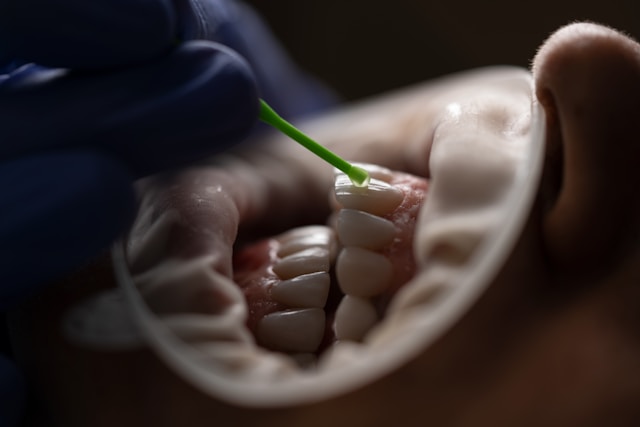
You want teeth that look real, feel steady, and let you eat and speak without fear. Dental implant restorations can give you that. They do not just fill a gap. They replace the root and the tooth, so your smile feels like it once did. You can bite an apple, laugh in a crowd, and trust that your teeth will stay in place. Many people feel shame or loss when they lose a tooth. You might hide your smile or avoid photos. A skilled Great Falls, MT dentist can use implants to rebuild your confidence and your daily life. These restorations match your natural teeth in color, shape, and function. They also help protect your jaw from bone loss. This blog explains why implants look and feel natural, how they work with your body, and what you can expect from the process.
How Dental Implants Work With Your Body
A dental implant has three main parts. Each part plays a clear role in how natural it looks and feels.
- The implant post sits in your jaw and acts like a tooth root.
- The abutment connects the post to the new tooth.
- The crown is the tooth you see when you smile.
Your bone grows around the implant post through a healing process called osseointegration. Your jaw locks the post in place. This is similar to how your body holds natural tooth roots. Because of that bond, your new tooth feels strong when you chew or speak. It does not shift or click. It feels like a part of you.
The crown is custom-shaped and shaded. The dentist matches the size, color, and surface texture to your nearby teeth. That way, your smile looks even and calm. No one else needs to know which tooth is the implant.
Why Implants Look More Natural Than Other Options
Many people compare implants to bridges or dentures. Each option can replace missing teeth. Yet they do not feel the same in daily life. The table below shows key differences.
Comparison of Common Tooth Replacement Options
| Feature | Dental Implant | Fixed Bridge | Removable Denture |
|---|---|---|---|
| Support | Anchored in jaw like a root | Attached to nearby teeth | Rests on gums and may use clasps |
| Look | Single crown that blends with teeth | Connected crowns across a gap | Larger base with plastic gum surface |
| Feel while chewing | Feels steady and strong | Feels steady but stresses other teeth | Can move or rub gums |
| Effect on nearby teeth | No grinding or reshaping of neighbors | Needs reshaping of nearby teeth | No reshaping but can trap food |
| Bone support | Helps slow bone loss in jaw | Does not support bone | Does not support bone |
| Speech | Feels like natural teeth | Feels close to natural | Can affect certain sounds |
This comparison shows why implants look and feel more natural. They stand alone. They do not rely on nearby teeth or plastic bases. You gain a tooth that rises from your gums the way a real tooth does. You do not feel a plate across your palate. You do not feel metal clasps hugging your other teeth.
How Implants Protect Your Face and Smile
Tooth loss harms more than your smile. Your jawbone needs pressure from chewing. When a tooth is gone, the bone under that tooth can shrink. Over time, this can change your face shape. Your cheeks can look sunken. Your bite can shift.
An implant passes chewing forces into the bone. This pressure signals your body to keep the bone strong. That support helps protect your face shape and your other teeth.
The American Dental Association’s MouthHealthy resource explains how implants help maintain bone and support long-term oral health. When you protect your bone, your smile stays more stable. Your bite feels more natural. Your jaw joints carry less stress.
What Dental Implants Feel Like Day to Day
After healing, most people forget which tooth is the implant. That is the goal. The implant should feel quiet in your mouth. No slipping. No edges that cut your tongue. No special daily steps beyond normal care.
You can expect to:
- Chew most foods you enjoyed with your natural teeth.
- Speak without lisping or clicking.
- Brush and floss around the implant like a normal tooth.
You might notice some pressure at first when you chew on the implant. Your body is learning the new support. That feeling should fade as your jaw and muscles adjust. If pain or movement shows up, you should contact your dentist right away.
The Steps From Missing Tooth to Natural Feeling Implant
The process takes time. That time is what allows the implant to feel natural and strong. The steps often include three stages.
First, planning and evaluation. The dentist checks your mouth, jawbone, and health history. You might need X-rays or a scan. This step makes sure the implant has a safe place in your bone.
Second, implant placement. The dentist places the implant post in the bone. You go home the same day. Healing often takes several months. During this time, your bone grows around the post.
Third, abutment and crown. Once the implant is stable, the dentist attaches the abutment. Then a lab makes the crown. The crown is shaped and colored to match your nearby teeth. After placement, small bite changes fine-tune how your teeth meet.
Each step has clear reasons. Careful planning gives a safe foundation. Healing gives strength. Custom design gives a natural look.
How To Care For Implants So They Stay Natural
Dental implants can last many years. Yet they still need care. You can protect them by treating them like natural teeth.
- Brush two times each day with a soft brush and fluoride toothpaste.
- Clean between teeth once each day with floss or small brushes.
- See your dentist on a regular schedule for cleanings and checks.
- Avoid tobacco, which raises the risk of implant problems.
Routine care keeps the gums around the implant healthy. Healthy gums frame your crown and keep it looking real. If the gums swell or pull away, the implant can start to look longer or darker at the edges. Quick care at that stage can stop further harm.
When To Ask About Dental Implants
You might be a good match for implants if you have one or more missing teeth and want a fixed solution. You should have enough bone to hold an implant and healthy gums. Certain health conditions and some medicines can affect healing. You should share your full health history with your dentist.
If you feel tired of loose dentures, or you hate how a gap makes you hide your smile, you can ask about implants. A careful exam and clear talk with your dentist can show you if this path is safe for you.
Tooth loss can feel like a hard blow. You do not have to accept a smile that feels fake. With the right plan, dental implant restorations can help you eat, speak, and smile with calm confidence again.