Implants change more than your smile. They shape your long term cosmetic results every time you chew, speak, or look in the mirror. When a tooth is missing, your jawbone shrinks. Then your face can sag. Crowns and bridges sit on top. Implants lock into the bone and help keep that structure. This support protects your bite, face shape, and gum line. It also reduces uneven wear on nearby teeth. Many people think implants are only about filling a gap. In truth, they set the stage for how your smile will look and feel many years from now. North Scottsdale cosmetic dentistry often uses implants as the base for careful cosmetic work. That includes color, shape, and alignment. This blog explains how implants affect aging, facial support, and long term smile results. It also shows what to ask before treatment so your choices match your goals.
Why missing teeth change your face
When you lose a tooth, the bone under that tooth loses pressure from chewing. Then the body pulls calcium from that bone. Over time, the ridge thins. Your gums sink. Your lips lose support. Your bite shifts. You may notice new lines around your mouth. You may see one side of your face drop more than the other.
The National Institute of Dental and Craniofacial Research explains that bone stays stronger when it carries load from chewing.
Each small change adds up. Your teeth no longer meet in a stable way. Then repairs chip. Fillings crack. Crowns feel high or loose. The look of your smile keeps slipping.
How implants protect long-term cosmetic results
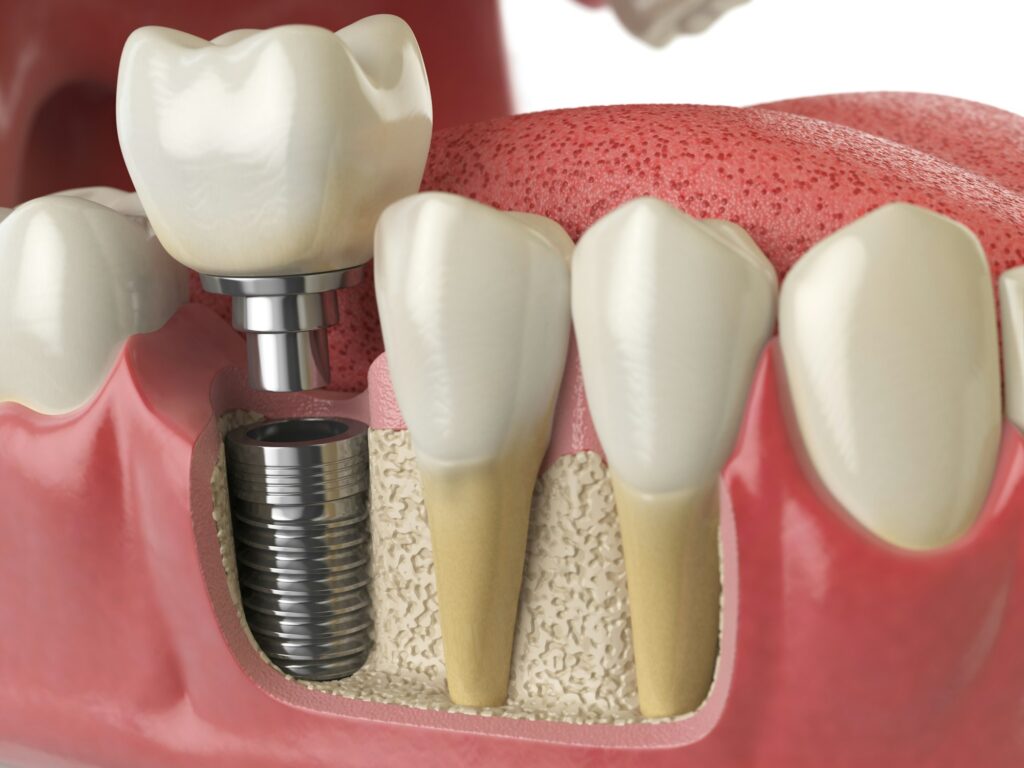
Implants act like new tooth roots. A surgeon places a small post in the bone. Over time, the bone grows around the post. Then a dentist adds a crown, bridge, or denture on top.
This root effect does three key things for long-term cosmetic results.
- It helps keep bone from shrinking in that spot.
- It holds the gum line in a steady place.
- It shares chewing forces across your bite.
The American Academy of Periodontology notes that implants support bone and help maintain facial structure.
When bone and gums stay steady, your cosmetic work lasts longer. Color stays even. Edges line up. Your smile stays closer to the plan you and your dentist set at the start.
Implants compared with bridges and partial dentures
You have more than one way to replace a missing tooth. Each path affects long-term cosmetic results in a different way.
| Feature | Implant crown | Fixed bridge | Removable partial denture
|
|---|---|---|---|
| Support for jawbone under the gap | Yes. Post in the bone keeps the load on that spot | No. Bone under gap keeps shrinking | No. Little or no load on that bone |
| Effect on nearby teeth | No need to grind healthy teeth | Needs grinding of teeth next to the gap | Clips and pressure can wear nearby teeth |
| Gum line stability over time | Often more stable gum height | Gums may sink under the fake tooth | Gums often change under the base |
| Long term cosmetic match | Strong color and shape match when well planned | Good early. Then gaps and shadows may appear | Teeth may look bulky or shift with wear |
| Everyday feel | Feels close to a natural tooth | Feels fixed. Harder to clean | Can move. Needs removal for cleaning |
Each choice has use. Yet only implants reach into the bone under the gap. That one fact shapes how your smile will look ten years from now.
Facial support and aging
Your teeth and jaws act like a frame for the lower face. When teeth and bone shrink, the lower face frame shortens. Then the chin moves closer to the nose. The mouth turns inward. Wrinkles deepen around the lips. These changes can make you look tired or upset even when you feel calm.
Implants help slow that slide. They keep chewing forces in the jaw. They support the lips from behind. They hold dentures or bridges in a steady place. You gain three linked results.
- Your mouth corners stay more level.
- Your lips keep a more natural shape.
- Your lower face keeps more height.
The change is not magic. Still, over many years, it can mean the difference between a sunken smile and a steady one.
Cosmetic planning with implants
Good long-term results start with clear planning. You and your dentist should talk through three main points before you start.
- Color. Implants crowns do not stain like natural teeth. Your dentist may suggest whitening first. Then the crown can match that lighter shade.
- Shape. The crown shape should fit your face, lips, and bite. Sharp corners can crack. Very wide teeth can strain the bone and gums.
- Position. The post must sit in a bone that can hold it. At the same time, the final crown must line up with the rest of your smile.
These choices affect how your smile photographs, how it looks in person, and how it changes with age.
Questions to ask before you choose implants
You protect your long-term cosmetic results when you ask direct questions. You can bring this list to your visit.
- How will an implant help keep bone in my case?
- What will my face look like if I wait or do nothing
- Can you show me photos of similar cases five years out
- How will you match the color to my other teeth
- What changes in my gums should I expect over time
- How often will you check the implant and crown
- What daily care do I need to protect my long-term results
Clear answers can calm fear. They also help you see the long view, not just the day of surgery.
Daily habits that protect your results
Implants can last many years. Still, they need care. You can support your cosmetic results with three steady habits.
- Brush and clean between teeth each day around the implant and natural teeth.
- See your dentist on the schedule they set for cleaning and checks.
- Protect your teeth from grinding with a night guard if you clench.
These small steps lower the chance of gum infection around the implant. They also cut the risk of chips and cracks that spoil the look of your smile.
Choosing for your long term smile
Implants do more than fill a gap you see today. They shape your jaw, your bite, and your face in the years ahead. When you think about treatment, think past the next season. Picture how you want to look and feel many years from now. Then work with your dentist to build a plan that protects both your health and your long-term cosmetic results.