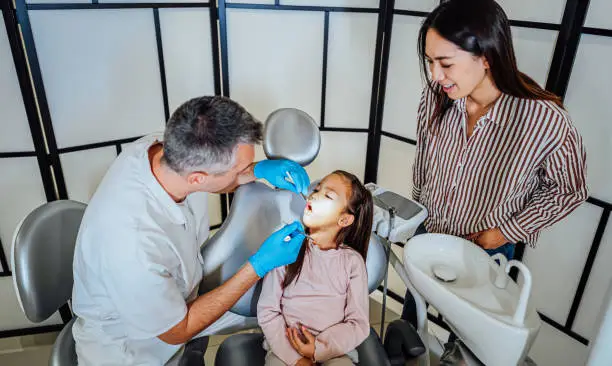
Your mouth tells a story long before pain starts. Early detection in general dental care protects you from quiet damage that can grow into infection, tooth loss, and costly treatment. You may feel fine. Yet small signs inside your mouth can point to gum disease, decay, or even early cancer. Quick checks during routine visits help your dentist find these problems at the start. Then treatment stays simple, shorter, and less stressful. You keep more of your natural teeth. You keep your smile strong. Early detection also reduces the chance you will need root canals, extractions, or Chelsea dental implants later. Regular exams, cleanings, and simple X rays work together to catch trouble early. You gain control over your health. You also protect your ability to eat, speak, and smile with confidence at every age.
Why small dental problems grow so fast
Tooth decay and gum disease start small. A soft spot in the enamel. A thin line of red along the gums. You may not notice any change. Yet harmful bacteria feed on sugar and starch from your food. They produce acid that eats away at your teeth. They also irritate your gums.
With time, this quiet damage turns into cavities, infection, and loose teeth. Once decay reaches the inner part of the tooth, you may need a root canal or extraction. Once gum infection reaches the bone, you may lose teeth. Early detection breaks this chain. You stop the damage before it reaches the deep parts of your mouth.
What early detection looks like at a routine visit
During a regular checkup, your dental team checks three things.
- Your teeth for decay, cracks, and worn spots
- Your gums for swelling, bleeding, and pockets
< li> Your cheeks, tongue, and lips for strange spots or sores
The exam is quick. It uses a small mirror, a probe, and sometimes X-rays. According to the Centers for Disease Control and Prevention, almost half of adults over 30 have some form of gum disease. Many do not feel pain. Routine checks find these silent problems early. Then treatment often needs only a small filling or a deep cleaning instead of surgery.
How early detection protects your whole body
Your mouth connects to the rest of your body through blood and air. Infection in your gums can spread. Studies show links between poor oral health and heart disease, stroke, and diabetes. You may notice bleeding gums. You may think it is small. Yet bleeding is a sign of infection and inflammation.
When your dentist finds and treats gum disease early, you lower the strain on your immune system. You also avoid chronic infection. Early care supports better control of blood sugar for people with diabetes. It also lowers the risk of bone loss in the jaw. You protect more than your teeth. You protect your heart, lungs, and brain.
Early detection costs less and saves time
Untreated dental problems grow more complex. A small cavity may need only a basic filling. A large cavity may need a crown, a root canal, or extraction. The same pattern holds for gum disease. Mild gum inflammation may need improved brushing and a cleaning. Advanced gum disease may need surgery and long-term treatment.
The table below shows a simple comparison.
| Condition | Found early | Found late
|
|---|---|---|
| Tooth decay | Small filling. One short visit. | Root canal or extraction. Multiple visits. |
| Gum disease | Cleaning and home care changes. | Surgery and risk of tooth loss. |
| Cracked tooth | Crown to protect the tooth. | Breaks apart. Possible extraction. |
| Oral cancer | Small lesion removed. Higher survival. | Spread to lymph nodes. Hard treatment. |
Early detection does not just cut pain. It cuts cost, time in the chair, and missed work or school. It also protects your ability to eat your usual foods and speak with ease.
Oral cancer checks save lives
Oral cancer can appear on your tongue, cheeks, gums, or throat. It often starts as a small patch, lump, or sore that does not heal. Many people ignore these signs. They hope the spot will fade. This delay can cost precious time.
During routine visits, your dentist looks for color changes, rough spots, or growths. Early oral cancer often has no pain. When found early, treatment is much more likely to work. You keep more functions and more comfort. The National Institute of Dental and Craniofacial Research explains that tobacco use, alcohol, and HPV infection raise risk. Regular checks matter even more if you use these products or have these risks.
How you can support early detection at home
Your daily habits give your dentist a head start. You can support early detection with three simple steps.
- Brush your teeth twice a day with fluoride toothpaste
- Clean between your teeth daily with floss or cleaners
- Look inside your mouth each month for new spots or sores
If you see bleeding that does not stop, white or red patches, or a sore that lasts more than two weeks, contact your dentist. Do not wait for pain. Do not wait for swelling. Early contact turns a worry into a plan.
When to schedule your next visit
Most people need a dental checkup every six months. Some need more frequent visits if they have diabetes, gum disease, or many fillings. Children need visits as soon as the first tooth appears or by the first birthday. Regular care from the start helps prevent fear and teaches healthy habits.
If you have not seen a dentist in more than a year, schedule a visit now. Tell the office about any medical conditions or medicines. Ask for a full exam and cleaning. Ask what they found. Ask what you can change at home. You deserve clear answers and a simple plan.
Take control before problems control you
Early detection in general dental care gives you control. You catch problems while they are still small. You avoid sudden pain, emergency visits, and hard choices about extractions or implants. You protect your health, your energy, and your peace of mind.
Your mouth tells a story. With regular exams, honest questions, and strong home care, you help write that story. You choose comfort. You choose strength. You choose early action instead of late regret.