People often talk about dental implants as though every case has the same steps. In reality, replacing one missing tooth can involve a very different design from replacing three adjacent teeth or an entire row. The number of teeth you see missing is only part of the calculation. The teeth still present, the health of the gums, the shape of the jaw, and the way you bite all matter.
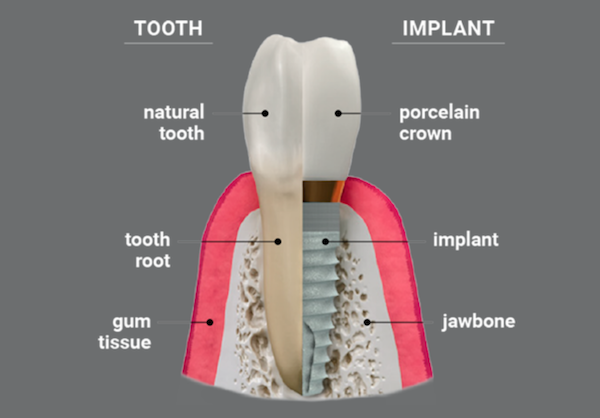
For someone in Bolingbrook researching available care, a page on dental implants near Bolingbrook provides a starting point for exploring treatment at Chicago Implant Studio’s Aurora office. It cannot tell you how many implants you personally need. That answer follows an examination and a discussion about what is worth preserving.
Understanding the main treatment patterns can make that discussion more productive. Rather than arriving with a preferred number of implants, arrive with a list of the teeth that trouble you and the practical problems you hope treatment will solve.
A Single Gap Is Often About Its Neighbors
If one tooth is absent, a clinician will look carefully at the teeth on either side. Are they healthy? Are they already crowned? Do they support your bite well? A single implant and crown may replace the missing tooth without using those neighbors for support, but it is not the only option.
A conventional bridge can also fill a gap, using neighboring teeth. That may be an appropriate choice depending on their condition and your preferences. Ask what would have to be done to those teeth and how each option would be cleaned. The answer may change if the gap is visible when you smile or if it carries heavy chewing forces.
Time matters, too. Ask whether the missing tooth site has enough bone for an implant and whether any preparation is needed. If the tooth has yet to be removed, discuss whether immediate placement is appropriate or whether a staged plan is safer for your case.
Adjacent Missing Teeth Do Not Always Need Matching Implants
When several teeth are missing next to one another, an implant-supported bridge may be considered. In some cases, implants at selected positions support more than one replacement tooth. The exact number and placement depend on available bone, the length of the gap, and the forces the restoration will experience.
Do not calculate the number yourself by counting empty spaces. Ask the clinician to show you which teeth will be supported by which implants and why the design is suitable. Also ask what happens if a neighboring tooth is weak. A plan that assumes it will remain healthy should explain how that assumption was assessed.
Cleaning becomes an important design question. Food and plaque can collect around bridge components if you cannot reach them properly. Before accepting a plan, ask the team to demonstrate how you would clean under the proposed bridge and whether its shape makes that realistic for you.
Scattered Gaps Create a Different Puzzle
Someone with several gaps in different parts of the mouth may not benefit from treating each one in isolation. The overall bite can change when chewing shifts repeatedly to one side. Existing fillings, crowns, and worn teeth may influence how new teeth should meet.
Ask for a plan covering the whole mouth even if you will complete treatment in stages. Which gaps need attention first? Are there teeth that should be stabilized or treated before implants are placed? What temporary solution would help you eat while later work is pending?
A staged approach can sometimes make appointments or expenses easier to manage, but it should still serve a coherent final plan. If you are considering spacing treatment over months or years, ask what risks or limitations follow from the delay and which steps cannot safely be separated.
When Most Teeth in an Arch Are Missing
An entire arch involves different decisions from a single crown. A clinician must assess remaining teeth, the condition of the jaw, and how the replacement teeth will be supported. A removable implant-supported denture and a fixed bridge are not the same restoration, even though both may use implants.
Ask to see the design proposed for you. Will you remove it for cleaning? If it is fixed, how will you clean underneath? Will the first teeth be temporary while you heal? Which parts may be changed when the final restoration is made? The term full mouth can also be confusing: clarify whether a quote covers one jaw or both.
Some people hear a specific technique name and assume it determines eligibility. A label does not replace the examination. The required number and position of implants should follow the anatomy and the planned restoration, not an advertisement’s promise that everyone needs the same arrangement.
Understand Which Teeth Can Stay
Implants are useful replacements, but healthy natural teeth deserve thoughtful consideration. Ask why a questionable tooth is being retained or removed, what treatment might preserve it, and how its prognosis affects the overall plan. A tooth that looks damaged to you may need testing before anyone can advise what to do.
Decisions about preserving or replacing teeth affect the scope of a quote, so an Illinois implant cost guide may help frame financial questions. Bring previous treatment records if available and explain which restorations have repeatedly failed. A clinician can then connect the new plan to the history of the teeth rather than starting from a photo of the current smile alone.
If you receive two very different recommendations, ask each clinician to identify the clinical findings that drove the difference. It is reasonable to seek another opinion when the decision would involve removing several teeth or undertaking a complex reconstruction.
Imaging and Health History Are Part of the Design
Imaging can help show the position and amount of available bone and nearby structures. The team also considers gum health and how the upper and lower teeth meet. These findings affect where implants can be placed and how the final teeth should be shaped.
Medical information matters as well. Tell the clinician about conditions affecting healing, medications, and tobacco use. Do not assume that a condition automatically rules treatment out; equally, do not assume it is irrelevant because you feel well. Ask how the information changes preparation, risk, and follow-up for your particular case.
The purpose of the evaluation is not merely to approve surgery. It should identify problems that need treatment first and give you a realistic account of the available choices. You should understand what remains uncertain after the visit.
The Temporary Teeth Deserve Their Own Questions
You may need a temporary replacement between extraction, implant placement, healing, and the final teeth. Ask what that temporary option will look like, whether it is removable, and what you may eat while using it. A temporary tooth can support appearance and daily function, but it may have different limitations from the definitive restoration.
If same-day teeth are discussed, distinguish between placement of an implant and attachment of a replacement. Find out what will happen on the day of surgery and what will happen later. These details have a direct effect on work, meals, and family plans.
Keep the temporary stage in the cost estimate as well as the calendar. When comparing practices, a plan including temporary teeth and later revisions is not directly equivalent to a quote covering only placement and the final crown.
Check the Long Term Maintenance Plan
The more components a restoration has, the more important it is to understand cleaning and repair. Ask how often the team expects to examine the implants and what signs of inflammation or a loose component you should report. Replacement teeth may be artificial, but the gums and bone supporting them are living tissues.
For a single crown, ask how to clean around it. For a bridge, ask how to reach underneath. For a removable appliance, learn how its attachments are cared for. If your hands make fine cleaning tasks difficult, mention that before the design is finalized.
Discuss possible future repair costs. Components can wear or require adjustment. A good plan explains who handles those needs and whether you must travel back to the same office for routine care. That question matters when you live outside the city where the surgery is performed.
Make the Plan Legible to Yourself
Ask the team to mark the teeth and implants on a simple diagram. Have them label which teeth are staying, which are being replaced, and what type of restoration will be used in each area. Then ask for the sequence of visits and a written estimate covering the complete plan.
You do not need to master dental terminology to make a good decision. You need to know what is happening in your own mouth, why the proposed number of implants makes sense, and how your daily routine will change. When those questions are answered, one gap or several no longer feels like a mysterious calculation.