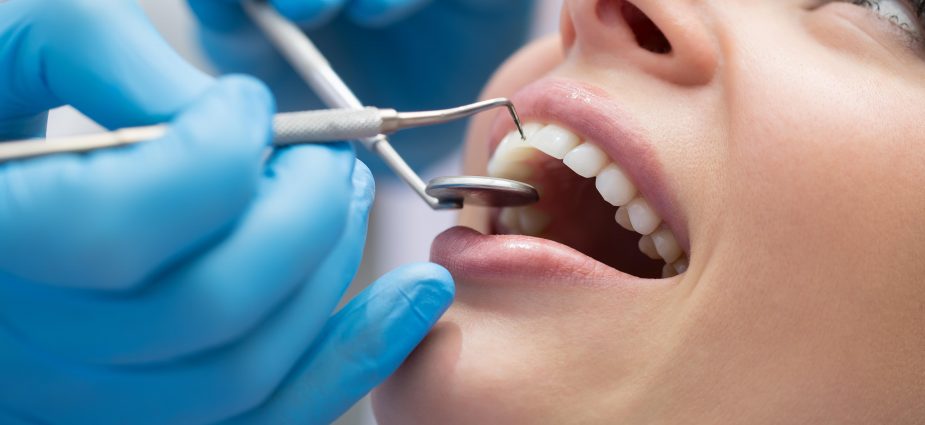
Strong enamel protects your teeth from pain, decay, and costly treatment. When enamel wears down, you feel it every time you eat, drink, or even breathe in cold air. General dentists see this damage every day. They also know you can slow it and often stop it. This blog shares 6 clear steps you can use to protect and strengthen your enamel at home and during routine visits. You learn how simple changes in brushing, diet, and daily habits can shield your teeth. You also see when it is time to ask for help and what support looks like. If you already need repair or want a brighter smile, these same steps support results from cosmetic dentistry in Glen Ellyn, IL. You deserve teeth that feel strong and steady. You can start with small changes today that protect your enamel for many years.
1. Brush the right way, not the hard way
You might think hard brushing cleans better. It does not. It scrapes enamel and hurts gums. You need a soft touch and the right tools.
- Use a soft bristle toothbrush
- Brush for 2 minutes, 2 times a day
- Use short strokes and tilt the brush toward the gumline
Research from the Centers for Disease Control and Prevention shows daily brushing helps prevent decay. You protect enamel when you clean away plaque without grinding the surface. Think gentle broom, not wire brush. That small change keeps the enamel smooth and firm.
2. Choose fluoride for daily defense
Fluoride helps your enamel repair itself after acid attacks. You face these attacks every time you eat or drink. You can support your enamel by adding fluoride into your routine.
- Use fluoride toothpaste with the ADA Seal
- Ask your dentist about fluoride varnish or gel
- Drink tap water if it has fluoride
The National Institute of Dental and Craniofacial Research explains that fluoride helps rebuild weak spots in enamel. It does not feel dramatic. It works quietly every day. Over time, that steady support lowers your risk of cavities and tooth loss.
3. Cut back on sugar and acid attacks
Every sip and snack can either help or hurt your enamel. Sugar and acid feed the germs that cause decay. They also soften enamel so it wears away faster.
Common triggers include:
- Soda and sports drinks
- Fruit juice and energy drinks
- Sticky candy and sweets between meals
You do not need to remove all treats. You do need to limit how often you expose your teeth. Try these steps.
- Drink water instead of soda
- Have sweets with meals, not alone
- Rinse with water after acidic drinks
This pattern gives your enamel time to recover. You still enjoy what you like. You just protect yourself from constant damage.
4. Protect teeth from grinding and clenching
Many people grind or clench their teeth during sleep or stress. You may not notice until you see flat edges, small chips, or morning jaw pain. Grinding wears down enamel like sandpaper. Once it is gone, it does not grow back.
You can respond fast.
- Tell your dentist if you wake with sore jaws or headaches
- Ask about a custom night guard
- Use stress reduction habits like stretching or breathing before bed
A night guard creates a shield between upper and lower teeth. It absorbs pressure so your enamel does not have to. This simple device saves many teeth from deep cracks and fractures.
5. Use smart habits during sports and daily life
One hit to the mouth can crack enamel or break a tooth. Contact sports are a clear risk. Regular life can hurt too. Biting ice, pen caps, or hard candy puts strong force on a small point of enamel.
Protect yourself with three habits.
- Wear a mouthguard during sports and recreation
- Do not use your teeth to open packages or bottles
- Avoid chewing ice or very hard candy
These steps seem simple. They prevent sudden damage that even the best brushing cannot fix. You keep the enamel you have and avoid emergency visits.
6. Keep regular dental visits for early help
You see your teeth every day. You still miss early warning signs. Dentists use training, tools, and X rays to spot soft spots and cracks before they spread.
During your visit, your dentist can:
- Check for weak enamel and early decay
- Clean hardened plaque that brushes cannot remove
- Apply fluoride or discuss sealants for at risk teeth
- Review your diet and home care and suggest changes
Routine care is more effective after treatment. Restorations and cosmetic work last longer when the enamel around them stays strong. Regular visits turn small problems into small fixes, not large repairs.
Quick comparison of enamel friendly choices
| Daily Choice | Higher Risk Option | Enamel Friendly Option
|
|---|---|---|
| Drinks | Soda and energy drinks all day | Water or milk between meals |
| Snacks | Sticky candy often | Nuts, cheese, or fresh vegetables |
| Brushing | Hard brush and rough motion | Soft brush and gentle strokes |
| Sports | No mouthguard | Custom or store bought mouthguard |
| Night habits | Uncontrolled grinding | Night guard and stress control |
When to ask for help
Do not wait for sharp pain. Reach out if you notice any of these signs.
- Sensitivity to hot, cold, or sweets
- Rough or sharp spots on teeth
- Visible cracks, chips, or flat edges
- Stains that do not brush away
Early care protects enamel, supports long term comfort, and keeps future options open. You deserve a mouth that feels steady and strong every day. You can start with one change today and build from there. Each step you take gives your enamel a better chance to stay firm for life.