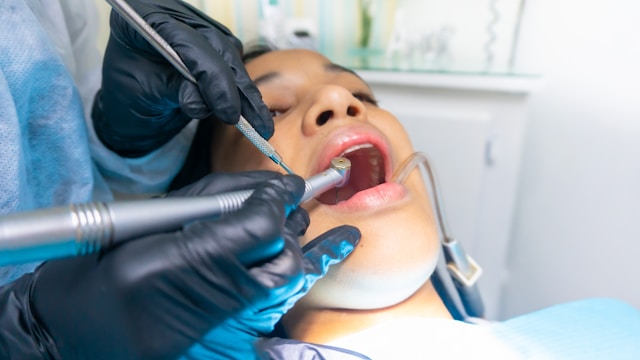
You invested time and money to improve your smile. Now you want those results to last. Cosmetic dentistry can chip, stain, or fail if you do not protect it with steady preventive care. The right habits and services keep your teeth strong and your restorations stable. They also help you avoid sudden pain, surprise costs, and rushed treatment. This blog explains six simple preventive services that protect crowns, veneers, bonding, and whitening for many years. You will see how each one works, what to expect, and when to ask for help. You will also learn questions to bring to your next visit so you feel ready and in control. If you see a dentist in Acton, MA, you can use this guide to plan your next steps and guard your smile every day.
1. Regular Checkups And Cleanings
Cosmetic work needs the same steady care as natural teeth. Regular visits help you catch small problems before they spread.
During a checkup, your dentist looks for decay, gum infection, bite changes, and early cracks in crowns or veneers. A cleaning removes hard tartar that brushing cannot reach. That lowers your risk of gum disease and tooth loss. It also keeps stains from gripping onto rough buildup.
The Centers for Disease Control and Prevention reports that tooth decay and gum disease remain common in adults. Routine visits cut that risk. They also give you a set time to ask about tooth color, fit, or new sensitivity around cosmetic work.
Plan to schedule:
- Two checkups each year in most cases
- Extra visits if you smoke or have diabetes
- Prompt exams if you notice pain, chips, or sudden color change
2. Professional Fluoride Treatments
Fluoride helps teeth resist decay. It also supports the edges of crowns, veneers, and bonding, where decay often starts.
During treatment, your dentist applies a gel, foam, or varnish to your teeth. The process takes only a few minutes. It does not hurt. You might need to wait a short time before eating or drinking. That pause lets the fluoride soak into your enamel.
Fluoride does not change the look of porcelain or bonding. Instead, it protects the tooth underneath and around your cosmetic work. That keeps the foundation strong so your restorations last longer.
The National Institute of Dental and Craniofacial Research explains that fluoride lowers decay by making enamel harder and more resistant to acid. That support matters when you have fillings near veneers or crowns.
Ask your dentist if you need fluoride:
- At each cleaning for high decay risk
- Once a year for lower risk
- Before or after whitening to ease sensitivity
3. Custom Night Guards For Clenching And Grinding
Teeth grinding and clenching place heavy force on cosmetic work. Over time, this pressure can chip veneers, crack crowns, and wear bonding.
A custom night guard fits over your upper or lower teeth. It spreads out force and puts a barrier between your teeth. That protects both natural enamel and restorations. It also helps relax jaw muscles and can reduce morning headaches.
Signs you might need a night guard include:
- Flat or worn teeth
- Chipped edges on veneers or front teeth
- Jaw pain when you wake up
Alab-madee guard lasts longer than a store-bought version. It also feels more secure. You protect your investment and lower the need for future repairs.
4. Sealants On At-Risk Teeth
Sealants protect the deep grooves in back teeth. Those grooves trap food and bacteria. That raises decay risk even if you brush and floss every day.
Your dentist paints a thin coating on the chewing surface. The material flows into the grooves. Then a light hardens it. This simple step blocks decay in spots that are hard to clean. It can support long-lasting crowns, bridges, or cosmetic work on nearby teeth.
Sealants help when you:
- Have deep grooves in molars
- Have a history of cavities
- Want to protect children or teens with early cosmetic work
Sealants work quietly in the background. You do not feel them. Yet they lower your risk of needing new fillings that could weaken tooth structure near cosmetic work.
5. Safe, Guided Whitening Maintenance
Teeth pick up stains from coffee, tea, wine, and tobacco. Even high-quality cosmetic work can look dull next to dark natural teeth. Guided whitening keeps a steady color across your smile.
Your dentist can create custom trays and give you safe gel. That system helps you maintain the shade you reached with office whitening or veneers. It also lowers the risk of uneven color or burned gums that can come from unmonitored products.
With guidance, you can:
- Touch up once or twice a year
- Avoid over whitening that looks harsh
- Protect bonding and crowns from rough products
Ask your dentist before using any new whitening strips or lights. You want products that match your restorations and protect your enamel.
6. Personalized Home Care Coaching
The way you brush and floss every day matters more than any single treatment. Small changes at home can add years to your cosmetic results.
During a visit, your dental team can show you:
- How to angle your brush around veneers and crowns
- Which floss or threaders to use around bridges
- How to clean clear aligners or retainers that touch cosmetic work
You can also review your diet. Frequent snacking on sugary or acidic foods weakens enamel and edges. Water, dairy, and crunchy vegetables help rinse and support your teeth.
This coaching turns short visits into long-term protection. You leave with clear steps that fit your daily routine.
Comparison: Routine Care With and Without Preventive Services
| Factor | With Preventive Services | Without Preventive Services |
|---|---|---|
| Longevity of cosmetic work | Often 10 years or longer for many restorations | Higher chance of repair or replacement within a few years |
| Risk of decay near crowns or veneers | Lower due to fluoride, sealants, and cleanings | Higher with more hidden decay at margins |
| Chips and fractures | Less common with night guards and bite checks | More common from grinding and uneven bite |
| Cost over time | More predictable with planned visits | Less predictable with sudden repairs |
| Comfort and confidence | Steady comfort and stable smile | More worry about stains, cracks, and pain |
Next Steps To Protect Your Smile
You do not need complex plans to protect your cosmetic dentistry. You need steady habits and six simple services.
- Schedule regular checkups and cleanings
- Ask about fluoride and sealants if you get frequent cavities
- Talk about grinding and consider a custom night guard
- Use guided whitening instead of random products
- Request home care coaching that fits your life
Each step supports the others. Together, they help your smile stay strong, bright, and steady for years.