You work hard to prevent problems with your teeth and gums. You brush, floss, and keep your checkups. That care protects your health. It also sets the stage for simple changes that can improve how your smile looks and feels.
This blog explains 6 cosmetic treatments that pair well with strong daily habits. You will see how small steps can brighten, smooth, or reshape your smile without ignoring your health. Each option supports clean teeth and healthy gums instead of hiding them.
A dentist in Medford OR can help you choose what fits your mouth, your budget, and your routine. You will learn what each treatment does, how long it takes, and what to expect after. You deserve clear facts, not pressure. With the right mix of prevention and cosmetic care, you can protect your mouth and feel more sure when you smile.
Why prevention comes first
Strong teeth and gums give every cosmetic treatment a better chance to last. You protect that base when you
- Brush with fluoride toothpaste two times each day
- Floss once each day
- Visit your dentist for cleanings and exams
The Centers for Disease Control and Prevention explains that brushing with fluoride and regular cleanings lower your risk of decay and gum disease. You then add cosmetic care on top of a safer mouth.
Now you can look at six options that work with prevention instead of against it.
1. Professional teeth whitening
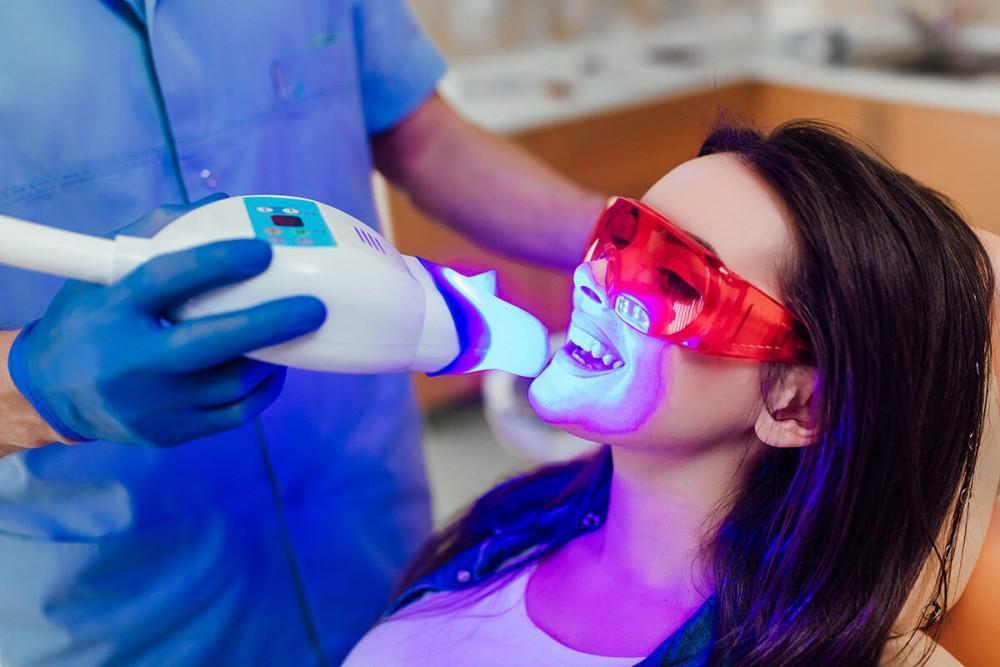
Surface stains from coffee, tea, or tobacco can make you hide your smile. Professional whitening uses stronger products than store kits. You still need clean teeth and healthy gums first. Your dentist checks for decay or gum swelling before treatment. That step prevents pain and protects your roots.
Whitening works best right after a cleaning. Plaque and tartar block the gel. Once those are gone, the gel reaches more of the tooth surface. You get a more even result.
Home care after whitening stays simple. You brush, floss, and keep checkups. You may also cut back on dark drinks. You protect the effort you already made.
2. Tooth colored fillings
Tooth colored fillings repair small cavities and also blend with your natural shade. They support prevention because they seal damaged spots. This blocks food and bacteria from going deeper.
First your dentist removes the decay. Next you get a bonded filling that matches your tooth. You keep brushing and flossing as usual. You may even floss more easily than with old metal fillings that can snag floss.
These fillings can also fix small chips or worn edges. That change can protect rough spots from trapping plaque.
3. Dental bonding
Bonding uses the same type of tooth colored material in a different way. Your dentist shapes the material on the front of a tooth. You can close small gaps, cover a stained patch, or smooth a chipped corner.
Bonding works best on clean teeth. Your daily care helps the bond last. You still need to avoid biting hard objects like ice or pens. You still visit for cleanings so your dentist can check for wear or stain at the edges.
4. Porcelain veneers
Veneers are thin shells that cover the front of teeth. They can change color, shape, and length. They work well when your teeth are healthy but you want a different look.
Your gums need to be free of disease before veneers. The National Institute of Dental and Craniofacial Research explains that gum disease can cause swelling and bone loss. That movement can ruin veneer edges. When your gums are steady, veneers can fit with a clean line that you can brush and floss.
You care for veneers like natural teeth. You brush with a soft brush. You floss every day. You avoid using your teeth as tools. With that routine, veneers and your natural teeth both stay stronger.
5. Clear aligners or braces
Crooked or crowded teeth are hard to clean. Food and plaque get stuck between tight spots. Straightening your teeth is cosmetic. It also supports prevention. When teeth line up, you reach more surfaces with a brush and floss.
Clear aligners work best when your gums are healthy. You clean your teeth before you put the trays back in. That habit cuts down on trapped plaque. Braces need even more careful cleaning. You may use special brushes or floss threaders.
After treatment, you keep wearing retainers as told. You keep your cleaning schedule. Straight teeth then stay easier to clean for years.
6. Dental implants for missing teeth
Missing teeth change how you chew and speak. They also change your jawbone. A dental implant replaces the root and supports a crown. It looks like a tooth. It also helps keep the bone from shrinking.
You need strong gums and bone for an implant. Routine exams and cleanings catch gum disease early. That can protect bone and keep the door open for an implant later. After placement, you must clean around the implant every day. You also need regular checks so your dentist can spot early signs of trouble.
Comparison of cosmetic options
| Treatment | Main purpose | Helps prevention by | Typical time |
|---|---|---|---|
| Professional whitening | Lightens stained teeth | Encouraging regular cleanings before treatment | One to two visits |
| Tooth colored fillings | Repairs decay and blends with teeth | Sealing damaged spots so decay does not spread | One visit |
| Dental bonding | Fixes chips and small gaps | Smoothing rough spots that can trap plaque | One short visit |
| Porcelain veneers | Changes color and shape of front teeth | Requiring healthy gums before placement | Two to three visits |
| Clear aligners or braces | Straightens teeth | Making brushing and flossing easier | Several months to a few years |
| Dental implants | Replaces missing teeth | Helping protect jawbone and chewing function | Several months |
How to match treatments with your routine
You do not need every treatment. You choose based on three things.
- Your current oral health
- Your goals for your smile
- Your time and budget
First you schedule a checkup and cleaning. You talk with your dentist about what bothers you when you look in the mirror. You ask what must be fixed for health before any cosmetic step. You then plan small changes that fit your life.
When you keep prevention first, cosmetic care becomes safer. You protect your teeth. You protect your gums. You also gain a smile that feels more like you.