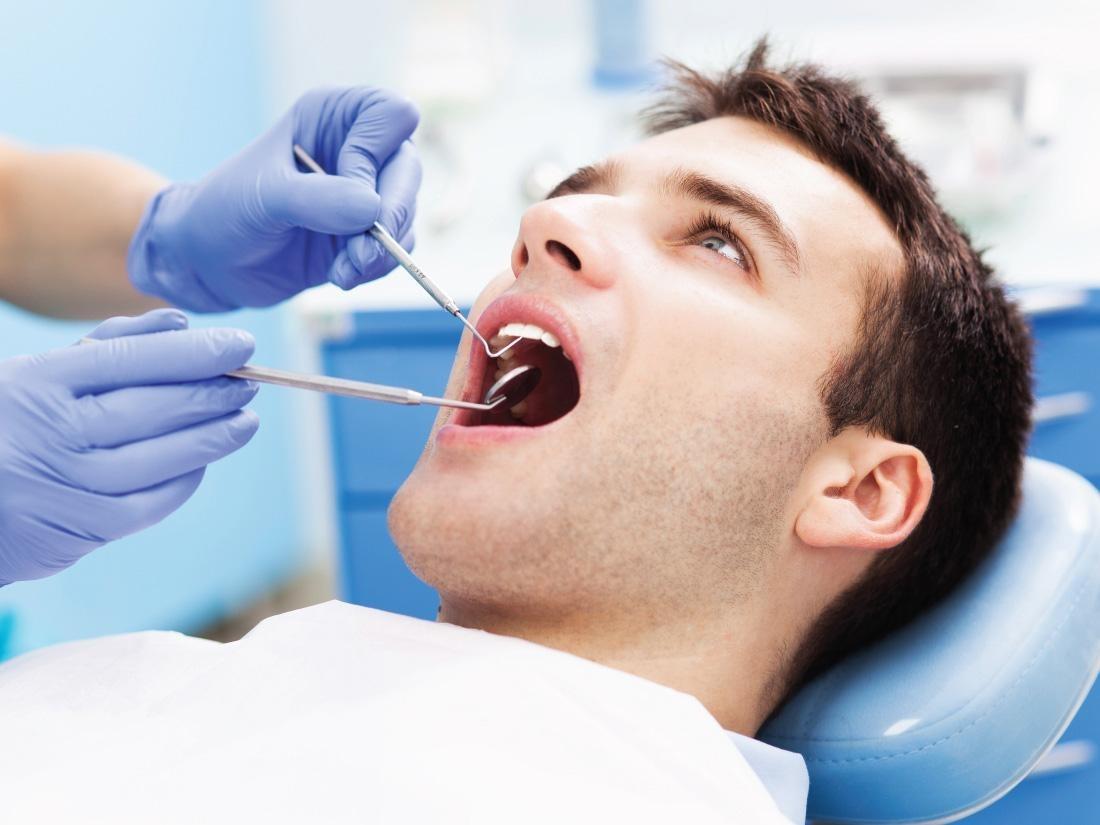
Modern dentistry moves fast. You see new tools, new rules, and new patient needs every year. General practices must adjust or fall behind. This blog shows how everyday offices keep up with modern innovation and protect your trust. You will see how common services, like cleanings and exams, now use digital tools that cut guesswork. You will also learn how local practices bring advanced care close to home. For example, many offices that offer dental crowns Wantagh now use scanners and design software that improve fit and comfort. These changes are not about hype. They are about clear images, strong materials, and safer choices. You deserve care that feels current and careful. You also deserve clear explanations about what has changed and why it matters. The next sections walk through five specific ways general dentists stay current so you know what to expect in the chair.
1. Digital X‑rays and 3D Imaging Replace Old Film
First, many offices now use digital X‑rays and 3D scans instead of film. This change protects your health and your time.
- Digital images use lower radiation, according to the U.S. Food and Drug Administration.
- Images show up on a screen in seconds. You see what your dentist sees.
- 3D scans help plan care for implants, root canals, and extractions.
This technology means fewer repeat X‑rays and fewer surprises. Your dentist can zoom in on a single tooth or see your full jaw. You can ask questions while the image is right in front of you. That builds trust and cuts fear.
Digital X‑rays vs Traditional Film X‑rays
| Feature | Digital X‑rays | Film X‑rays |
|---|---|---|
| Image speed | Seconds | Several minutes |
| Radiation exposure | Lower | Higher |
| Image sharing | Secure electronic transfer | Mail or physical pickup |
| Image quality | Easy to enlarge and adjust | Fixed size and contrast |
You get faster answers and clearer choices. Your child spends less time in the chair. Your older parent faces fewer repeat visits.
2. Same‑Day Restorations and Better Materials
Next, many practices use chairside design tools to create crowns, onlays, and some bridges in a single visit. A scanner maps your tooth. Then software designs a custom restoration. A small mill shapes it while you wait.
This approach offers three clear gains.
- You avoid a second visit for many crowns.
- You skip messy impression trays in many cases.
- You get strong ceramic materials that match nearby teeth.
Even when offices send work to a lab, they use modern materials that last longer under normal use. Research from the National Institute of Dental and Craniofacial Research shows that adults keep more natural teeth than past generations. Stronger restorations and better design play a role. When your dentist invests in these tools, you gain more comfort, more time at home, and fewer repeat repairs.
3. Teledentistry and Secure Messaging
Third, many general practices now use secure video and messaging for some visits. This does not replace hands‑on care. It supports it.
You may see teledentistry in three main ways.
- Quick checks after a filling or crown.
- Urgent questions about pain, swelling, or a broken tooth.
- Review of X‑rays or treatment plans when you want more clarity.
This helps families who juggle work, school, and care for older relatives. It helps people with limited transport or mobility. You can get clear advice on whether you need an in‑person visit now or if something can wait. That reduces fear and late‑night panic. It also helps your dentist see patterns in your health over time so care stays on track.
4. Modern Infection Control and Safer Offices
Fourth, general practices follow strict infection control rules that grow with new science. You may not see every step, yet you feel the result through a cleaner, calmer visit.
Current methods often include:
- Single‑use items for many tasks.
- High‑grade surface cleaners between patients.
- Improved air flow and filters in treatment rooms.
- Staff training that follows CDC guidelines.
These steps protect you from hidden threats. They also protect staff and other patients. You can ask to see how tools are cleaned. You can ask which products the office uses. A good practice answers without delay. Clear infection control is not a luxury. It is a base line that every family deserves.
5. Better Communication, Reminders, and Records
Finally, modern innovation shows up in how your dentist talks with you and tracks your care. Many offices use secure patient portals. You can see past visits, X‑rays, and treatment notes. You can download records for a new provider or a specialist.
Other tools include:
- Text or email reminders so you do not miss cleanings.
- Online forms that cut waiting room time.
- Clear printouts or digital plans that explain costs and steps.
This matters for one reason. Strong communication lowers surprise costs and last‑minute fear. When you know what will happen at your next visit, you are more likely to show up. When you understand how small steps prevent bigger problems, you are more likely to brush, floss, and keep recall visits. That protects your teeth, your bank account, and your peace of mind.
What This Means For You and Your Family
Innovation in general dentistry is not about gadgets. It is about trust, safety, and clear choices. Digital X‑rays cut exposure and guesswork. Chairside design tools give faster, stronger restorations. Secure video visits ease stress when life feels crowded. Strong infection control keeps you safe in the chair. Better records and reminders keep your whole family on track.
You can ask your dentist simple questions.
- Which digital tools do you use for X‑rays and records.
- How do you handle infection control between patients.
- Can I see my images on a screen while we talk.
- Do you offer teledentistry for follow up visits.
Clear answers show that the office respects your health and your fears. You deserve care that uses modern innovation with common sense and respect.