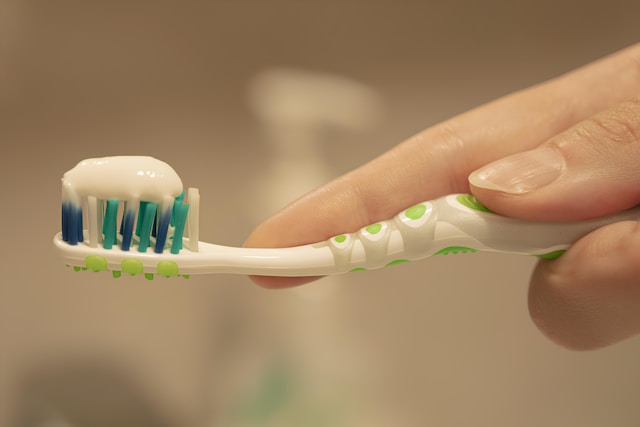
You use your toothbrush every day, but you may not think about when to replace it. A worn brush does not clean your teeth well. It leaves plaque on your gums. That can lead to pain, bleeding, and bad breath. Many people keep the same toothbrush for months or even years. They wait until the bristles look broken or the handle cracks. By then, the damage in your mouth has already started. This guide walks you through clear signs that your toothbrush is past its limit. You learn what dentists look for and how to spot trouble early. You also see how a simple switch can protect your smile, your breath, and your health. If you have any questions, you can always ask your dentist in Denton, TX for personal advice and support.
How Often Should You Replace Your Toothbrush
The American Dental Association says you should replace your toothbrush every three to four months. You might need a new one sooner if the bristles wear out fast or if you have been sick. A fresh brush removes more plaque and lowers your risk of tooth decay and gum disease. You give yourself a stronger defense every time you switch on time.
Here is a quick comparison to help you see the difference.
| Toothbrush Age | Bristle Condition | Cleaning Power | Germ Buildup Risk
|
|---|---|---|---|
| 0 to 3 months | Straight and firm | High | Low |
| 3 to 4 months | Starting to bend | Medium | Rising |
| Over 4 months | Frayed or flattened | Low | High |
You can read more about replacement timing from the American Dental Association at MouthHealthy Toothbrushes.
Sign 1 Bristles Look Frayed Bent Or Flattened
Your toothbrush bristles should stand straight. They should spring back when you press them. Once they spread out or look fuzzy, they stop reaching into the spaces between your teeth. They also scrub your gums in a rough way. That can cause gum soreness and small cuts.
Pay attention if you notice any of these changes.
- Bristles lean outward instead of straight up
- Tips look worn or split
- The head looks wider than when you bought it
If you see one of these signs, replace your toothbrush. Do not wait for all of them to show up. Your mouth needs steady care, not a worn tool.
Sign 2 You Have Been Sick Or Have Ongoing Illness
Germs from your body stay on your toothbrush after you use it. Most of the time your immune system handles them. After a cold, the flu, strep throat, or COVID, those germs can hang around on the bristles. That raises the chance of getting sick again or passing sickness to others who share the bathroom.
You should replace your toothbrush when you:
- Recover from a cold, flu, strep, COVID, or stomach bug
- Have a weak immune system from another health condition
- Share a toothbrush holder in a tight space
The Centers for Disease Control and Prevention explain that hand washing and clean surfaces lower the spread of germs. A fresh toothbrush fits into the same plan for your mouth.
Sign 3 You Notice More Bleeding Gums Or Bad Breath
Bleeding gums and bad breath can come from plaque and food stuck on your teeth. If your brushing has not changed but these problems grow, your toothbrush may not be doing its job. Weak bristles glide over plaque instead of removing it. The hidden film feeds bacteria that cause gum swelling and odor.
Watch for signs like:
- Gums that bleed each time you brush
- Bad taste in your mouth during the day
- Family members comment on your breath
You should replace your toothbrush and pay close attention for one or two weeks. If bleeding or bad breath continues, you should schedule a dental visit. Problems that last can point to gum disease or tooth decay that need treatment.
Sign 4 Your Brushing Habits Have Changed
Life changes change your mouth. A new diet, braces, pregnancy, quitting smoking, or new medicine can affect your teeth and gums. Your old brush may not match your new needs.
You might need a new toothbrush if you:
- Start or finish orthodontic treatment
- Begin high sugar snacks or sports drinks during long practices
- Notice a dry mouth from new medicine
In these cases, you might switch to a soft bristle brush, a smaller head, or an electric brush. Talk with your dentist about the best type for your mouth. A small change can prevent new problems from taking hold.
Sign 5 You Cannot Remember When You Last Replaced It
If you need to guess how old your toothbrush is, it is time for a new one. Memory fades. Routines slip. Your mouth carries the cost. You can protect yourself by building a simple plan.
Try these steps.
- Write the date on the handle with a marker when you open a new brush
- Set a reminder on your phone for every three months
- Buy extra brushes and store them where you see them
Children need help with this. They often chew on bristles, so their brushes wear out fast. You may need to replace their toothbrush every one to two months.
How To Choose Your Next Toothbrush
When you upgrade your toothbrush, you do not need a fancy gadget. You need a tool that feels good in your hand and is gentle on your gums. Dentists usually suggest:
- Soft bristles to protect your enamel and gums
- A small head that can reach the back teeth
- A handle that you can grip without strain
Electric brushes can help if you have trouble with hand strength or if your child rushes brushing. Many have timers that guide you to brush for two minutes. If cost is a concern, a simple manual brush used the right way still protects your teeth.
Make Toothbrush Changes A Family Routine
Your toothbrush is a small object with a large effect on your daily comfort. Old bristles invite plaque, odor, and pain. A new brush supports clean teeth and steady health.
You can protect your family by:
- Replacing every toothbrush at least every three to four months
- Swapping brushes after illness
- Watching for frayed bristles, sore gums, and bad breath
You deserve a mouth that feels clean and strong each day. You can start by looking at the toothbrush in your bathroom right now. If it shows any of these five signs, upgrade it today. Your next dental visit will likely feel easier, and your body will thank you in quiet but steady ways.