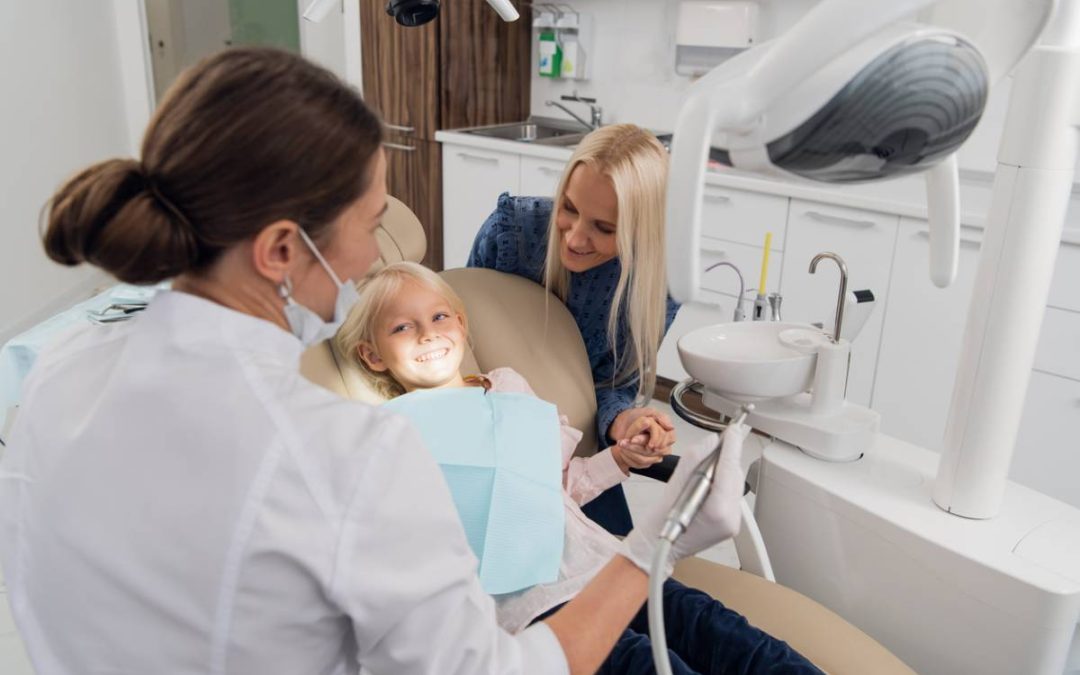
You might be feeling a quiet worry every time your child hides their smile in photos or fights you about brushing at night. Maybe you are doing your best with regular checkups and fluoride toothpaste, visiting a dentist in Cherry Hill, VA, yet you still wonder if you are missing something important. You want your family to have healthy, confident smiles, but the advice you hear often feels scattered and hard to put into real life.end
If that sounds familiar, you are not alone. Many parents carry a low-level stress about their children’s teeth. They worry about cavities, braces, and dental bills, and underneath all of that sits a deeper fear. Will my child feel embarrassed about their smile as they grow up.
The good news is that you do not need to be perfect. You just need a few steady family dentistry strategies that you repeat over time. This guide will walk you through five practical ways to build confident smiles at home and with your family dentist, from creating a calm routine, to choosing the right care, to helping your child feel safe in the chair.
So, where does that leave you right now. It means you can stop trying to do everything and focus on a handful of habits that truly matter for long term oral health and self confidence.
Why do confident smiles start long before the dental chair
It often starts with something small. A rushed bedtime, skipped brushing “just this once,” or a stressful visit where your child cried and you left feeling guilty and exhausted. Over time, these moments stack up. Brushing becomes a battle. Dental visits become something everyone dreads. You begin to hope that if you just get through the next appointment, things will somehow get better on their own.
Because of this tension, you might wonder if your child is already set on a path toward more cavities or fear of the dentist. You may also worry about the cost of future treatment. Fillings, crowns, or orthodontics can be expensive, and it is easy to feel like every missed flossing session is a step toward a bigger bill.
There is also an emotional cost. A child who feels anxious about their teeth might refuse to smile in school photos, cover their mouth when laughing, or avoid social situations. Those moments are painful to watch as a parent, because you know their smile is part of how they meet the world.
So what shifts the story. It usually changes when parents move from reacting to problems to building a simple, steady plan. A thoughtful family dental care strategy does three things. It reduces daily stress, it lowers the chances of future dental problems, and it helps your child feel safe, proud, and in control of their smile.
To do that, you need more than “brush and floss.” You need routines, language, and support that fit your real life.
What are the 5 family dentistry strategies that actually make a difference
Instead of trying to fix everything at once, think in terms of five connected strategies. Each one is simple on its own, yet together they create the foundation for truly confident family smiles.
1. Build a calm, predictable home routine
Children feel safer when they know what to expect. That includes dental care. A rushed, chaotic brushing routine teaches them that teeth are an afterthought. A calm, predictable one sends the opposite message.
What this can look like in real life.
- Morning and night brushing at roughly the same time every day.
- Using a small timer or a favorite two minute song so they know when they are “done.”
- Letting your child choose their toothbrush or toothpaste flavor within dentist approved options.
- Brushing together sometimes, so it feels shared rather than policed.
If your child resists, try shifting from “you have to brush” to “we are a family that takes care of our teeth.” It moves the focus from control to identity, which often lowers pushback.
2. Treat the dental office as a “dental home,” not just a place for emergencies
When a child only goes to the dentist for pain, they quickly learn to link the dental chair with fear. A more protective approach is to create what pediatric experts call a “dental home.” This is an ongoing, relationship based connection with a dentist who knows your child and your family, not just their teeth.
The American Academy of Pediatric Dentistry has guidance on what a true dental home can look like. You can review their overview of the concept here in the dental home guidelines. The main idea is simple. Regular, preventive visits starting early make care easier, cheaper, and less scary over time.
When you think of your dentist as a long term partner, you are more likely to ask questions early, get ahead of problems, and help your child see checkups as normal, not frightening.
3. Use child friendly language and honest preparation
Many parents try to protect their child by saying “it won’t hurt” or “it will be over in a second.” When the experience does not match the promise, trust is damaged.
Instead, use simple, honest, child friendly language. For example.
- “The dentist is going to count your teeth and clean away sugar bugs.”
- “You might feel a little tickle or a gentle push, and if you feel worried, you can squeeze my hand.”
- “If something feels strange, you can raise your hand and the dentist will pause.”
The American Academy of Pediatrics offers helpful guidance for parents on how to talk about oral health in everyday words. You can explore their oral health resources for families to find language and tips that match your child’s age.
Honest preparation builds trust. Trust builds confidence. Confidence makes the next visit easier than the last.
4. Focus on prevention to protect both smiles and budgets
It is easy to think of dental care as a series of “fixes.” A cavity appears, so you schedule a filling. A tooth breaks, so you arrange a crown. Over time, that reactive pattern is stressful and expensive.
Prevention shifts the focus to small steps that reduce the chance of bigger problems later. That can mean.
- Regular cleanings and exams on a predictable schedule.
- Fluoride treatments and sealants when recommended.
- Limiting sugary snacks and drinks between meals.
- Using water as the default drink, especially at night.
Many parents are surprised to learn how early cavities can form. The resources for parents from pediatric dental specialists explain how even baby teeth need careful attention. When you understand the “why,” it feels easier to stick with the daily “what.”
5. Support your child’s emotional experience, not just their teeth
A confident smile is not only about straight, white teeth. It is about how a child feels when they show those teeth to the world. That means paying attention to their emotions around dental care.
Consider small emotional supports like.
- Using a comfort item, such as a favorite stuffed animal, during appointments.
- Practicing “open wide” at home in a playful way so the movement feels familiar.
- Offering specific praise afterward. For example, “You stayed so still when the dentist counted your teeth. That took courage.”
- Checking in after the appointment. “What part felt easiest. What part was hardest.”
When a child feels seen and heard, they are more willing to try again next time. Over the years, this foundation can turn a fearful child into a young person who feels calm and in control in any dental chair.
How do these strategies compare to a “wait and see” approach
You might be wondering how much these strategies really matter. Is it worth the effort, or can you simply wait and deal with issues as they come up.
The table below compares a proactive family dentist approach with a more reactive “wait and see” pattern.
| Approach | Short term experience | Long term impact on health | Long term impact on confidence | Typical financial pattern |
|---|---|---|---|---|
| Proactive family dentistry strategies | More planning and routine now. Less crisis and pain visits. | Fewer cavities, earlier detection of problems, easier treatment. | Child feels prepared, trusted, and more relaxed in the chair. | More predictable preventive costs, fewer surprise large bills. |
| “Wait and see” reactive care | Less routine effort now. More last minute, urgent visits. | Higher risk of advanced decay, infections, and complex work. | Child links dentist with pain and fear, may avoid care later. | Lower costs at first, but higher risk of expensive treatments later. |
Seeing the comparison laid out makes it clearer why small, steady habits are worth your energy. You are not just protecting teeth. You are protecting your child’s comfort, confidence, and your family’s future choices.
What can you do this week to move toward confident family smiles
Big changes start with small, specific actions. You do not need to overhaul everything at once. Choose one or two steps that feel realistic for your family right now.
Step 1. Reset your home brushing routine
Pick one predictable time in the morning and one at night for brushing. Build a simple, repeatable flow.
- Set a two minute timer or play the same short song each time.
- Stand with your child for at least part of the brushing time, especially for younger kids.
- End with a quick positive comment such as “We took care of your teeth today. They are stronger because of that.”
Do this for one week. Notice how the mood shifts when the routine is clear and consistent.
Step 2. Schedule or confirm your next preventive visit
If it has been more than six months since your child’s last visit, reach out to your dentist and schedule a checkup. If you do not yet have a regular dentist for your child, use this as a chance to look for an office that welcomes families, explains things in simple terms, and focuses on prevention.
When you book, ask what to expect so you can prepare your child honestly. You might say, “The dentist is going to count and clean your teeth. We will be there together the whole time.”
Step 3. Choose one food or drink habit to adjust
Instead of trying to change your entire diet, pick one realistic shift that will protect your child’s teeth.
- Swap one sugary drink a day for water or milk.
- Keep sweets with meals, not as constant snacks between meals.
- Avoid sending your child to bed with a bottle or cup that contains anything other than water.
Small, steady changes are easier to keep up, and they still make a real difference over time.
Moving forward with more confidence and less stress
You care deeply about your child’s smile, and that care already puts you on a strong path. You do not need to become a dental expert or run a perfect household. You simply need to keep showing up, asking questions, and repeating the habits that protect your family’s teeth and confidence.
When you think in terms of a supportive dental home, honest preparation, calm routines, and prevention, you shift from feeling reactive and worried to feeling steady and informed. Over time, your child learns that their smile is something to be cared for, not feared or hidden.
If you would like more support as you go, you can explore trusted guidance from organizations that focus on children and oral health, and bring your questions to your next appointment. You and your child deserve care that feels safe, clear, and respectful at every step.