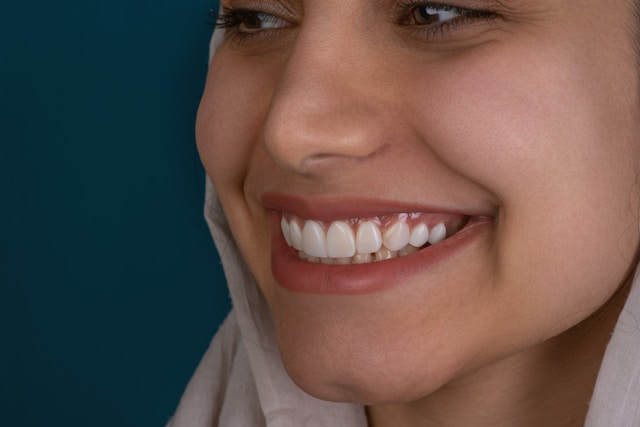
Smiles shape how you see each other at home and in public. You notice small chips, stains, or crooked teeth in photos. You worry your child hides their smile at school. You might even cover your mouth when you laugh. These moments build pressure. You want a safe plan that helps everyone, without guesswork or guilt. A trusted Woburn dentist can guide your family through simple cosmetic treatments that match real life. No flashy promises. Just clear steps. This blog walks through four common choices that parents and children often consider together. You learn what each treatment does. You see who it can help. You understand what to expect before you sit in the chair. You gain words to ask better questions and protect your family’s comfort, time, and money. You deserve steady support as you choose what feels right for your smiles.
1. Professional teeth whitening at the dental office
Teeth whitening is often the first step families ask about. Coffee, tea, sports drinks, and some medicines stain teeth over time. Whitening can lift many of these stains and bring back a brighter look.
The dentist checks your teeth and gums first. This visit helps rule out decay, gum disease, or enamel loss. You talk about your goals. You also talk about past tooth pain or sensitivity.
In the office, the team places a shield over your gums. They apply a whitening gel to your teeth. A light may help the gel work faster. You sit for short periods while the gel breaks up stains. Many people see a change in one visit.
Children and teens need extra care. A dentist may wait until most adult teeth are in. You can ask about gentle options and lower strength products. The American Dental Association explains that whitening is safest under direct dental care.
2. Tooth bonding for chips, gaps, and worn edges
Bonding helps with small flaws that bother you in photos or in the mirror. A fall from a bike. Chewing on ice. Grinding at night. These can leave a chip or a rough edge that feels sharp or looks uneven.
The dentist uses a tooth colored resin. First, they shape the tooth surface. Next, they place the resin and mold it to match the tooth. Then a light hardens the material. Last they smooth and polish it.
Bonding can help your child who chipped a front tooth. It can also help you if you have a small gap that catches your eye. You avoid shots in many bonding visits. You also keep more of your natural tooth.
However, bonding can stain over time from coffee, tea, or tobacco. It can also chip again if you bite hard objects. You protect bonded teeth by using a mouthguard in sports and not using teeth as tools.
3. Clear aligners or braces for crowded or crooked teeth
Alignment affects how teeth look and how they work. Crowding, overbite, underbite, or gaps can cause wear, jaw strain, and chewing problems. Straightening teeth is not only about looks. It can protect long-term oral health.
Families often compare clear aligners and braces. Each option has strengths. The right choice depends on age, bite, and how complex the case is. An orthodontic evaluation shows what is safe and realistic.
Comparison of common orthodontic options for families
| Treatment | Best for | Visible when smiling | Removable | Typical visit frequency
|
|---|---|---|---|---|
| Metal braces | Children and teens with moderate or complex bite issues | Yes | No | Every 4 to 8 weeks |
| Ceramic braces | Older teens and adults who want less noticeable brackets | Less | No | Every 4 to 8 weeks |
| Clear aligners | Teens and adults with mild to moderate crowding or spacing | Low | Yes | Every 6 to 10 weeks |
Clear aligners work well if you can wear them 20 to 22 hours each day. You remove them to eat and brush. This habit needs strong family support. Braces stay on, so they do not depend on memory. Yet braces need careful cleaning and can trap food.
4. Veneers for longer-lasting cosmetic change
Veneers are thin shells placed on the front of teeth. They can change color, shape, and length at the same time. Adults often choose veneers when they want a bigger shift than whitening or bonding can give.
The dentist removes a small amount of enamel from the front of each tooth. This step makes room for the veneer so the tooth does not look bulky. Next, the team takes impressions. You go home with temporary covers while a lab makes the final veneers. In a later visit, the dentist bonds each veneer in place.
Veneers can help with teeth that are worn, uneven, or deeply stained. They can also close small gaps. Yet veneers are not right for everyone. They are usually not done on growing children. They also require healthy gums and strong enamel.
You care for veneers as you care for natural teeth. You brush twice a day with fluoride toothpaste. You clean between your teeth daily. You see your dentist for regular exams and cleanings.
Talking as a family and planning next steps
Cosmetic choices can stir up strong feelings. A teen may feel shame about crowded teeth. A parent may feel regret about stains or chips. You do not need to carry those feelings alone.
Start with honest talks at home. Ask each person what bothers them the most about their smile. Ask what they hope will change. Listen without judgment. Then write down three shared goals.
- Protect oral health first
- Choose treatments that fit your budget and time
- Support each other during visits and home care
Then schedule a family visit with your dentist. Bring your questions. Ask about safety, cost, length of treatment, and expected results. Request pictures of similar cases when possible. You can also ask whether any change can wait.
You have the right to clear facts, slow choices, and respectful care. With steady guidance and open talks, your family can choose cosmetic treatments that protect health and restore confidence for every person in the home.