You might be feeling a little torn about your dental visits right now. Maybe you have a reminder card sitting on your fridge, or a text from your dentist you keep snoozing. Part of you knows you “should” go every six months, yet life gets busy, money is tight, and if nothing hurts, it is easy to push that appointment off again. Livermore dental implants end
Then there is the other side. A tooth twinge when you drink something cold. Gums that bleed a bit when you floss. A nagging worry in the back of your mind that you are missing something important, and that if you wait too long, the problem might be bigger, more painful, and more expensive.
That tension makes sense. Many people feel it. The short version is this. Scheduling biannual visits with a general dentist is not just a “nice to have.” It is one of the simplest ways to prevent serious dental problems, protect your overall health, and save yourself time, money, and worry in the long run.
So where does that leave you? It helps to understand what those twice a year visits actually do for you, and why they matter even when your teeth feel fine.
Why do regular general dentist visits matter when nothing hurts?
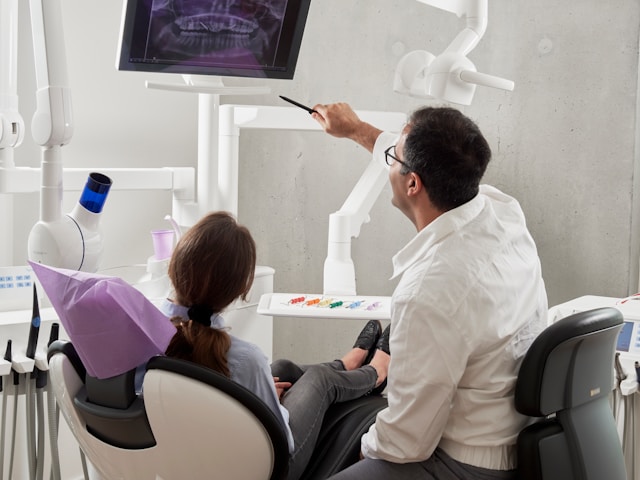
On the surface, a routine dental exam can look simple. A cleaning, a look around, maybe X rays. Yet there is much more going on. During a standard dental exam, the team is checking your teeth, gums, tongue, jaw, and even your bite. They are looking for early signs of decay, gum disease, infection, and oral cancer, often long before you would notice anything on your own.
The problem is that dental issues tend to start quietly. Early cavities do not always hurt. Gum disease can progress for months with only mild bleeding. By the time pain shows up, the damage is usually more advanced, which means more complex treatment, more appointments, and higher bills.
Imagine two people. One goes in for a routine checkup with a general dentist every six months. A small cavity is caught on an X ray and treated with a simple filling. The other skips visits for three or four years. That same cavity grows, reaches the nerve, and now they need a root canal and crown. The first person spends less time in the chair, less money, and has less anxiety. The second person feels blindsided.
Because of this pattern, those biannual visits are not about scolding you about flossing. They are about staying ahead of problems while they are still small, easy to treat, and far less stressful.
Benefit 1. Preventing major dental problems before they start
The first big benefit of keeping your twice yearly appointments is prevention. Professional cleanings remove hardened plaque, called tartar, that brushing and flossing at home cannot clear. When tartar builds up, bacteria sit against your teeth and gums, which can lead to cavities and gum disease.
During your visit, the dentist also checks for early warning signs of problems like tooth decay and gum inflammation. According to patient information on tooth decay and cavities, decay often starts in the enamel and moves inward over time. Catching it early means a small filling instead of a large restoration or tooth loss.
So even if you are brushing twice a day, those professional cleanings and exams give you a safety net. They cover the spots you miss, and they catch issues that are not visible or painful yet.
Benefit 2. Protecting your overall health, not just your smile
The second key benefit is about more than your teeth. Your mouth is closely connected to the rest of your body. Ongoing gum disease has been linked to higher risks of heart disease, diabetes complications, and other health issues. Inflammation in your gums can be a sign that something bigger is going on, or it can feed inflammation elsewhere in your body.
Good oral care at home, combined with regular visits to a general dentist, reduces that ongoing inflammation. The National Institute of Dental and Craniofacial Research explains how daily brushing and flossing, along with routine professional care, support long term health in its guide on oral hygiene.
There is another layer here too. A dentist often spots signs of other conditions during a routine exam. Changes in your mouth can point to nutritional issues, dry mouth from medications, or early signs of an immune problem. That early awareness can guide you to talk with a medical doctor sooner, instead of waiting until symptoms become harder to manage.
Benefit 3. Saving money, time, and stress over the long run
The third benefit is very practical. Regular care usually costs less than crisis care. A standard exam and cleaning twice a year is predictable. A sudden emergency visit for a broken tooth, abscess, or severe pain is not, and often comes with higher treatment costs and time away from work or family.
Think about the difference between changing the oil in your car on schedule and waiting until the engine light comes on. Routine maintenance is rarely fun, yet it avoids breakdowns that are far more expensive and stressful. Your teeth work in a similar way.
There is also the emotional side. Dental emergencies can be frightening. Pain, swelling, or infection often mean urgent decisions and fast treatment. When you keep up with your biannual appointments, you lower the chances of facing those situations. You gain a sense of control, which can ease a lot of the anxiety many people quietly carry about their teeth.
How do regular visits compare to waiting until something hurts?
If you are still unsure whether you can justify the time or cost of twice yearly visits, it can help to see how the two paths usually play out over time. Every person is different, yet there are clear patterns.
| Approach | What usually happens | Typical costs over time | Emotional impact |
|---|---|---|---|
| Biannual general dentistry visits | Problems caught early. More cleanings and small fillings. Less advanced treatment. | More frequent small bills that are easier to predict. Often lower total cost over years. | Less fear of sudden pain. Greater sense of control and trust with your dentist. |
| Waiting until there is pain | Issues discovered later. More root canals, extractions, and urgent visits. | Fewer visits at first, followed by large, unexpected costs and more time off work. | Higher anxiety. Fear of emergencies and feeling “behind” on care. |
So where does this leave you when you are trying to decide what to do next with your own care?
What can you do right now to make biannual visits work for you?
You do not have to overhaul your entire routine to benefit from regular visits to a general dentist. A few clear steps can make a real difference.
1. Put your next two appointments on the calendar now
Instead of waiting until “things calm down,” call your dental office and schedule your next cleaning and exam, then schedule the one after that six months later. Treat those times like you would a work meeting or a school event. Once they are on the calendar, you are more likely to go, and you remove the mental load of deciding each time.
2. Be honest about your worries and your budget
If cost, anxiety, or past bad experiences are holding you back, say so when you book. Many offices can review your insurance benefits, spread out treatment, or explain options in plain language. When your dentist understands your concerns, they can adjust the plan, slow down, or offer numbing and comfort measures that match what you need.
3. Support those visits with simple daily habits
Twice yearly visits work best when you pair them with steady care at home. Brush twice a day with fluoride toothpaste, floss once a day, and limit sugary snacks and drinks between meals. These habits make your appointments easier, shorten your time in the chair, and help your dentist focus on fine tuning your health instead of putting out fires.
Moving forward with more confidence in your dental care
You do not need to become obsessed with your teeth or feel guilty about the past. What matters most is the step you take next. Biannual general dentistry visits are a simple, steady way to protect your health, reduce the risk of painful surprises, and give yourself one less thing to worry about in an already busy life.
If you have been putting off that appointment, consider this a gentle nudge to reach out to a general dentist, get your next visit on the books, and give yourself the peace of mind that comes from knowing you are not facing your dental health alone.