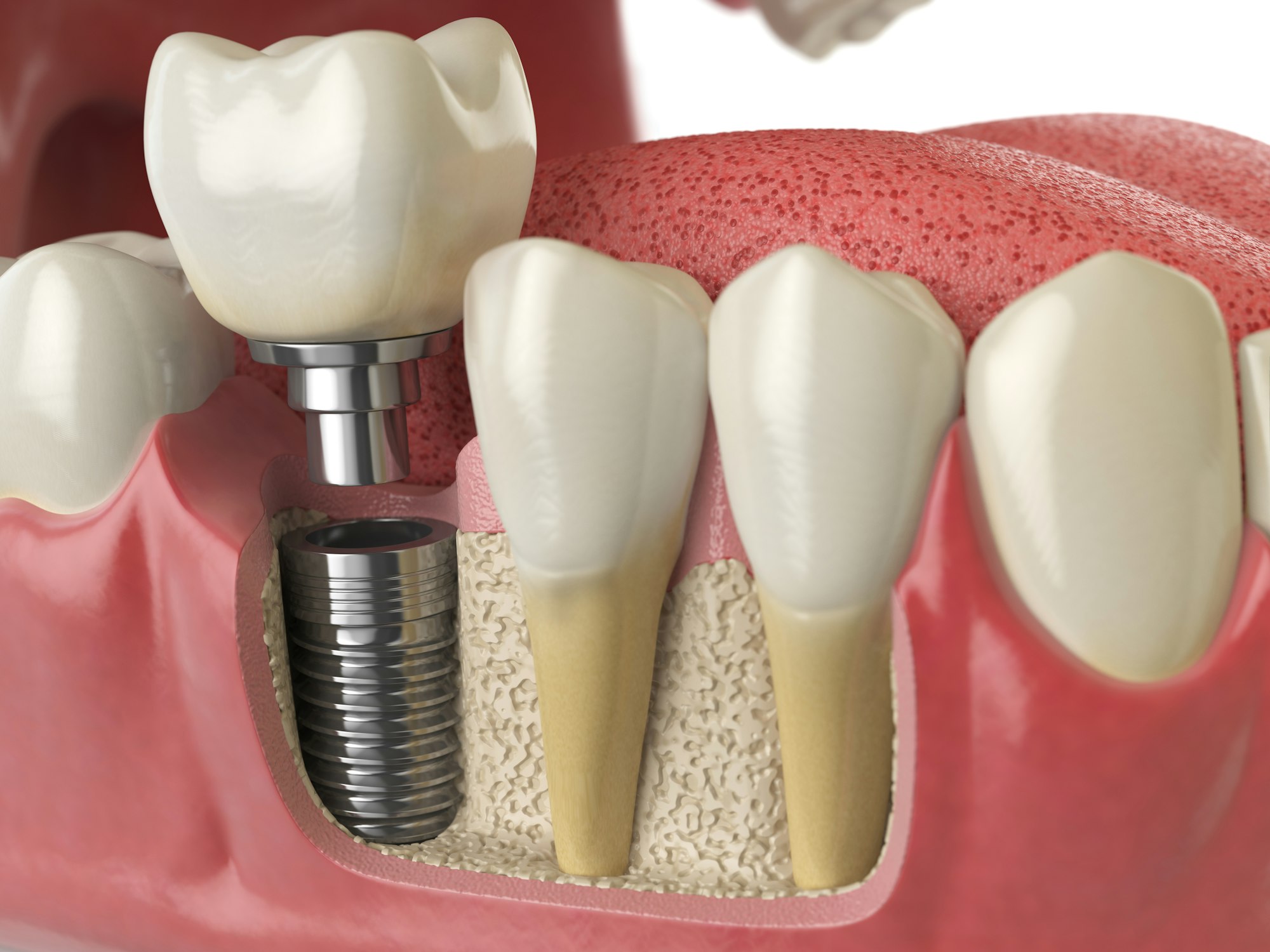
Missing teeth change how you eat, speak, and feel about your smile. You may start to avoid photos. You may chew on one side. Your jaw can shift. Your face can sink. Crowns and bridges give you a strong way to stop that slide. These treatments protect weak teeth. They also fill empty spaces where teeth are gone. You get function back. You also gain a calm sense of control. A cosmetic dentist in South Holland, IL can use crowns and bridges to support your daily life. You will see the difference each time you bite, talk, and laugh. This blog explains three key advantages that matter to your health, your comfort, and your confidence. You will see how these treatments help you protect the teeth you have, replace the ones you lost, and steady your mouth for the long term.
1. You Protect Weak Teeth And Prevent Bigger Problems
A crown covers a damaged tooth like a strong shell. It holds cracked parts together. It also shields worn or broken teeth from more harm. You keep the root. You keep the natural grip in your jaw. You avoid removal when possible.
Here is what a crown helps you do:
- Save teeth after large fillings or root canal treatment
- Stop cracks from spreading
- Restore height when teeth grind down
The National Institute of Dental and Craniofacial Research explains that tooth loss often starts with untreated decay and gum disease. Early repair lowers that risk.
When you choose a crown, you keep the tooth in place. That choice helps your bite stay steady. It also protects your gums from more stress. You lower the chance of sudden pain. You also lower the chance of an urgent visit for a broken tooth.
2. You Restore Your Bite And Protect Your Jaw
A bridge fills the space left by one or more missing teeth. It connects to teeth next to the gap or to implants. This new row lets you chew across your full mouth again. It also keeps nearby teeth from drifting into the space.
Without a bridge or other replacement, you may notice three changes:
- Teeth tilt and twist toward empty spaces
- Your bite no longer lines up
- Your jaw joint works harder on one side
Over time, that shift can lead to jaw pain, worn teeth, and headaches. It can also affect how well you chew food. That can affect your nutrition and your energy. The Centers for Disease Control and Prevention notes that tooth loss is connected with trouble eating and with other health problems.
Crowns and bridges work together to fight these changes. A crown improves the strength and shape of a weak tooth that supports a bridge. The bridge then fills the gap. You gain three clear benefits.
- You chew on both sides again.
- You spread pressure evenly across your teeth.
- You help your jaw joint move in a natural path.
This steady pattern protects your joints. It also protects the teeth that remain. It keeps small bite problems from turning into daily pain.
3. You Support Your Speech, Appearance, and Self-Respect
Missing or badly damaged teeth affect how you speak. Air and tongue placement change. Certain sounds like “s” and “th” become hard. You may mumble to hide it. You may speak less in groups. That silence can spill into work, school, and family life.
Crowns and bridges return the shape of your teeth. They also return the support for your lips and cheeks. That support affects three big parts of your life.
- Your speech grows clearer.
- Your face keeps a fuller shape.
- Your smile feels safe to show.
When you know your teeth will not slip or break, your body relaxes. You can eat in public without fear. You can smile in family photos without turning away. You can laugh without covering your mouth. That sense of safety has strong emotional power.
Children and teens feel this stress as well. Parents who model strong oral care and repair set a clear message. Damage is not a shame. It is a health condition you can treat.
How Crowns And Bridges Compare
Crowns and bridges often work together. Still, they serve different roles. This table gives a simple comparison you can use in a talk with your dentist.
| Feature | Crown | Bridge
|
|---|---|---|
| Main purpose | Cover and protect a damaged tooth | Replace one or more missing teeth |
| What it attaches to | Single existing tooth or implant | Teeth or implants on each side of a gap |
| Helps with chewing | Restores strength to one tooth | Restores chewing across the empty space |
| Helps with speech | Improves sound if front tooth is treated | Improves sound where teeth are missing |
| Main benefit | Preserves and protects natural tooth | Prevents shifting and fills the smile |
What To Expect When You Choose Crowns Or Bridges
The process is simple for most people. You can expect three main steps.
- First visit. Your dentist checks your teeth, gums, and bite. X-rays may guide the plan.
- Tooth shaping and model. The teeth that will hold a crown or bridge are shaped. A scan or mold records their new form.
- Placement. A lab makes the crown or bridge. At the next visit, your dentist tests the fit, adjusts it, and then cements it in place.
You keep your results by brushing twice each day, cleaning between your teeth, and seeing your dentist on a regular schedule. You also protect your work when you limit sugary drinks and avoid using your teeth to open packages or bite hard objects.
Taking The Next Step
If you live with pain, gaps, or broken teeth, you do not need to wait. Crowns and bridges give you a clear path back to steady chewing, clear speech, and a smile you trust. You protect what you still have. You replace what you lost. You regain control of daily life, one bite at a time.