You might be feeling stuck right now. Maybe you have a missing tooth that affects how you smile, or a denture that never quite feels secure, or you are tired of avoiding certain foods because you are worried something will slip or break. You have probably heard that dental implants can fix a lot of this, and that working with Periodontists in Minnesota can help you sort through your choices, yet once you start researching, it quickly turns into a maze of options, opinions, and price points.end
Because of this, you might be wondering if it really matters who places the implant. A general dentist, a periodontist, an oral surgeon, a prosthodontist. The titles alone can feel overwhelming when all you want is a safe, long-term solution that you do not regret later.
Here is the short version. Choosing a specialist such as a periodontist or an implant-focused dentist often means more precise planning, lower risk of complications, and a better chance that your implant will look, feel, and function like a natural tooth for many years. You still need to ask questions and understand your options, but you do not have to navigate this blind.
So where does that leave you when you are trying to decide who should handle your implant surgery.
Why does the person placing your implant matter so much?
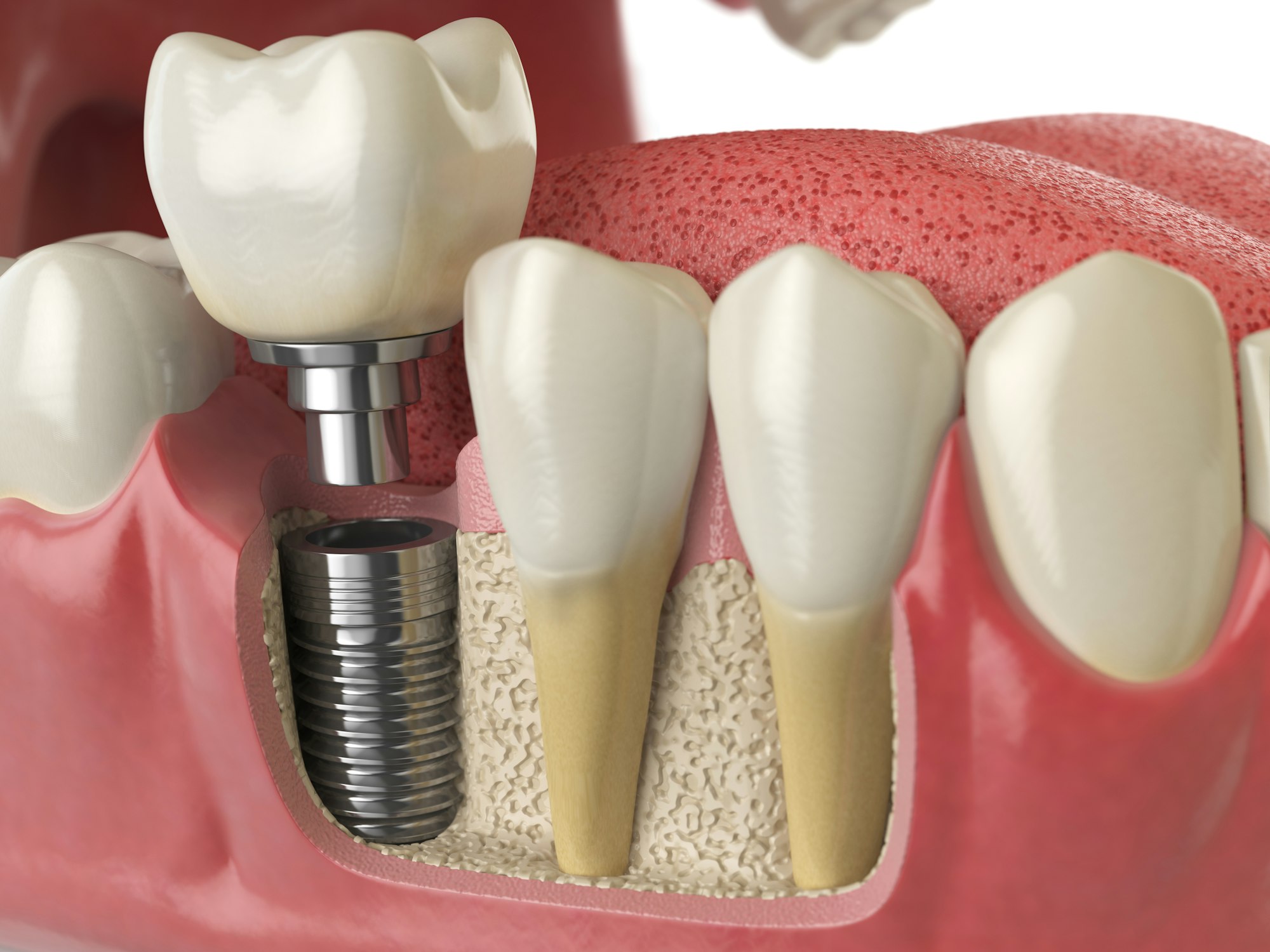
Dental implants sound simple. A tiny screw in the bone, a crown on top, and you are done. In reality, implant placement is a surgical procedure that depends on bone quality, gum health, bite alignment, and careful planning. When any of those pieces is off, you can end up with an implant that fails early, looks unnatural, or causes pain when you chew.
Specialists such as periodontists and oral surgeons go through years of additional training focused on the bone and gum structures that support your teeth. Prosthodontists focus on how your teeth come together and how to restore your smile so it looks and functions naturally. Professional groups like the American College of Prosthodontists explain that implants are highly predictable when they are properly planned and placed in the right conditions, which you can see in their dental implants position statement.
If a general dentist offers implants, it does not automatically mean they are unqualified. Many have advanced training and work closely with specialists. The concern is when someone with limited surgical experience tries to handle complex implant cases alone. That is where problems tend to show up months or years later, when fixing them is harder and more expensive.
So what specific advantages do you get when you choose a specialist for implant placement.
Advantage 1: Better planning can mean safer and more predictable surgery
Implant success begins long before the day of surgery. A specialist will typically spend significant time on diagnosis and planning. This often includes 3D scans, detailed measurements of your bone, and an evaluation of your gums, bite, and medical history.
Because of this, they are more likely to notice issues that could cause trouble later. For example, thin bone in the front of the mouth, a sinus cavity that sits low in the upper jaw, or gum recession that would leave metal showing if the implant is not placed in exactly the right position.
Organizations like the American Association of Oral and Maxillofacial Surgeons emphasize this careful planning and patient selection in their educational materials, for example in their dental implant information sheet. The message is consistent. When planning is thorough, implants tend to be safer and more predictable.
Imagine two scenarios. In the first, your provider takes a quick 2D X-ray, glances at your mouth, and schedules surgery. In the second, your periodontist reviews a 3D scan, checks your medical conditions and medications, measures your bone, and discusses whether you need bone grafting before or during implant placement. Which scenario feels more reassuring to you.
This careful planning is one of the biggest reasons people choose a specialist for implant placement instead of the quickest or cheapest option.
Advantage 2: Managing complications and medical risks more confidently
Even with perfect planning, surgery always carries some risk. Infection, nerve irritation, implant failure, and sinus issues are rare but possible. A specialist is trained not only to reduce these risks, but also to recognize early warning signs and step in quickly if something is off.
Many patients have medical conditions that make surgery more complex. Diabetes, osteoporosis, blood thinners, autoimmune conditions, or a history of head and neck radiation can all affect how your body heals and how likely an implant is to succeed. The medical reference StatPearls on dental implant restoration discusses how these systemic factors influence treatment planning and risk.
A periodontist or oral surgeon spends much of their training on exactly these kinds of situations. They learn how to adjust the plan or even recommend against an implant if the risk is too high. That honesty can be frustrating in the moment, yet it protects you from going through surgery that was never likely to succeed.
So if something unexpected does happen during surgery or healing, a specialist is usually more comfortable managing it without panic. That kind of calm, informed response can make a big difference in your outcome and your peace of mind.
Advantage 3: A more natural, long-lasting result for your smile and bite
An implant is not just a screw in bone. It is the foundation for a tooth that you will see every time you smile and feel every time you chew. Placement that is even slightly off can lead to a crown that looks too long, gums that do not match, or bite pressure that is uneven and uncomfortable.
This is where coordination between your periodontist and implant dentist or prosthodontist really matters. The surgical specialist focuses on ideal position in the bone. The restoring dentist focuses on how the final tooth should look and function. When they plan together, your result is more likely to feel like a natural part of your mouth instead of a foreign object you are always aware of.
Over time, good positioning and healthy gums also protect your investment. Poorly placed implants can collect plaque, irritate the gums, and lead to bone loss around the implant. When that happens, you can face expensive repairs or even removal. Choosing a specialist upfront is often less expensive than trying to fix major problems later.
So if what you want is a stable, comfortable tooth replacement that blends into your smile and holds up over many years, a specialist-driven approach strongly supports that goal.
How do the risks and benefits compare when choosing a specialist?
When you are already anxious, it can help to see the differences laid out clearly. The table below is a general comparison and not a judgment of any individual dentist. Some general dentists have advanced implant training and some specialists may be newer in practice. This is meant to guide your questions and thinking.
| Factor | Specialist (Periodontist / Oral Surgeon / Prosthodontist) | Non-specialist with limited implant training |
|---|---|---|
| Training in surgery and bone/gum health | Several additional years of focused residency and surgical experience | Often weekend or short courses, variable depth of experience |
| Planning tools and diagnostics | More likely to use 3D scans, guided surgery, and detailed measurements | May rely mainly on 2D X-rays and basic measurements |
| Handling complex cases | Trained to manage low bone, sinus issues, medical conditions | May refer out complex cases or attempt them with higher risk |
| Complication management | Comfortable managing surgical complications and failures | More likely to need referral if problems arise |
| Long-term esthetics and bite | Closer coordination with restoring dentist for natural look and function | Outcome can depend heavily on individual skill and planning |
| Upfront cost | Sometimes higher, but often reflects planning and expertise | May be lower initially, but repair costs can be higher if issues occur |
Seeing it this way, you can ask yourself. Are you more concerned about the lowest short-term cost, or about lowering the chances of painful, expensive problems in the future.
What can you do right now to make a safer, smarter implant choice?
You do not need to become an implant expert to protect yourself. A few focused steps can shift you from feeling overwhelmed to feeling prepared.
1. Ask directly about training and how many implants they place each year
When you meet any provider, ask simple, honest questions. How many implants do you place in a typical month or year. Do you have residency or specialty training in periodontics, oral surgery, or prosthodontics. How often do you work on cases like mine.
A confident provider will not be offended. They will answer clearly, explain their background, and tell you when they bring in other specialists. You are not being demanding. You are doing basic due diligence for a surgical procedure.
2. Request a clear treatment plan that includes risks, alternatives, and costs
Before you agree to anything, ask for a written plan. This should include the steps of treatment, whether you need bone grafting, expected healing time, and total estimated cost. Also ask what could go wrong and how those situations are handled.
If someone brushes off your questions or cannot explain things in a way you understand, that is a red flag. A good specialist or implant dentist will be patient, answer clearly, and make sure you feel informed before you sign anything.
3. Seek a second opinion from a recognized implant specialist
If you are unsure about a recommendation, get a second opinion from a periodontist, oral surgeon, or prosthodontist who routinely handles implants. Bring your X-rays or scans if you have them, along with your treatment estimate.
A second opinion does not mean you mistrust your first dentist. It is simply a way to cross-check the plan, especially if your case involves bone loss, multiple missing teeth, or significant medical issues. When both opinions align, you gain confidence. When they differ, you have more information to decide what feels safest and most reasonable.
Moving forward with more confidence and less fear
You do not have to rush this decision. Tooth loss, pain, and embarrassment about your smile can weigh on you, yet taking a little extra time to choose the right person for implant placement can spare you years of worry and regret.
Choosing a dental implant specialist such as a periodontist, oral surgeon, or prosthodontist often means more careful planning, safer surgery, and a result that looks and feels like it truly belongs in your mouth. You still have a voice in the process. Your questions, your comfort level, and your instincts matter.
From here, your best next step is simple. Identify one or two specialists in your area, schedule consultations, and bring your questions. You deserve clear answers, realistic expectations, and a treatment plan that respects both your health and your budget.
You have already done something important by educating yourself. Now you can move forward with your implant decision with more calm, more clarity, and a much stronger chance of a result you can trust for years to come.