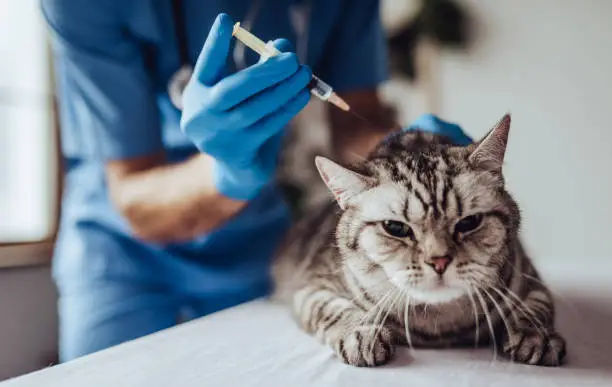
Vaccinations are a key service at animal hospitals. They help shield your pets from sickness and provide peace of mind. The Louisville vet knows protecting pets is crucial for their long, healthy lives. Vaccines help reduce the spread of diseases among animals and humans. By getting your pets vaccinated, you help keep them and your community healthy. Vaccines can prevent illnesses like rabies and distemper. These threats can be serious and costly if ignored. Animal hospitals follow vaccination schedules tailored to your pet’s needs, ensuring thorough protection. The staff at these hospitals are devoted to your pet’s health. They deliver vaccines with care and expertise. Vaccinations are not just about individual protection. They contribute to a safer world for pets and their owners. This vital service is part of an ongoing commitment to your pet’s well-being. Trust your local vet to keep your beloved animals safe and healthy.
Importance for Pets and Owners
Vaccinations act as a barrier against common and severe diseases. They help avoid unnecessary suffering and high medical costs. Pets rely on you for their health and protection. By vaccinating them, you provide a layer of safety that can save their lives. Rabies, for example, is deadly and can be transferred to humans. Vaccinating your pets helps prevent this danger. Distemper and parvovirus are other illnesses that pose significant risks. These diseases can be prevented with timely vaccinations. This protection extends beyond your home. It ensures a safer community for everyone.
Understanding the Vaccination Schedule
Animal hospitals follow specific schedules to vaccinate pets. These schedules ensure that pets receive proper protection during their most vulnerable phases. Here is a typical vaccination schedule for dogs and cats:
| Pet Type | Vaccine | Age of Administration |
|---|---|---|
| Dog | Distemper, Parvovirus | 6-8 weeks |
| Dog | Rabies | 12-16 weeks |
| Cat | Feline Distemper | 6-8 weeks |
| Cat | Rabies | 12-16 weeks |
These schedules help protect pets from early on. Vaccines must be administered at key times to ensure maximum effectiveness. Regular booster shots are also necessary. They maintain immunity and adapt to changing health needs.
Benefits Beyond Individual Protection
Vaccinating pets creates a safer environment for everyone. It significantly reduces the spread of contagious diseases. This is crucial in public spaces, like parks and daycare centers for animals. Herd immunity is a concept often discussed in public health. It applies to animals as well. The more pets vaccinated, the lower the risk of disease outbreaks. This proactive approach saves money and lives.
Expert Care and Guidance
Animal hospitals provide vaccines with professionalism and precision. Their staff is trained to handle pets with care. They know how to make the vaccination process as stress-free as possible. This allows you to focus on keeping your pet calm and comfortable. Trust in the expertise of your vet ensures your pet gets the best care possible.
Addressing Concerns
Some pet owners worry about the safety of vaccines. It’s important to understand that vaccines undergo rigorous testing. They are deemed safe and effective by professionals. Animal hospitals address any concerns you might have. They provide clear information about the benefits and risks. For more detailed information, you can visit the Centers for Disease Control and Prevention. This source offers reliable information about pet health and vaccinations.
Final Thoughts
Vaccinating your pets is a key responsibility. It ensures their health and contributes to public safety. Animal hospitals are committed to offering this service effectively. Trust their expertise to keep your pets healthy. Your actions today help build a healthier tomorrow for everyone. Make sure your pets are vaccinated and protected. It’s a step that reflects a deep care for your pets and the community.