The Critical Role of Proper Footwear in Artistic Gymnastics
Gymnastics is a sport defined by precision, power, and extreme physical demand. While many spectators focus on the leotards or the chalk, the footwear worn by athletes plays a pivotal role in both safety and execution. Whether you are practicing on the vault or performing a complex floor routine, your shoes serve as the primary interface between your body and the apparatus. Unlike standard athletic sneakers, gymnastics shoes are designed to provide a specific balance of protection, flexibility, and traction.
High quality footwear helps to dampen the impact on the metatarsals and heels during landings, reducing the cumulative stress that can lead to overuse injuries. As these shoes age, the materials inevitably break down, losing their ability to protect the athlete. Recognizing when your equipment has reached the end of its functional life is a skill every gymnast and coach should master. Investing in premium gear from a trusted supplier like Gymnastics Express ensures that you are starting with equipment designed for the rigors of the sport.
Visible Wear and Tear Indicators
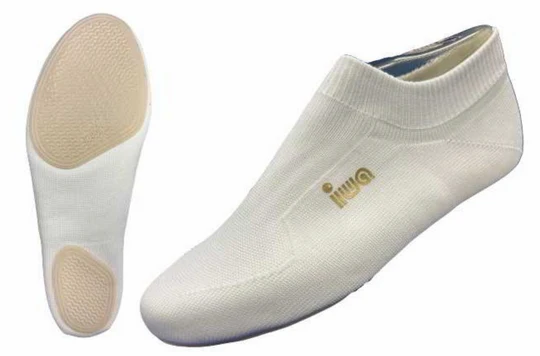
The most obvious signs that it is time for a replacement are found through a simple visual inspection. You should regularly examine the soles and the upper material of your shoes for signs of degradation. In many gymnastics shoes, the sole is made of thin rubber or specialized synthetic material designed to provide grip without adding bulk. If you notice that the tread has smoothed out completely or if there are visible holes in the bottom, the shoes can no longer provide the necessary friction required for safe movements.
Another common visual indicator is the separation of the sole from the upper body of the shoe. This delamination often occurs at the toes or the heel, which are the areas subject to the most significant shearing forces during pivots and landings. Furthermore, look for fraying at the seams or thinning of the fabric on the top of the foot. When the structural stitching begins to fail, the shoe loses its ability to stay securely on the foot, which can lead to dangerous slips during high speed maneuvers.
Assessing Structural Integrity and Support
Beyond the surface level damage, the internal structure of the shoe is what provides the necessary support for a gymnast’s arches and ankles. Over time, the foam or padding inside the shoe compresses and loses its resilience. This process, known as packing out, means the shoe no longer absorbs impact effectively. You can test this by pressing your thumb into the heel cushion. If the material feels hard or does not bounce back quickly, the shock absorption properties have been compromised.
Lateral support is equally important. In gymnastics, athletes frequently move in multiple planes, requiring the shoe to hold the foot firmly in place during sideways movements. If you find that your foot is sliding around inside the shoe even when the elastics or straps are tight, the material has likely stretched beyond its functional limit. When searching for a replacement, looking at the selection at Gymnastics Express can help you find models that prioritize midfoot stability and heel lockdown.
The Impact of Worn Shoes on Performance and Safety
Continuing to train in worn out shoes is not just a matter of discomfort; it is a significant safety risk. The loss of grip is perhaps the most immediate danger. A gymnast who slips during a vault run or loses traction on a beam transition faces a high risk of acute injury. Furthermore, the lack of cushioning increases the load on the joints. Statistics from sports medicine studies indicate that consistent training on degraded footwear contributes to a higher incidence of stress fractures in the small bones of the foot.
Performance also suffers when footwear is past its prime. Precision in gymnastics requires a tactile connection to the floor. When a shoe is stretched out or the sole is unevenly worn, the athlete loses the ability to feel the surface accurately. This can lead to slight misalignments during landings, which judges will quickly penalize. Fresh shoes provide the crisp response and reliable grip needed to execute difficult skills with total confidence.
Understanding Material Longevity and Grip Quality
The life expectancy of gymnastics shoes varies significantly depending on the materials used in their construction. Leather shoes tend to be more durable and offer a custom fit as they mold to the foot, but they can stretch excessively if they become damp with sweat. Synthetic materials are often lighter and retain their shape better, but they may lack the long term durability of high grade leather. The grip quality is largely determined by the composition of the rubber or suede on the outsole.
1. Suede soles offer excellent slide and turn capabilities on wooden floors but may wear down quickly on abrasive mats.
2. Rubber soles provide maximum traction for vaulting and floor exercise but can sometimes be too grippy for certain types of turns.
3. Microfiber uppers provide a balance of breathability and strength, making them popular for competitive athletes.
Understanding these material differences allows you to choose a shoe that matches your specific discipline. When you browse the Top Signs It’s Time to Replace Your Gymnastics Shoes at Gymnastics Express, you can compare different material technologies to see which fits your training environment best.
Determining the Right Replacement Schedule
There is no one size fits all timeline for replacing gymnastics shoes, as the frequency depends on several factors. A high level competitive gymnast training twenty hours a week will naturally cycle through shoes much faster than a recreational athlete attending classes once a week. However, as a general rule, competitive athletes should evaluate their shoes every three to four months.
1. Frequency of training: More hours on the floor leads to faster material fatigue.
2. Body weight and power: Heavier or more powerful gymnasts exert more force on their shoes, accelerating wear.
3. Surface types: Training on older, more abrasive mats will wear down soles faster than training on modern, high quality surfaces.
4. Skill level: As skills become more advanced, the precision required from the footwear increases, necessitating more frequent replacements.
Essential Features to Seek in Your Next Pair
When it is finally time to purchase new equipment, you should look for features that specifically address the weaknesses of your previous pair. Technology in gymnastics footwear has advanced, and modern designs offer better protection than ever before. Look for shoes that feature reinforced toe boxes, as this is a high wear area for most gymnasts.
1. Integrated elastic inserts: These ensure a snug fit that adapts to the movement of the foot during extension.
2. Padded heel cups: Essential for protecting against bruised heels during landings.
3. Breathable mesh panels: These help manage moisture, which prevents the breakdown of internal materials and reduces odor.
4. Non slip outsoles: Look for specialized patterns that provide grip in all directions.
Selecting a reputable retailer like Gymnastics Express ensures that you have access to the latest innovations from top brands in the industry.
Sizing and Fit Considerations for Maximum Control
One of the most common mistakes gymnasts make is choosing the wrong size. Unlike everyday shoes, gymnastics shoes should fit like a second skin. There should be no significant gap at the toes, and the heel should be held firmly without any lifting. If the shoe is too large, the foot will slide, causing friction burns and reducing stability. If it is too small, it can cause cramping and restrict the natural movement of the foot.
When trying on new shoes, it is important to perform a few basic movements. Point your toes to ensure the shoe follows the line of your foot without bagging at the arch. Flex your foot to check that the elastics are not cutting into your skin. Remember that many materials, especially leather and certain synthetics, will stretch slightly after the first few hours of use. Therefore, a very snug fit initially is usually preferable to a comfortable, loose fit.
Maintaining Your New Equipment for Longevity
Once you have invested in a high quality pair of shoes, proper maintenance can extend their lifespan significantly. Moisture is the primary enemy of athletic footwear. After every training session, you should remove your shoes from your gym bag and allow them to air dry in a well ventilated area. Avoid placing them near direct heat sources like radiators, as this can cause the materials to become brittle and crack.
1. Clean the soles regularly: Use a damp cloth to remove chalk and dust that can reduce grip.
2. Use specialized bags: Store your shoes in a breathable mesh bag to protect them from other equipment in your gym bag.
3. Rotate your pairs: If you train daily, having two pairs to rotate allows each pair to fully dry and recover its shape between sessions.
4. Check elastics: Periodically inspect the elastic straps and replace them if they lose their tension, rather than replacing the whole shoe prematurely.
Making the Transition to New Footwear
Transitioning to a new pair of shoes requires a brief adjustment period. The new materials will feel stiffer than your old, broken in pair, and the grip will likely be much stronger. It is often a good idea to wear your new shoes for the first half of practice and switch back to your old ones for the remainder until the new pair feels comfortable. This gradual break in period helps prevent blisters and allows your muscles to adapt to the slightly different support profile.
During this transition, pay close attention to how your feet feel. If you experience any persistent hot spots or unusual pressure, you may need to adjust the tension of the straps or consider a different model. By sourcing your equipment through Gymnastics Express, you can be confident that you are getting professional grade gear that meets the highest standards of the sport. With the right shoes on your feet, you can focus entirely on your technique, knowing that your foundation is secure, stable, and ready for your best performance yet.