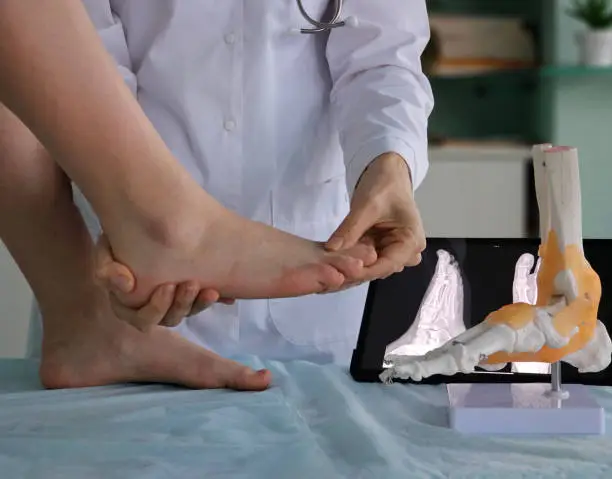
Your feet carry you through every task, yet you often ignore them until pain stops you. Custom orthotics change that pattern. They support your feet in a way that matches your body, your job, and your daily strain. Standard shoe inserts try to fit everyone. Custom orthotics focus on you. They can ease heel pain, reduce stress on your knees and hips, and steady your balance. Many patients first hear about them during a visit with an ankle specialist in Maryville, IL after a sprain, fracture, or long-term pain. That moment can feel scary. You want relief, not guesswork. Custom orthotics give structure, control, and protection so each step hurts less. They not only treat current pain. They also help prevent future injury. This blog explains why custom orthotics matter in modern podiatry and how they can protect your movement, work, and daily life.
Why your feet need more than a cushion
Your feet do hard work every day. You stand, walk, climb, lift, and sometimes run. Each step sends force through your heels, arches, ankles, knees, hips, and back. When your foot shape or movement pattern is off, that force hits the wrong spots. Pain follows.
Over time you may notice:
- Heel or arch pain when you get out of bed
- Burning under the ball of your foot
- Aching ankles, knees, or low back after work
Common store inserts add cushion. They rarely change how your foot moves. Custom orthotics do both. They support the exact curves of your foot and guide each step into a safer path.
What custom orthotics actually do
Custom orthotics are medical devices that sit inside your shoes. A podiatry team designs them for your feet and your health needs. They do three main jobs.
- Support. They hold your arch and heel in a steady position. This keeps your foot from rolling in or out too far.
- Realign. They help line up your ankle, knee, and hip. This lowers strain on joints and soft tissue.
- Protect. They spread pressure across your whole foot. This lessens hot spots and helps prevent sores.
The Centers for Disease Control and Prevention explains that foot problems can limit walking and daily tasks, especially for older adults and people with chronic disease.
Who can benefit from custom orthotics
You might think orthotics only help athletes or older adults. That is not true. Many people can gain relief.
- Children with flat feet or frequent tripping
- Workers who stand on hard floors for long hours
- People with heel pain from plantar fasciitis
- People with bunions or hammertoes
- Adults with arthritis in the feet or ankles
- People with diabetes who need even pressure and fewer sores
The American Academy of Orthopaedic Surgeons notes that orthotics can reduce pain and improve function for many foot and ankle problems.
Custom orthotics vs store bought inserts
You can buy shoe inserts at any store. Custom orthotics come from a podiatry clinic. The table below shows key differences.
| Feature | Custom Orthotics | Store Inserts
|
|---|---|---|
| Fit | Made from your foot shape and gait | One shape for many people |
| Purpose | Support, realign, protect | Mainly cushion |
| Conditions helped | Plantar fasciitis, arthritis, flat feet, diabetes, sports injury | Mild tired feet |
| Durability | Often 2 to 5 years with care | Often a few months |
| Cost | Higher upfront cost | Lower upfront cost |
| Adjustment | Podiatrist can modify after fitting | No custom changes |
How a podiatrist designs your orthotics
During a visit, the podiatry team looks at three things.
- Your story. You share where it hurts, how long it has hurt, and what makes it better or worse.
- Your movement. The clinician watches you stand and walk. They look at how your feet, knees, and hips line up.
- Your foot shape. They may use a mold, scan, or digital image of your feet.
Then they write a prescription for your orthotics. The lab builds them with the right materials for your needs. For example, a runner may need firm support. A person with diabetes may need softer, pressure-spread material.
What to expect when you start wearing them
Your body needs time to adjust. You change how your foot moves with each step. That change can feel strange at first.
You can use this simple plan.
- Day 1 to 3. Wear them 1 to 2 hours at a time.
- Day 4 to 7. Wear them half the day.
- Week 2. Wear them all day if you feel ready.
You may notice mild soreness in new muscles. That should fade. If pain grows or you feel numb spots, you should contact your podiatry clinic. They can adjust the fit.
How custom orthotics protect your future steps
Custom orthotics do more than ease today’s pain. They help you protect your long-term movement. You gain three key benefits.
- Less joint strain. Better alignment reduces wear on ankles, knees, and hips.
- Fewer flare ups. Steady support can cut the return of heel and arch pain.
- Safer skin. Even pressure lowers the risk of calluses and sores, especially if you have diabetes.
When your feet hurt less, you walk more. When you walk more, your heart, weight, and mood often improve. That change supports your health in ways you can feel every day.
When to talk with a podiatry team
You do not need to wait until you cannot walk without pain. You should make an appointment if you notice any of these signs.
- Morning heel pain that returns every day
- Foot or ankle pain that lasts longer than two weeks
- New calluses, corns, or sores, especially if you have diabetes
- Frequent ankle rolling or feeling unsteady
- Shoes are wearing out faster on one side
A podiatry team can check your feet, review your shoes, and decide if custom orthotics fit your needs. You gain a clear plan and a tool that supports each step with purpose and care.