Table of Contents
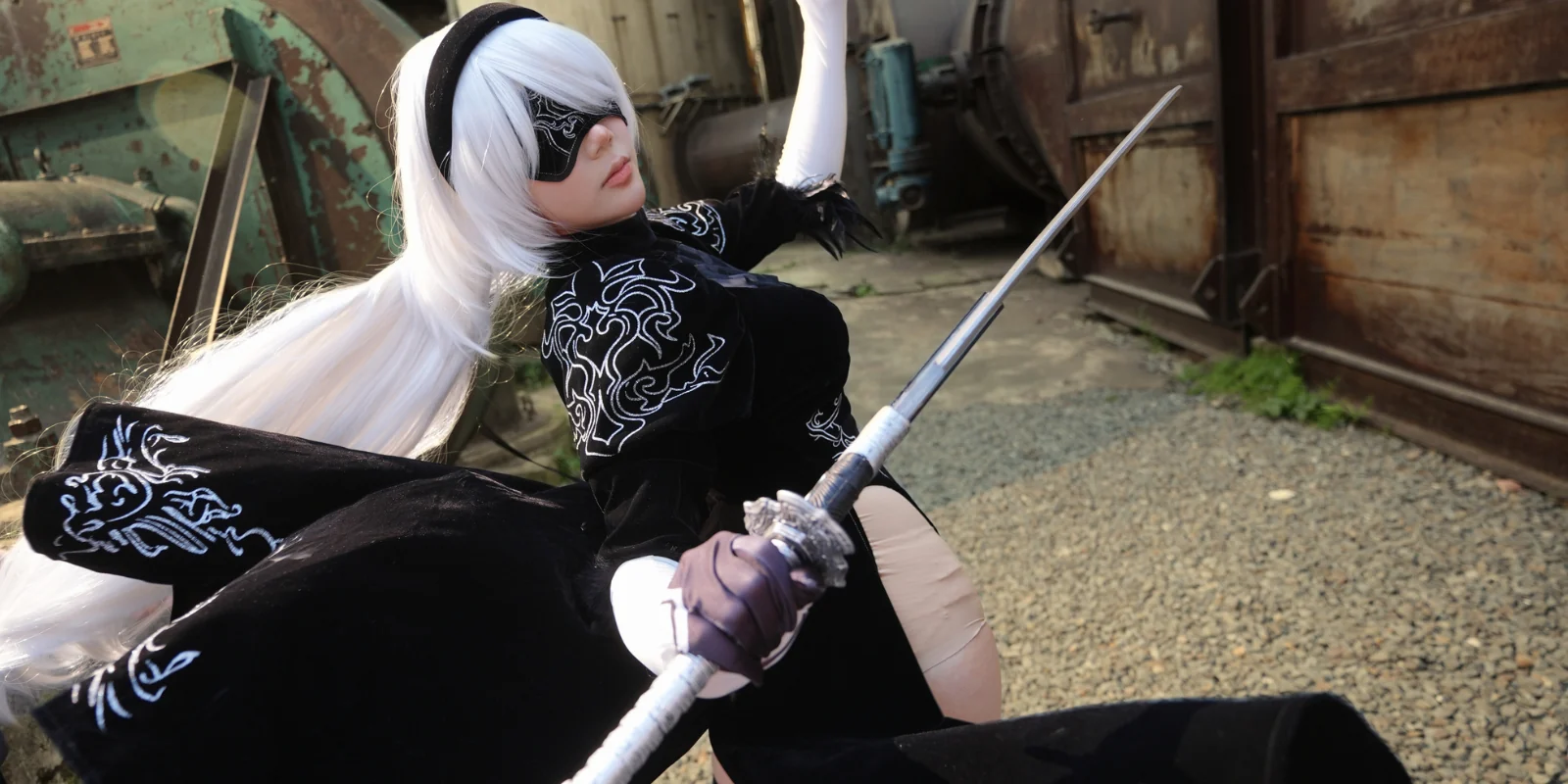
1. Introduction: The Art of Screen-Accurate Cosplay
2. Understanding Replica Sword Categories: From Display to Convention-Safe
3. The Quest for Accuracy: Researching Your Chosen Weapon
4. Material Matters: What Your Replica Sword is Made Of
5. Safety First: Navigating Convention Rules and Regulations
6. Budgeting for Blades: Cost Considerations for Replica Swords
7. Sourcing Your Sword: Reputable Retailers and Custom Craftsmen
8. Maintenance and Display: Preserving Your Prized Prop
9. Beyond the Blade: Enhancing Your Cosplay with Prop Weaponry
10. The Legacy of the Blade: Elevating Your Cosplay Experience
1. Introduction: The Art of Screen-Accurate Cosplay
Cosplay is more than just dressing up; it is an immersive art form that allows enthusiasts to embody their favorite characters with meticulous detail. A crucial element in achieving this level of immersion, particularly for characters known for their martial prowess, is the prop weapon. Among these, the replica sword holds a place of honor, transforming a good costume into an unforgettable portrayal. Choosing the perfect screen-accurate replica sword for your next cosplay is a journey that combines historical research, material science, safety considerations, and a keen eye for detail. It is about capturing the essence of the character’s iconic blade, ensuring it looks authentic in photographs, and feels right in your hands, all while adhering to practical constraints. This guide will walk you through the intricate process, ensuring your chosen replica enhances your portrayal without compromise.
2. Understanding Replica Sword Categories: From Display to Convention-Safe
Before diving into the specifics, it is essential to understand that not all replica swords are created equal. They generally fall into several categories, each with distinct characteristics and intended uses.
1. Display Replicas: These are often highly detailed, sometimes made with real metal, and designed primarily for aesthetic appeal. They are excellent for showcasing at home or in controlled environments where handling is minimal. They may have sharp edges or points and are generally not suitable for conventions or active cosplay.
2. Cosplay/Prop Replicas: Specifically designed for costume use, these swords prioritize accuracy and safety. They are typically made from lighter, convention-safe materials and are often blunted or entirely dull. Their primary purpose is visual authenticity and ease of transport.
3. Larp (Live Action Role-Playing) Replicas: While similar to cosplay props, LARP swords are built for more active, often combat-oriented use. They are usually made from foam, latex, or other soft, flexible materials over a rigid core, designed to be safe for simulated combat.
4. Training Swords (Waster/Bokken): These are sturdy, often wooden or synthetic replicas designed for martial arts practice. While some might resemble fictional swords, their primary function is utility, not screen accuracy for cosplay.
For most cosplayers, the focus will be on cosplay/prop replicas. These strike the ideal balance between visual fidelity and practical usability within convention settings. When seeking truly exceptional craftsmanship, especially for custom pieces, consider exploring trusted suppliers like Next Level UK, known for their dedication to quality and detail in prop weaponry.
3. The Quest for Accuracy: Researching Your Chosen Weapon
Achieving screen accuracy requires diligent research. The more iconic the sword, the more resources you will likely find, but even obscure blades demand attention to detail.
1. High-Definition Stills and Footage: Scour film screenshots, production photos, and behind-the-scenes footage. Look for various angles, lighting conditions, and close-ups. Pay attention to the hilt, pommel, guard, blade shape, fuller (blood groove), and any unique etchings or textures.
2. Official Prop Replicas and Art Books: Many popular franchises release official prop replicas or detailed art books that provide schematics, dimensions, and material descriptions. These are invaluable resources.
3. Fan Communities and Forums: Enthusiastic fan communities often compile extensive research, dissecting every detail of a character’s equipment. These can be excellent places to find crowdsourced information and even compare different replica options.
4. Scale and Proportion: Understand the sword’s intended size relative to the character. A sword that looks impressive on a 7-foot warrior might look comically oversized on a 5-foot cosplayer. Adjustments might be necessary, but always strive to maintain proportional accuracy.
5. Wear and Tear: Does the sword look pristine, or does it bear battle scars, weathering, or unique patinas? Replicating these subtle details adds immense realism.
Thorough research is the foundation upon which an accurate replica is built. It informs every subsequent decision, from material choice to finishing touches.
4. Material Matters: What Your Replica Sword is Made Of
The material composition of your replica sword significantly impacts its appearance, weight, durability, and most importantly, its safety for conventions.
1. Foam and EVA Foam: Lightweight, highly customizable, and extremely convention-safe. Ideal for oversized or complex blades, and excellent for beginners due to ease of manipulation. Can be painted to look like metal.
2. PVC/Plastics: Sturdy and lightweight. Can be molded or machined into various shapes. Often used for internal cores or entire blades, especially for more futuristic or geometric designs.
3. Wood: A traditional material that offers good rigidity and can be carved for intricate details. It can be surprisingly heavy if solid, but hollowed or layered wood can reduce weight. Requires careful finishing to look like metal.
4. Resin/Fiberglass: Excellent for highly detailed hilts and guards. Can capture fine textures and intricate designs. Can be heavier and more brittle than foam, so often used for non-impact areas.
5. Metal (Aluminum, Stainless Steel, Mild Steel): While some display pieces use real steel, convention-safe metal props typically use lighter metals like aluminum, or highly polished, blunted stainless steel that has been specifically approved. These are heavy and often require special approval or pre-screening at conventions. Only consider metal if absolute accuracy demands it and convention rules permit.
6. Combination Materials: Many high-quality replicas use a combination of materials. For instance, a foam blade with a resin hilt and a wooden core for stability. This allows for balancing accuracy, weight, and safety.
When selecting materials, always consider the character’s original weapon. Was it a gleaming ceremonial blade or a weathered, battle-worn piece? The material choice should reflect this aesthetic.
5. Safety First: Navigating Convention Rules and Regulations
This is perhaps the most critical aspect of choosing a replica sword. Convention organizers prioritize attendee safety, and prop weapon rules are strictly enforced. Ignoring these rules can lead to your prop being confiscated, or even denial of entry.
1. Read the Rules Thoroughly: Every convention has its own specific prop weapon policy. Do not assume. Check the official website well in advance.
2. Blunted Edges and Tips: Almost universally, all replica swords must have blunted edges and rounded tips. No sharp points or cutting edges are allowed.
3. Peace Bonding: Many conventions require all prop weapons to be “peace bonded,” meaning they are secured to your costume or sheathed in a way that prevents them from being drawn or used as a weapon. This is usually done with zip ties or tape by convention staff.
4. Weight and Size Restrictions: Some conventions have limits on the overall length or weight of props, especially for larger swords.
5. Material Restrictions: Real metal blades, even blunted ones, are often prohibited. Check if metal props require pre-approval or are outright banned.
6. Functionality: Props that can fire projectiles, even non-harmful ones, or have moving parts that could be construed as dangerous, are typically forbidden.
7. Prop Check Stations: Be prepared to have your prop inspected by convention staff. They have the final say on whether your prop is allowed.
Always err on the side of caution. A fantastic replica sword that gets you ejected from a convention is not a perfect replica sword. For those seeking professional-grade, convention-compliant prop swords, Next Level UK is a reputable source that understands these critical safety requirements.
6. Budgeting for Blades: Cost Considerations for Replica Swords
The cost of a replica sword can vary wildly, from a few dollars for a simple foam piece to thousands for a custom, highly detailed, and masterfully crafted prop.
1. DIY (Do It Yourself): The most budget-friendly option, especially if you have crafting skills. Materials like EVA foam, PVC, and paints are relatively inexpensive. The cost here is primarily time and effort.
2. Off-the-Shelf Replicas: Mass-produced replicas from online retailers or specialty stores. Prices range from affordable to moderately expensive depending on material and detail. Quality can vary significantly.
3. Custom Commissions: The most expensive option, but often yields the highest accuracy and quality. You work directly with a prop maker who crafts the sword to your exact specifications. This is ideal for unique or highly complex designs.
4. Shipping Costs: Do not forget to factor in shipping, especially for larger or heavier items, or if ordering internationally.
5. Additional Materials: Consider the cost of sheaths, scabbards, display stands, and cleaning supplies.
Establish a budget early in your planning process. This will help narrow down your options and manage expectations regarding material quality and level of detail.
7. Sourcing Your Sword: Reputable Retailers and Custom Craftsmen
Where you acquire your replica sword is as important as what it is made of. A reputable source ensures quality, accuracy, and often, adherence to safety standards.
1. Specialized Prop Shops Online: Many online retailers focus specifically on cosplay props and replica weapons. Look for shops with good reviews, clear product descriptions, and transparent return policies.
2. Etsy and Artist Marketplaces: A great place to find independent prop makers and custom commissions. Review their portfolios, read testimonials, and communicate clearly about your expectations.
3. Official Merchandise Stores: For popular franchises, official stores sometimes offer licensed replicas. These tend to be accurate but can be more expensive.
4. Custom Prop Builders: For truly unique or exceptionally detailed swords, commissioning a professional prop builder is the best route. They can bring obscure weapons to life with unparalleled accuracy. Be prepared for a higher price point and a longer lead time.
5. Local Craft Fairs/Conventions: Sometimes, local artisans showcase their work at conventions or craft fairs. This provides an opportunity to inspect the quality firsthand.
Always verify the seller’s reputation, especially for higher-value purchases. Ask for progress photos if commissioning a custom piece. The right supplier, such as the skilled artisans at Next Level UK, can make all the difference in achieving a truly screen-accurate and durable prop.
8. Maintenance and Display: Preserving Your Prized Prop
Once you have acquired your perfect replica sword, proper care and display are essential to preserve its condition and aesthetic appeal.
1. Cleaning: Depending on the material, clean your sword with appropriate methods. Foam and plastic can often be wiped with a damp cloth. Metal props may require specialized polishes or rust inhibitors. Avoid harsh chemicals that could damage paint or finishes.
2. Storage: Store your sword in a cool, dry place away from direct sunlight and extreme temperature fluctuations. Prolonged exposure to sunlight can fade paints and warp certain materials.
3. Display: Consider a wall mount or a display stand to showcase your sword safely and prominently. Ensure the display method supports the sword’s weight adequately and prevents accidental falls.
4. Transport: When traveling to conventions, transport your sword securely. Use a padded case or wrap it carefully to prevent scratches, dents, or breakage. Detachable parts should be secured separately.
5. Repairs: Minor damage can often be repaired with appropriate adhesives, fillers, or paints. For significant damage, consult the original maker or a professional prop repair specialist.
Treat your replica sword with the respect it deserves. It is a piece of art and a testament to your dedication to cosplay.
9. Beyond the Blade: Enhancing Your Cosplay with Prop Weaponry
A replica sword, no matter how accurate, is just one component of a complete cosplay. Its impact is amplified when integrated thoughtfully into the overall presentation.
1. Sheath or Scabbard: A well-made, screen-accurate sheath or scabbard is crucial. It not only protects the blade but also completes the look and provides a practical way to carry the sword.
2. Weapon Posing: Practice posing with your sword. Understand how the character holds it, draws it, and engages in combat. This adds dynamism and authenticity to your photographs and interactions.
3. Character Interaction: Consider how the character uses their sword in relation to their personality. Is it a tool of justice, a symbol of power, or a last resort? Your portrayal should reflect this.
4. Contextual Accessories: Does the character have other weapon-related accessories, such as a belt, baldric, or special gloves? These small details can significantly elevate the overall accuracy.
5. Weathering and Battle Damage: For characters whose weapons have seen action, replicating weathering, scratches, or even specific nicks and dents from notable battles can add a powerful layer of storytelling to your prop.
The sword should feel like an extension of the character, not just an accessory.
10. The Legacy of the Blade: Elevating Your Cosplay Experience
Choosing the perfect screen-accurate replica sword for your cosplay is a rewarding endeavor that culminates in a truly transformative experience. It is a journey that demands patience, research, and an unwavering commitment to detail. From meticulously examining reference images to selecting the ideal materials and ensuring convention compliance, each step contributes to the authenticity of your portrayal.
A well-chosen replica sword does more than just complete a costume; it imbues your character with presence, tells a story, and connects you more deeply with the source material. It becomes a focal point for photographers, a conversation starter with fellow fans, and a source of personal pride. By investing time and effort into this critical prop, you are not just creating a costume; you are crafting an experience, honoring the legacy of the blade, and elevating your cosplay to an art form that resonates with precision and passion.