Image source: Unsplash
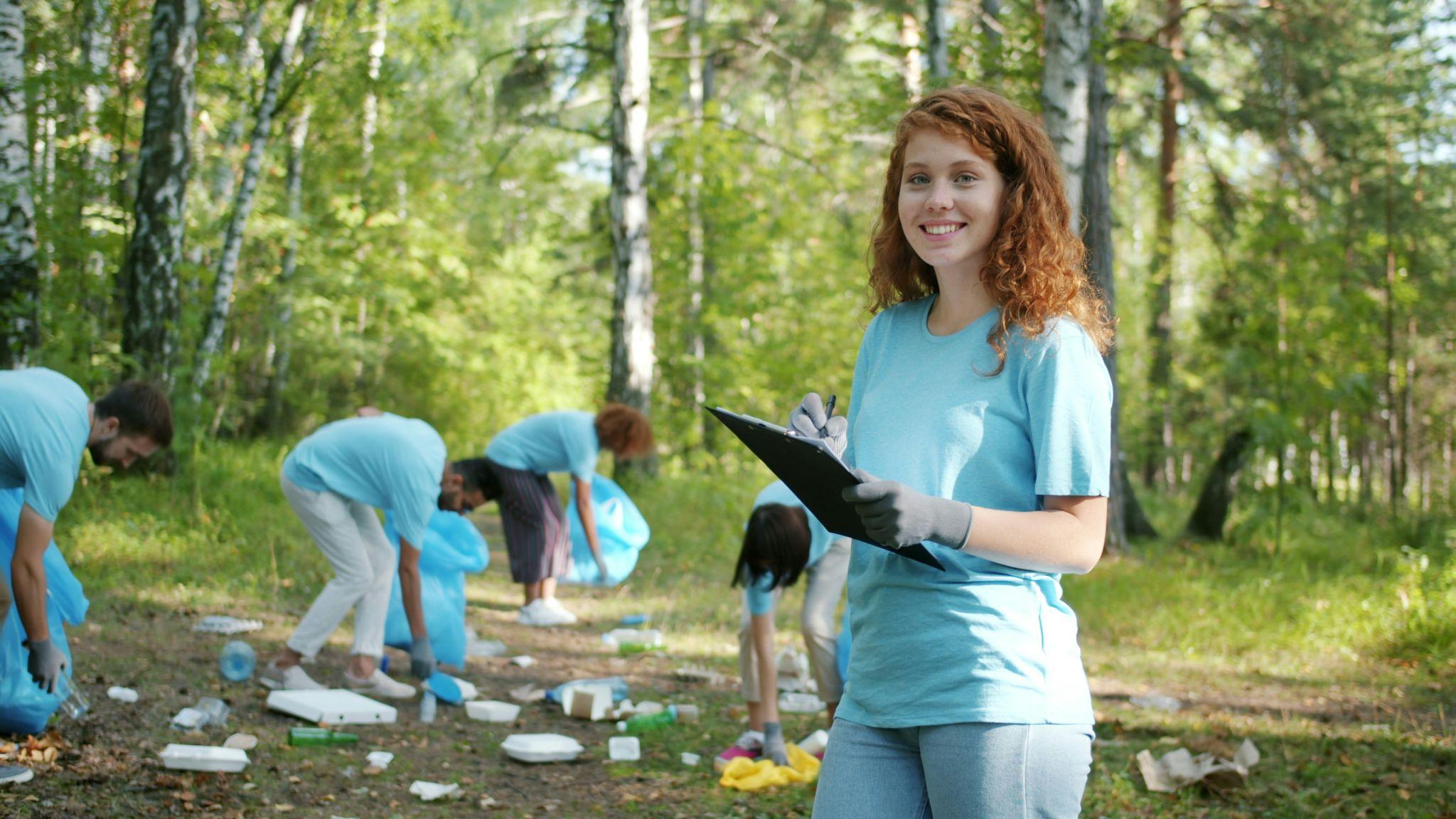
Volunteering today goes beyond traditional roles. It includes everything from mentoring youth to offering professional skills to nonprofits. Many opportunities are now remote, making it easier for people with busy schedules to get involved with food banks, environmental groups, and even through virtual platforms where they can teach, write, or offer tech support. Whether committing a few hours a month or helping regularly, Paul Wiedmaier says anyone can find ways to serve that match their availability and interests.
Building Career Skills Through Service
Volunteering offers a hands-on way to sharpen essential workplace skills. Whether coordinating a community event or managing a small team for a local nonprofit, people often develop leadership, communication, and problem-solving abilities that translate directly into professional growth.
Someone volunteering at a local animal shelter might learn to organize schedules, handle client interactions, and manage daily operations. These tasks mirror the responsibilities found in many entry-level to mid-level jobs, making them valuable experiences to include on a resume.
Beyond technical skills, volunteering builds confidence in taking initiative and working with diverse groups. These qualities not only enhance job performance but also make a strong impression during interviews. Employers appreciate candidates who show a commitment to service and community involvement.
Expanding Your Professional Network
Getting involved in volunteer work naturally connects you with like-minded individuals, including professionals outside your usual circles. These relationships often lead to unexpected job leads, mentorships, or collaborations that would be hard to find through traditional networking. Volunteering can act as a bridge between industries, creating cross-sector opportunities.
While helping at a community fundraiser, someone might meet a nonprofit director, a marketing professional, or a local business owner. These connections sometimes open up career-changing conversations or referrals down the line.
The informal setting of volunteer activities fosters authentic relationships. People remember those who show up, contribute, and bring a positive attitude, often keeping them in mind when new opportunities arise.
Personal Growth That Supports Career Success
Volunteering often pushes people outside their comfort zones, helping them grow emotionally and mentally. Taking on unfamiliar tasks or working with new groups can boost self-confidence and encourage adaptability—traits that benefit both personal development and professional progress.
Someone who volunteers with a crisis support line might find that they become more empathetic and calm under pressure. These qualities carry over into demanding work settings, enhancing their ability to manage stress and support coworkers through challenges.
Over time, these experiences deepen a person’s sense of purpose and motivation. Feeling connected to a cause can fuel long-term commitment and drive in other areas of life, including career goals.
Volunteering and Well-Being
Helping others has a ripple effect on mental health. People who volunteer regularly often report feeling more fulfilled, less anxious, and more socially connected. These emotional benefits contribute to a healthier mindset, which can positively influence productivity and focus at work. Emotional resilience gained through service often carries over into other parts of life.
Working alongside others toward a shared mission creates a sense of belonging. Volunteers often describe a boost in mood after a day of service, and research has shown a correlation between regular volunteering and depression. The sense of accomplishment and purpose can be a powerful antidote to burnout.
Finding and Making the Most of Opportunities
Choosing the right volunteer role starts with identifying what matters to you. Whether it’s clean energy, education, or public health, aligning with a cause makes the experience more meaningful and sustainable.
Platforms like Idealist and local community boards regularly post opportunities that match a wide range of skills and time commitments. Some people thrive in ongoing roles with structured responsibilities, while others prefer flexible, one-time projects. Virtual roles have expanded access for those with busy or unpredictable schedules.
Tracking your progress through a journal or resume can help you see how these experiences contribute to both personal goals and professional development. Staying consistent and engaged over time often leads to greater impact—and unexpected rewards.