Image source: Unsplash
Nestled within the Ted Stiles Preserve, the Mercer County Wildlife Center provides care for native wild animals that are injured, orphaned, or unable to survive on their own. Located in Titusville, New Jersey, the center plays a vital role in the region’s response to wildlife emergencies and conservation needs.
As Nicholas Manella notes, the center treats a wide range of species, including birds of prey, mammals such as foxes and opossums, and reptiles injured by vehicles or human activity. Each animal receives species-specific care to help it return safely to the wild.
The People Behind the Work
The heart of Mercer County Wildlife Center lies in its dedicated team. Staff members, including licensed wildlife rehabilitators, veterinarians, and educators, work year-round to ensure animals receive expert care and that the public stays informed about local wildlife issues.
Volunteers play a crucial role as well. From bottle-feeding orphaned raccoons to preparing diets for injured hawks, they support nearly every aspect of daily operations. Some commit to regular weekly shifts, while others step in during peak seasons when the center takes in hundreds of young animals. Their contributions often extend beyond the center, as many share their experiences within their own communities.
Many volunteers undergo training to handle wildlife safely and responsibly. Their efforts not only help the animals but also create a ripple effect in the community, inspiring others to get involved. Some even go on to pursue careers in environmental science or veterinary medicine.
Daily Operations and Animal Care
A typical day at the center starts with staff and volunteers preparing food, administering medications, and checking on new arrivals. Each animal has unique needs—an owl with a broken wing requires different treatment than a dehydrated turtle or a nest of squirrels brought in after a storm. Every task is managed with precision to ensure the best possible outcome for the animals under care.
The workload shifts with the seasons. Spring and early summer are especially demanding, as baby animals arrive in large numbers. During this time, incubators buzz in the background, and bottles must be warmed every few hours. It’s a time of urgency and care, balanced with the goal of returning each animal to the wild when ready. Many hands are needed during these months, making it the most active period for volunteers.
Education remains woven into the daily routine. Visitors might see a rehabilitator explaining why young fawns should not be approached or how to secure trash bins to deter scavengers. Each interaction serves as an opportunity to teach respect for wildlife and prevent future harm.
Learning and Outreach Programs
Education is a vital piece of the center’s work, reaching beyond animal care and into the broader community. Through school programs, on-site tours, and seasonal events, the center helps people of all ages understand the challenges wildlife face and how humans can make a difference. Outreach often extends to libraries, community centers, and local nature festivals.
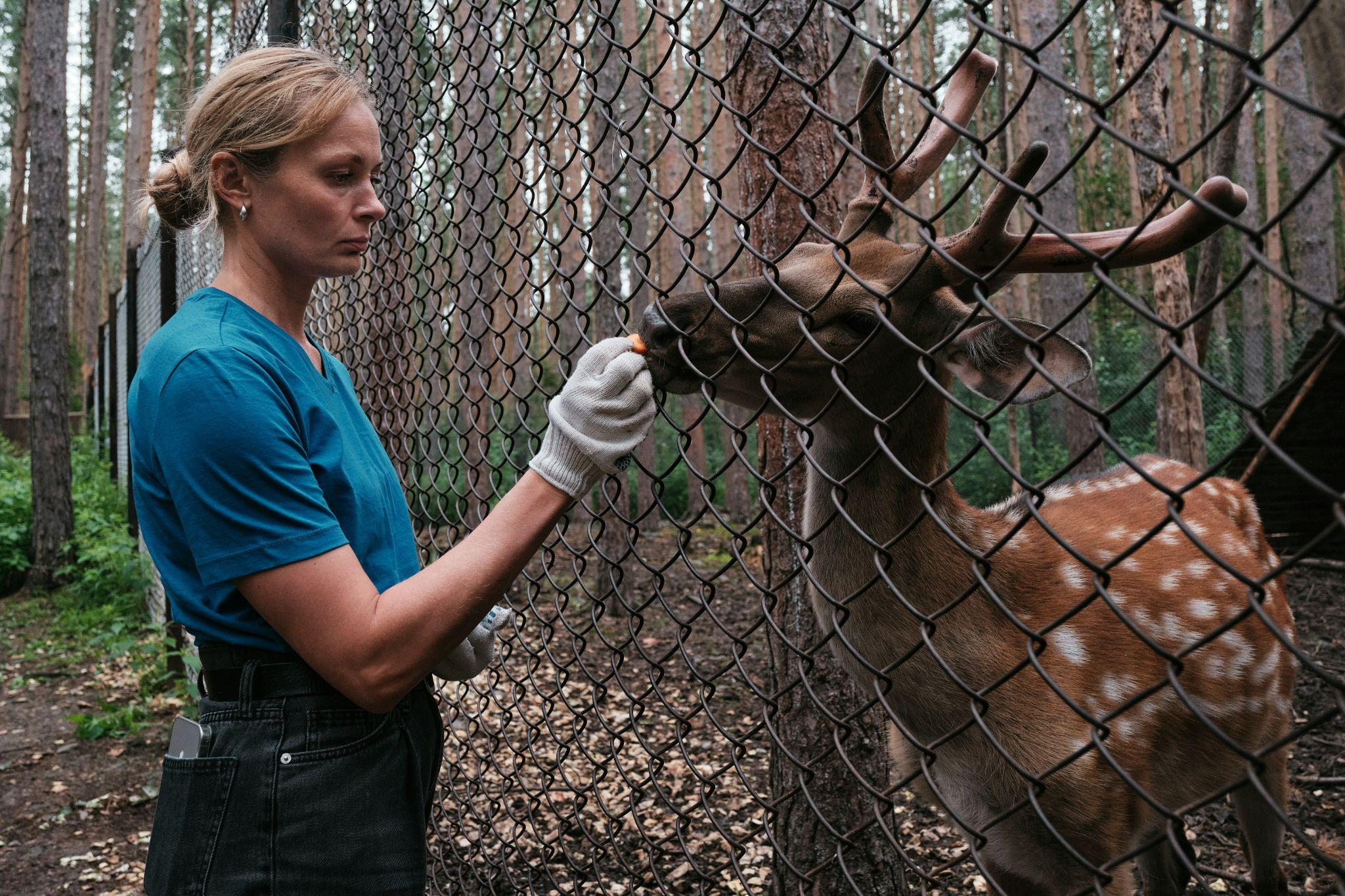
During a visit, guests might observe staff feeding a recovering hawk while explaining how rodenticides impact birds of prey. These moments leave lasting impressions, especially on younger audiences. Workshops and presentations often explore topics such as habitat preservation and recognizing when an animal truly needs help, encouraging responsible action rather than well-meaning interference.
Community Participation and Support
The center thrives through the support of its community. Local residents donate time, supplies, and funds to keep operations running smoothly. Some drop off towels, pet carriers, or food items, while others host small fundraisers or promote wildlife-friendly practices in their neighborhoods. These acts of generosity help bridge the gap during busy seasons when resources are stretched.
Partnerships with schools, garden clubs, and scout troops further strengthen the center’s outreach. These collaborations often lead to hands-on involvement, from building nest boxes to organizing clean-up days at the preserve. Community events hosted at the center also provide opportunities for networking and environmental education.
Ways to Get Involved
Volunteering begins with a simple application and an orientation that introduces new helpers to the basics of wildlife care. Many start with support tasks like laundry or food prep, gradually learning how to handle animals under supervision. Some stay for a season, others return year after year.
Donations also offer a meaningful way to contribute. Whether it’s through a monthly gift, a one-time sponsorship, or purchasing items off the center’s wish list, every act of support adds up. Those interested can find more details on the center’s website or follow updates on social media, where success stories and upcoming events are regularly shared.