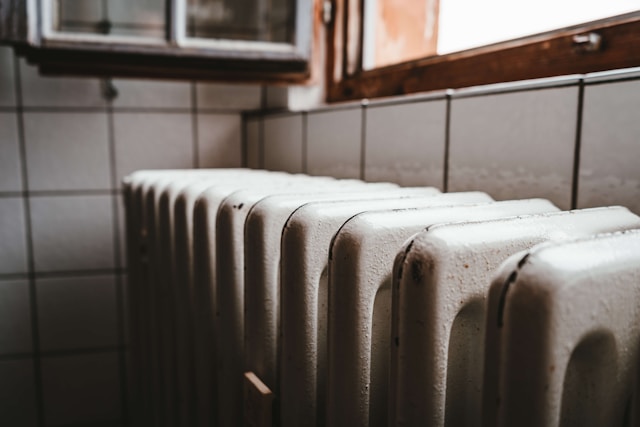
When winter settles in and outdoor temperatures plunge, a dependable heating system stops being a convenience and becomes a necessity. Families rely on consistent indoor warmth to stay comfortable, protect plumbing from freezing, and keep everyday routines running smoothly. Ignoring early warning signs can turn a minor issue into an expensive breakdown or even a safety hazard. Seeking timely heating help for cold months often prevents those scenarios and restores peace of mind before the coldest days arrive.
Homeowners who stay alert to changes in their system’s performance are far better positioned to avoid discomfort and unexpected repair costs. The problems outlined below are among the most common ones that surface once the furnace or boiler begins working harder against outdoor chill. Addressing them promptly protects both the equipment and the people living in the home.
Strange Noises Coming from the System
A furnace or boiler should operate with a relatively steady, low hum. Sudden banging, rattling, screeching, or whistling sounds usually signal something is wrong. Metal expanding and contracting can produce mild ticking, but loud or repeated noises often point to loose components, failing motors, or restricted airflow.
Ignoring these sounds risks further damage. A worn belt can snap, a blower motor can seize, or a heat exchanger crack can develop. Any of these failures typically leave the house without heat at the worst possible time. Professional inspection identifies the source and determines whether a simple adjustment or a more involved repair is needed.
Uneven Heating and Persistent Cold Spots
Rooms that stay noticeably colder than others, or floors that never warm up, indicate uneven heat distribution. Causes range from blocked or leaky ducts to an undersized system or a failing blower. Closed vents, furniture blocking registers, or dirty filters can also restrict flow.
In multi-story homes the upper floors often feel warmer while lower levels remain chilly, revealing imbalance in the ductwork or a struggling fan. Left unaddressed, the system works harder and longer, driving up energy use and shortening equipment life. Balancing airflow and cleaning or sealing ducts frequently restores even temperatures throughout the house.
Frequent Cycling or Failure to Maintain Temperature
A system that turns on and off every few minutes, or runs almost continuously without reaching the thermostat setting, is short-cycling or fighting an underlying problem. Dirty filters, incorrect thermostat placement, or a failing limit switch are common culprits. Oversized equipment can also cycle too rapidly, never running long enough to remove humidity or distribute heat properly.
Short-cycling wastes energy and places repeated stress on the ignition system and heat exchanger. Over time this pattern accelerates wear and can lead to complete failure during a cold snap. Tracking how often the unit cycles and noting indoor temperature swings gives technicians useful diagnostic information.
Unexpectedly High Energy Bills
When heating costs climb sharply without a corresponding change in weather or thermostat settings, the system is probably operating inefficiently. Clogged filters force the blower to work harder. Aging heat exchangers lose efficiency. Leaky ducts dump warm air into attics or crawl spaces. A pilot light that stays on continuously or a modern electronic ignition that struggles also contributes to higher consumption.
Comparing current bills with the same period in previous years highlights the difference. Simple maintenance steps such as filter replacement and duct sealing often produce measurable savings. More complex issues may require component repair or system upgrades, but early detection limits the financial impact.
Unusual Odors or Visible Exhaust Issues
A brief dusty smell when the system first starts after months of inactivity is normal. Persistent burning, musty, or chemical odors are not. Burning smells can indicate overheating wiring or motors. A strong gas odor demands immediate attention and evacuation until the utility company or a qualified technician confirms safety. Musty smells frequently point to mold or moisture in the ductwork.
On the exterior, a furnace vent that produces excessive white smoke, yellow flames, or water dripping near the flue signals combustion problems. Carbon monoxide risk rises when exhaust is incomplete or blocked. Installing and testing CO detectors remains essential, yet addressing the root cause of unusual odors or vent issues is equally critical.
Pilot Light and Ignition Failures
Older furnaces rely on a continuously burning pilot light. If the flame goes out repeatedly, drafts, a faulty thermocouple, or gas supply interruptions may be responsible. Modern systems use electronic ignition; repeated clicking without ignition or delayed starts point to dirty sensors, weak electrical connections, or control board faults.
Repeated ignition attempts can flood the combustion chamber or strain the gas valve. Both scenarios leave the home without heat until the problem is corrected. Attempting to light a pilot without proper training is unsafe; professionals handle these repairs with the correct tools and procedures.
Thermostat and Control Problems
A thermostat that displays incorrect temperatures, fails to communicate with the furnace, or loses programming can mimic larger system failures. Dead batteries, loose wiring, or outdated models that no longer calibrate accurately are frequent causes. Smart thermostats occasionally lose Wi-Fi connectivity or require software updates.
Verifying that the thermostat is level, clean, and set to the correct mode eliminates simple user errors. When the display behaves erratically or the system ignores temperature changes, replacement or professional recalibration restores reliable control.
The Cost of Delayed Maintenance
Many of the problems listed above develop gradually and become noticeable only after temperatures drop. Skipping annual service allows dirt, wear, and minor defects to accumulate. Heat exchangers can develop cracks, bearings can seize, and safety switches can stick. What begins as a minor inconvenience in October can become a no-heat emergency in January.
Regular professional maintenance includes cleaning burners, checking heat exchanger integrity, testing safety controls, measuring gas pressure, and verifying airflow. These steps catch issues while they remain inexpensive to correct and keep efficiency closer to the original design levels.
Knowing When Professional Help Is Required
Homeowners can safely change filters, keep vents clear, and test carbon monoxide detectors. Beyond those steps, most heating repairs involve gas, electricity, combustion, and pressurized systems. Attempting complex work without training risks injury, property damage, or voided warranties.
Persistent noises, uneven temperatures, rising bills, odd smells, or any failure to produce heat warrant a service call. Early intervention almost always costs less than emergency repairs during peak cold weather and reduces the chance of secondary damage such as frozen pipes.
Cold weather places steady demand on residential heating equipment. Paying attention to unusual sounds, temperature inconsistencies, energy use, odors, and ignition behavior allows problems to be corrected before they escalate. Consistent maintenance and prompt response to warning signs keep indoor environments comfortable and systems operating efficiently through the entire season.
Conclusion
Cold weather places continuous strain on residential heating systems, making it vital to address furnace problems, boiler malfunctions, and airflow issues before they worsen. Strange noises, uneven temperatures, short cycling, unexpected energy spikes, unusual odors, and ignition failures should never be dismissed. Prompt professional diagnosis prevents costly emergency repairs and keeps indoor spaces consistently warm. Regular maintenance combined with quick response to warning signs extends equipment life and improves efficiency. By staying alert to these critical heating problems during cold weather, homeowners maintain safer, more comfortable living environments and avoid the stress of a system failure when temperatures drop to their lowest.