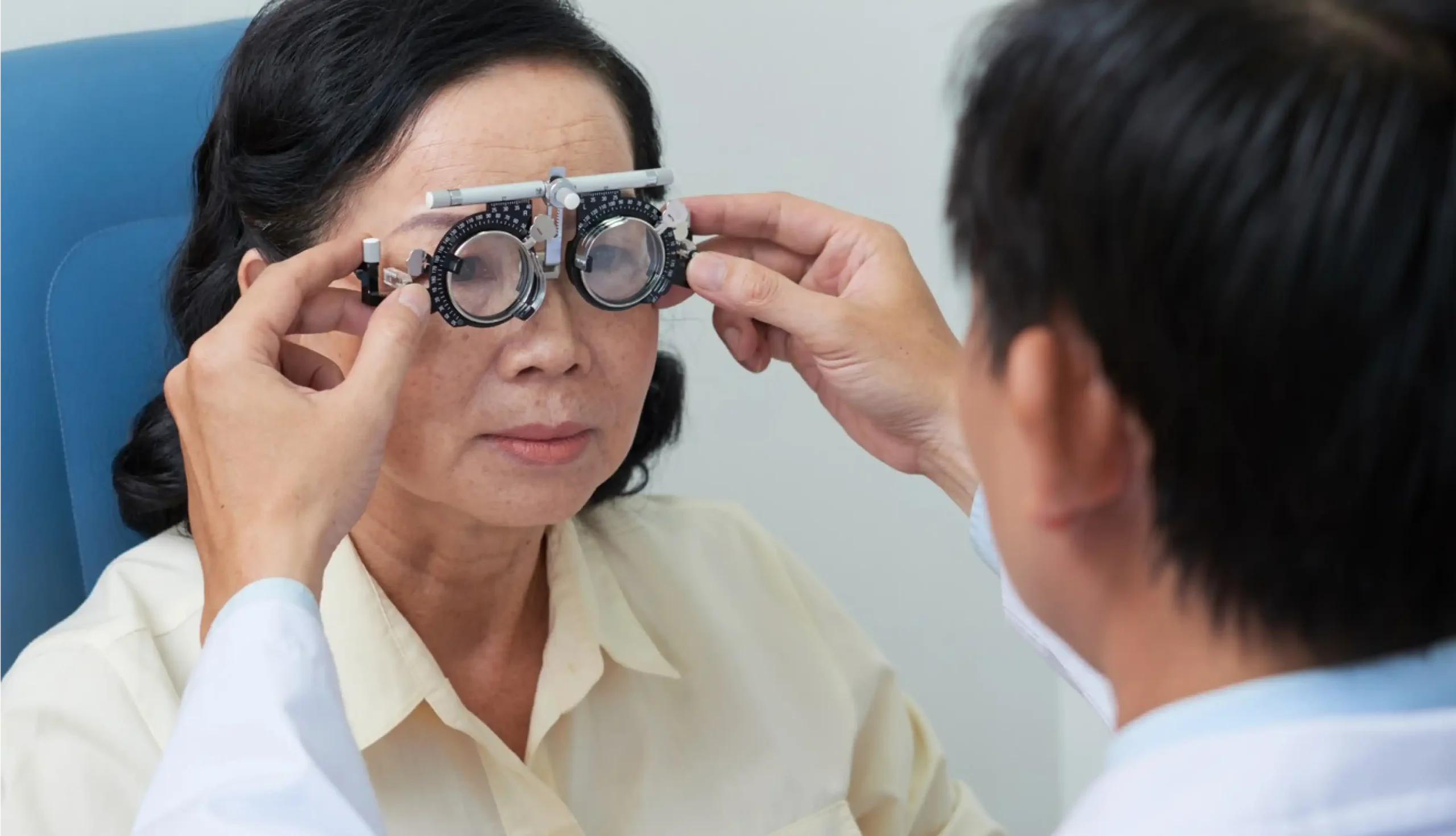
For many years, retinal diseases were viewed as conditions with very limited treatment possibilities. Patients diagnosed with progressive eye disorders were often told that the main focus would be slowing deterioration rather than restoring lost vision. As research continues to advance, the future of macular degeneration treatment is becoming increasingly focused on improving long-term outcomes, preserving independence, and developing more targeted therapies for patients living with retinal conditions. While that remains true in some situations, the pace of medical research in recent years has changed the conversation considerably.
Scientists, clinicians, and technology developers are now exploring a wide range of new approaches aimed at improving outcomes for people living with retinal conditions. Some treatments are already being used in specialist clinics, while others remain in research stages with the potential to reshape future care entirely.
Much of this progress has been driven by improvements in imaging technology. Modern retinal scans allow specialists to examine the eye in extraordinary detail, often detecting changes long before serious symptoms develop. Earlier diagnosis gives patients a better chance of preserving vision because treatment can begin sooner.
These advances have also improved the understanding of how retinal diseases develop over time. Researchers are learning more about the complex biological processes involved in damage to retinal tissue, blood vessels, and light-sensitive cells. That growing knowledge is leading to more targeted therapies rather than broad treatment approaches.
One of the most significant areas of progress has involved injectable medications used to treat abnormal blood vessel growth in the retina. These treatments have become a major part of modern eye care and have helped many patients maintain vision for far longer than would previously have been possible.
However, researchers recognise that regular injections can be difficult for patients. Frequent appointments, ongoing monitoring, and repeated treatment schedules place pressure on both individuals and healthcare systems. Because of this, considerable effort is being directed toward developing longer-lasting therapies that reduce the number of required treatments.
Some newer medications are designed to remain effective for extended periods, potentially allowing patients to go longer between injections. Researchers are also investigating implantable delivery systems that slowly release medication over time inside the eye itself. These developments may eventually reduce the treatment burden for patients who currently require frequent clinic visits.
Gene therapy is another area attracting significant attention. Scientists are studying whether genetic techniques could help correct or slow the processes responsible for certain inherited retinal diseases. Although this field remains highly specialised, some early treatments have already shown encouraging results for rare conditions.
The possibility of using gene-based methods to preserve retinal function has created optimism within the medical community. While these approaches may not become widely available for all retinal diseases immediately, they demonstrate how rapidly the field is evolving.
Stem cell research has also generated interest because of its potential to replace damaged retinal cells. Researchers are investigating whether healthy cells could eventually be introduced into damaged areas of the retina to restore some degree of function.
This concept remains technically challenging, but progress continues. Scientists are working to understand how transplanted cells behave within the eye and whether they can integrate successfully into existing retinal structures. Even partial restoration of central vision could dramatically improve quality of life for many patients.
Artificial intelligence is beginning to influence retinal care as well. Advanced software systems are now being trained to analyse retinal scans and identify signs of disease more quickly and accurately. These technologies may help support earlier diagnosis and faster referrals, particularly in healthcare systems where specialist resources are limited.
AI-assisted analysis could also help doctors monitor disease progression more effectively over time. By identifying subtle changes that may not always be immediately visible during manual review, these systems may improve treatment timing and long-term monitoring.
Another exciting area involves wearable and assistive technology designed to help people adapt to reduced vision. Developers are creating devices that use cameras, sensors, and digital processing to improve environmental awareness and reading capability for individuals with central vision loss.
While these technologies do not cure retinal disease, they can significantly improve independence and confidence for people managing everyday activities.
Researchers are also exploring the role of inflammation and immune responses in retinal degeneration. Understanding these biological mechanisms more clearly may lead to new drug therapies that target disease progression in different ways than current treatments.
The growing interest in personalised medicine is likely to influence future retinal care as well. Rather than applying the same treatment strategy to every patient, specialists may increasingly tailor therapies based on genetics, disease patterns, and individual response to medication.
This could improve outcomes while reducing unnecessary treatment where it is unlikely to provide significant benefit.
At the same time, lifestyle and preventative research continues to play an important role. Scientists are studying how nutrition, smoking, cardiovascular health, and environmental factors influence retinal disease progression. Although lifestyle changes cannot completely prevent retinal disorders, there is growing evidence that certain habits may help support long-term eye health.
Public awareness is another important factor shaping the future of care. Many retinal conditions develop gradually, and early symptoms are often overlooked. People may assume blurred central vision, distortion, or difficulty reading are simply part of normal ageing.
Improving awareness around symptoms and encouraging regular eye examinations may help more patients receive earlier intervention before substantial vision loss occurs.
Despite the progress being made, researchers remain realistic about the challenges ahead. Retinal tissue is highly complex, and restoring lost vision completely remains extremely difficult in many cases. However, the speed of advancement in recent years has created a far more hopeful outlook than existed in the past.
Patients diagnosed today may benefit from treatment options that were unavailable only a decade ago. Meanwhile, ongoing research continues expanding the possibilities for future care.
As understanding of retinal disease deepens, the future of macular degeneration treatment may involve a combination of approaches rather than relying on one single solution. Medication, genetic therapies, advanced imaging, assistive technology, and personalised treatment planning could all work together to support better long-term outcomes.
While no single breakthrough has solved every challenge associated with retinal disease, the direction of research is encouraging. The focus is no longer simply on slowing vision loss wherever possible. Increasingly, the goal is to improve quality of life, extend visual independence, and create more effective long-term treatment pathways for patients living with these conditions.