Image source: Unsplash
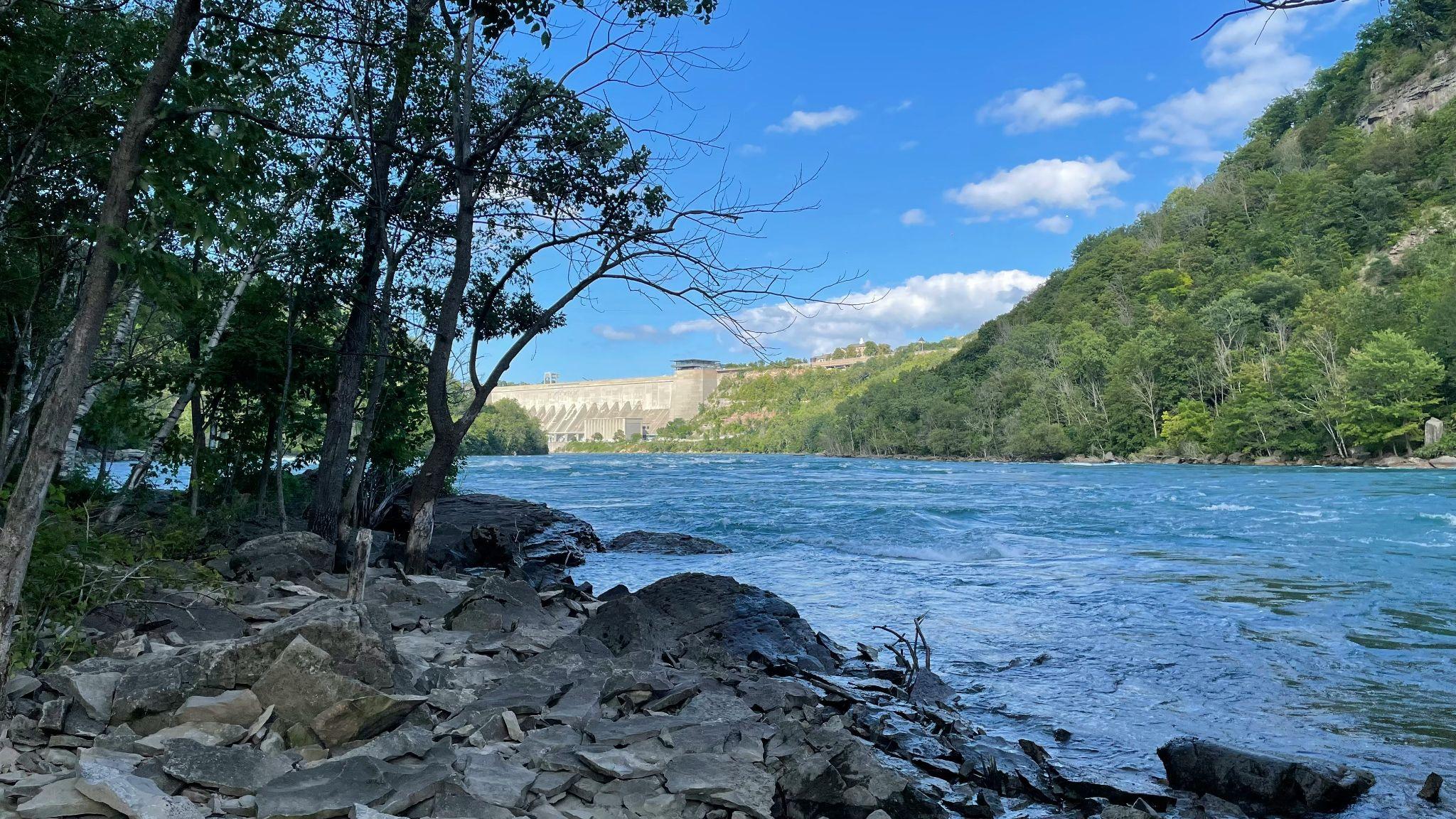
Nestled between Lake Erie and Niagara Falls, the Upper Niagara River has earned its place among North America’s premier musky destinations. Anglers are drawn by its swift currents, dramatic landscapes, and the promise of trophy-sized muskellunge. The river’s unique blend of rocky shorelines, deep pools, and fast-moving channels provides ideal habitat for these apex predators.
For Dr. James Frizzell, musky fishing here is as much about the experience—the anticipation of a strike, the thrill of a powerful fight, and the natural beauty surrounding each cast—as it is about the catch itself. With a strong conservation ethic and a dedicated local community, the Upper Niagara continues to thrive as a haven for seasoned musky hunters and newcomers seeking their first giant.
The Upper Niagara River
The Upper Niagara River stretches for more than 30 miles between Lake Erie and Niagara Falls, winding around Grand Island in western New York. Its swift current, rocky shorelines, and varied depths create a rich ecosystem that supports a wide range of fish species.
Alongside muskies, the river is home to smallmouth bass and walleye, making it a favorite destination for those seeking variety and challenge. This remarkable blend of natural beauty and angling opportunity sets the Upper Niagara apart from many other locales in the region.
Musky Habitat and Population
Muskellunge flourish in the Upper Niagara’s deep pools, swift channels, and along rocky drop-offs where baitfish are abundant. These features offer prime hunting grounds, giving the river a reputation for producing some of the largest muskies in New York State. Local anglers often recall encounters with fish topping 50 inches, a testament to the river’s ability to nurture giants.
Both resident muskies and migratory fish from Lake Erie contribute to a stable and resilient population. The river’s structure, from submerged weed beds to abrupt current breaks, supports healthy spawning and feeding areas that sustain these apex predators year-round.
Seasonal Patterns and Fishing Conditions
Musky season opens on June 1st, marking the start of a highly anticipated stretch for anglers. Early summer brings warmer water temperatures and increased musky activity, while late fall—especially November—draws those seeking the year’s biggest fish as they feed heavily before winter.
Dawn and dusk are particularly productive times, with muskies moving into shallower zones to hunt. Unpredictable weather and changing water clarity can add to the challenge, but those who pay attention to seasonal cues often find their efforts rewarded. Shifting river levels and occasional storms can dramatically alter fishing conditions, making adaptability a key trait for success.
Techniques and Equipment
Success on the Upper Niagara often hinges on a combination of skill and gear selection. Trolling large crankbaits behind a drifting boat covers water efficiently and entices strikes from elusive muskies lurking in deeper channels. Many seasoned anglers also favor casting oversized bucktail spinners or soft plastics near weed lines and rock piles, where ambush predators are likely to lie in wait.
Heavy-action rods, stout reels, and strong braided lines are standard choices, giving anglers the power needed to battle these formidable fish. Handling a trophy musky requires preparation and respect; quick measurements and gentle release methods help ensure healthy populations for future seasons. Specialized nets and jaw spreaders are often used to minimize stress on fish during catch-and-release.
Rules, Conservation, and Sustainable Practices
Strict regulations are in place to protect Niagara’s musky fishery, including a minimum size limit and a short open season. Anglers are encouraged to practice catch-and-release, using barbless hooks and rubber nets to minimize harm.
Conservation groups and the New York State Department of Environmental Conservation regularly monitor the river, working to maintain high water quality and preserve vital spawning habitat. Local stewardship is strong, with many fishing clubs organizing cleanups and educational events.
Advice and Local Resources
Safety on the Upper Niagara demands attention, as rapidly changing currents and boat traffic can pose risks to even experienced anglers. Many visitors choose to hire licensed guides who know the river’s intricacies, boosting safety and the odds of landing a trophy fish. Guides often share valuable tips on navigating tricky sections and avoiding common hazards unique to this waterway.
Nearby bait shops, charter services, and active angler communities provide a wealth of information. Connecting with local anglers can also offer insights into productive fishing spots and up-to-date regulations.