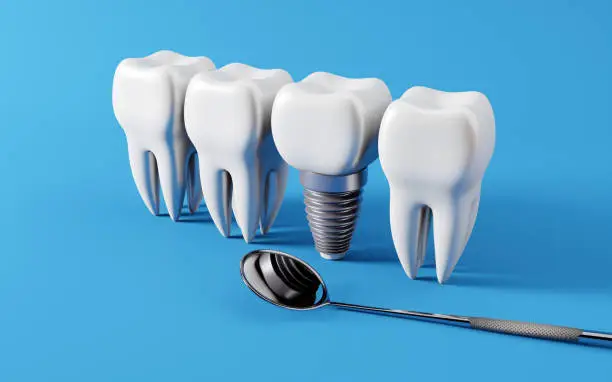
Missing teeth change how you eat, speak, and see yourself. They can strain your jaw and wear down nearby teeth. Traditional options like bridges and dentures fill the gap, but they often slip, rub, and break. They also do not protect your jawbone. Dental implants work differently. They replace the root and fuse with your bone. This creates a strong base for a single tooth, a bridge, or a full arch. As a result, you can chew, talk, and smile with more control and less fear. You also protect your long term health. If you are already looking for periodontal services in Webster, TX, you may wonder if implants are worth the effort. This guide explains five clear benefits of choosing dental implants over older treatments. You will see how they support your daily life, your health, and your sense of self.
1. Stronger chewing and easier eating
Food brings families together. Missing teeth can turn meals into stress. You may avoid meat, crusty bread, or raw vegetables. You may chew on one side and strain your jaw.
Implants give stable support that feels close to natural teeth. The implant sits in your jaw. It holds the crown in place when you bite.
You gain three clear changes.
- You can chew more types of food
- You can use both sides of your mouth
- You can eat without fear that teeth will move
The National Institutes of Health explains that implants help restore function when you are missing teeth. You can read more on the NIDCR tooth replacement page.
2. Better speech and clearer words
Teeth guide your tongue. Gaps change how air moves when you speak. Loose dentures can click or slip. That can cause you to mumble, rush, or stay quiet.
Implants stay fixed in your jaw. They do not shift when you laugh or say long words. Your tongue can touch stable surfaces and shape sounds in a steady way.
This helps you.
- Say words more clearly
- Join talks at school, work, or home
- Read to children or speak in groups without fear
Clear speech is part of daily respect. When you speak with ease, you feel more calm and present with others.
3. Protection for your jawbone
When you lose a tooth, the jawbone in that spot starts to shrink. It no longer gets pressure from chewing. Over time the bone can thin. Your face can change shape. Your cheeks may look sunken and your bite can shift.
Traditional bridges sit on top of the gums. Dentures rest on the surface. They do not send chewing pressure into the bone. The bone keeps shrinking.
Implants act like replacement roots. They press into the bone when you chew. This pressure gives the bone a reason to stay strong.
The American College of Prosthodontists explains that implants can help slow bone loss after tooth loss. You can see more details on the Colgate oral health education page, which shares expert based facts in simple language.
Jawbone support by tooth replacement type
| Option | Replaces tooth above gum | Replaces root in bone | Helps limit bone loss |
|---|---|---|---|
| Removable denture | Yes | No | No |
| Traditional bridge | Yes | No | No |
| Dental implant | Yes | Yes | Yes |
4. Long term stability and value
Dentures and bridges often need repair. The fit can change as your bone shrinks. You may need new sets. That adds visits, costs, and time off work or school.
Implants can last many years when you care for them. You brush, floss, and see your dentist for cleanings. You treat them as you treat natural teeth.
Over time this can lead to fewer replacements. It can also lower the stress of sudden breaks or loose teeth. When your teeth stay steady, your routine stays steady.
The NIDCR oral health resources show how daily care and checkups support long term mouth health. The same habits help protect your implants.
5. More comfort and quiet confidence
Chronic mouth pain drains energy. Sore spots from dentures can make simple tasks feel hard. You may worry that a tooth will slip in front of others. That constant alertness wears you down.
Implants feel fixed. They do not pinch the gums like some dentures. They do not hook onto nearby teeth like some bridges. You feel less rubbing and fewer pressure points.
This comfort supports your mood.
- You can smile without checking your teeth first
- You can eat with your family without planning every bite
- You can appear in photos without turning your head to hide gaps
That quiet confidence spreads into work, school, and home life.
Choosing what is right for you
Implants are not right for every person. You need enough bone, healthy gums, and a review of your health history. Children and some adults may need other options.
A licensed dentist or specialist can.
- Check your mouth and bone with exam and images
- Explain all options in clear terms
- Help you weigh cost, time, and care needs
You do not need to decide alone. You can bring a family member to your visit. You can ask for written steps and timelines.
Missing teeth can feel like a private burden. You deserve clear facts and steady support. Dental implants offer strong chewing, clearer speech, jawbone protection, long term stability, and greater comfort. With the right plan, you can move from hiding your smile to using it as a source of strength.