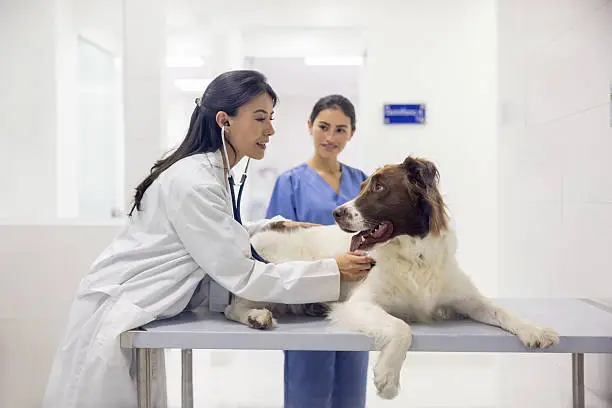
A visit to a Vestavia Hills vet means more than a yearly checkup and vaccines. Your pet’s life can change fast. Sudden pain. Ongoing itching. A strange bump. Quiet changes in mood. Routine visits may not catch every problem early. Extra services at a veterinary hospital can. These services protect health, comfort, and safety. They also give you clear answers when you feel stuck or scared. You can get help with behavior, long-term disease, and urgent care in one place. Each service aims to ease stress for you and your pet. You gain clear choices. You also gain support from a team that knows your pet’s history. This blog explains three services that go beyond routine care. It shows how they work, when to use them, and what to expect. You will see how these options can guard your pet’s health at every stage of life.
1. Diagnostic testing that finds hidden problems
Some problems stay hidden. Your pet may eat, play, and sleep as usual while the disease grows inside. Diagnostic tests help your vet see what you cannot. These tests guide decisions before a crisis hits.
Common diagnostic services include:
- Blood work that checks organs, infection, and anemia
- Urine tests that reveal kidney and bladder trouble
- X-rays that show bones, lungs, and large masses
- Ultrasound that shows soft tissue and fluid
- Heart tests such as ECG for rhythm changes
These tools often work together. One test may raise concern. Another test confirms it. You get a clearer picture and a direct plan.
The U.S. Food and Drug Administration notes that early testing can support safer treatment choices. You can reduce hard choices later by acting early now.
Common tests and what they often find
| Test type | What it checks | Possible problems it can show
|
|---|---|---|
| Blood panel | Liver, kidneys, blood cells, sugar | Organ disease, infection, diabetes |
| Urinalysis | Urine cells, crystals, protein | Urinary infection, kidney trouble, stones |
| X ray | Bones, chest, abdomen shape | Broken bones, arthritis, tumors, swallowed objects |
| Ultrasound | Organs and fluid in motion | Masses, fluid buildup, pregnancy, bladder stones |
| Heart ECG | Heart rhythm and rate | Arrhythmias that raise risk of fainting or collapse |
You do not need every test at every visit. Yet you can ask your vet which tests match your pet’s age and risk. You can also ask what each result means in plain terms.
2. Ongoing care for chronic disease
Many pets live with long-term disease. These problems do not go away. They need steady care. That care works best when it is planned and reviewed often.
Examples of long-term conditions include:
- Arthritis
- Kidney or liver disease
- Heart disease
- Diabetes
- Allergies and skin disease
A veterinary hospital can offer a clear care plan. This often includes:
- Regular checkups focused on one condition
- Medication checks to see what still helps
- Diet changes that support organs and joints
- Pain control plans that protect daily comfort
- Home care steps you can use each day
Arthritis care gives a clear example. You may see slow steps on stairs. You may see stiffness after rest. Your vet can suggest joint medicine, weight control, and simple home changes. These include soft bedding, low steps, and non-slip floors. Each change adds up. Your pet can move with less strain and more ease.
The American Veterinary Medical Association explains that strong long-term care can help pets with diabetes live many years. The same is true for many other chronic problems. Time, patience, and regular visits protect quality of life.
3. Emergency and urgent care when minutes matter
Even with good routine care, sudden crises happen. A fall. A car strike. A bite. A blocked bladder. Poison. In these moments, you need quick, calm help. Many veterinary hospitals provide urgent or emergency care, so you do not lose time.
Common reasons to seek urgent help include:
- Struggling to breathe
- Collapse or trouble standing
- Uncontrolled bleeding
- Seizures
- Repeated vomiting or bloating
- Pain that causes crying or hiding
- Known poison or drug exposure
- Sudden trouble passing urine
Emergency teams can give oxygen, fluids, pain control, and fast tests. They can also decide if your pet needs surgery, hospital stays, or close watching at home. You gain quick answers and a direct path.
You can prepare now. You can store the nearest emergency vet phone number. You can keep the carrier, leash, and records in one place. You can also ask your regular vet what to do after hours. These steps cut panic and save time when stress hits.
How to use these services for your pet
You do not need to wait for a crisis. You can bring these three services together in simple ways.
- During routine visits, ask if any screening tests fit your pet’s age and breed
- If your pet has a long-term condition, ask for a written care plan
- Keep a list of signs that mean you should call right away
Each step gives you more control. You stop guessing. You start acting with clear facts. Your pet gains comfort. You gain calm.
Veterinary hospitals offer more than shots and quick exams. They offer testing to find hidden problems. They offer steady care for long-term disease. They offer urgent help when life turns without warning. When you use these services together, you give your pet a safer and more secure life.