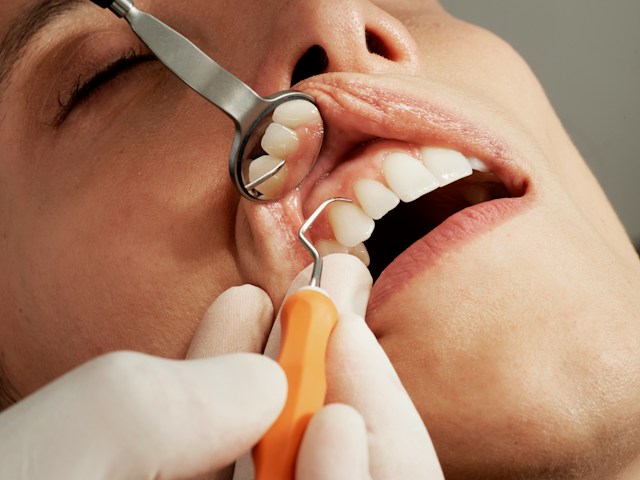
Retirement can feel like a deep breath, then a jolt. Your days shift, your paycheck changes, and the benefits you counted on at work may disappear faster than you expected. Dental care often lands right in the middle of that stress. You still need cleanings, exams, fillings, maybe a crown or denture adjustment, but the routine you had for years no longer fits your life or your budget. Finding the right dentist in North Edmonton can help make that transition easier.
That change can sneak up on you. A lot of people assume Medicare will cover the same kind of dental visits they had through an employer plan, then find out too late that routine dental services are generally not covered by Original Medicare. The result is familiar. You put off the appointment, hope the tooth settles down, and tell yourself you will deal with it next month. Months pass. The problem gets bigger and more expensive.
Dental care in retirement works best when you treat it as part of your health plan, not an extra if money allows. A steady home routine, clear insurance review, and a trusted family dentist can help you avoid painful surprises and protect your quality of life.
Retirement often disrupts oral health habits and dental coverage
When you stop working, your daily rhythm changes. You may no longer schedule appointments around lunch breaks or use paid time off for cleanings. If you moved, changed doctors, or started helping with grandchildren, dental visits can slide down the list. That is common, and it has real consequences because small dental issues rarely stay small.
Coverage changes make the problem harder. Some retirees move to Medicare and assume it includes preventive dental care. Others buy a separate dental plan and discover waiting periods, annual maximums, or limited provider networks. If you are living on a fixed income, even a basic exam can feel easy to postpone when you are choosing between groceries, prescriptions, and home costs.
Oral health also changes with age. Dry mouth from medications, gum recession, worn fillings, and trouble cleaning around bridges or dentures can all raise your risk. According to the CDC, tooth loss remains more common in older adults, which shows how much routine care still matters later in life. Retirement does not reduce the need for dental care. In many cases, it increases it.
You may also be dealing with something less visible. A lot of people feel embarrassed when they have not been in for a while. They expect judgment, a big bill, or a long list of work they cannot manage. A good dental office understands that life changes. The goal is not to shame you for the gap. The goal is to help you restart.
Dental care after leaving work needs a new plan, not guesswork
The old approach may have been simple. Your employer plan covered two cleanings a year, you saw the same office for years, and the out of pocket cost was manageable. After retirement, that system can fall apart. If you do nothing, you are left reacting to pain instead of preventing it.
That is where dental coverage after retirement becomes less about paperwork and more about choices. You need to know what your current plan actually covers, whether your dentist is in network, and what major procedures might cost before you need them. If you wear dentures, have implants, or have a history of gum disease, these details matter even more.
Home care deserves equal attention. The National Institute on Aging offers practical guidance on taking care of your teeth and mouth as you age, including brushing with fluoride toothpaste, cleaning between teeth, watching for dry mouth, and checking for sores or bleeding. Those habits are not glamorous, but they lower the odds of urgent treatment later.
The root issue is simple. retirement dental care needs structure. Without it, routine care becomes optional, and optional care often turns into delayed care.
Comparing preventive dental care with delayed treatment costs
| Situation | What it usually involves | Likely short term cost | What can happen if delayed |
|---|---|---|---|
| Preventive visit | Exam, cleaning, X rays if needed, early treatment planning | Lower and more predictable | Small cavities, gum irritation, and broken fillings may go unnoticed |
| Minor early treatment | Filling, simple repair, night guard review, denture adjustment | Moderate | Pain can worsen, cracks can deepen, chewing may become harder |
| Delayed problem care | Root canal, crown, extraction, periodontal treatment, replacement tooth options | Higher and less predictable | Infection, tooth loss, diet changes, speech issues, more visits |
This is where a family dentist can make life easier. Instead of treating each visit like a one time emergency, you build a relationship with an office that knows your history, your medications, your budget concerns, and the pace that feels manageable to you. That continuity matters when your needs change over time.
Small steps can stabilize your dental routine after retirement
1. Review your coverage before you book treatment.
Call your plan and ask direct questions. Are preventive visits covered? Is there a waiting period for major work? What is the annual maximum? Is your dentist in network? Write the answers down. If you do not have dental coverage, ask the office for a fee estimate and payment options before the visit.
2. Rebuild a simple daily routine at home.
Brush twice a day with fluoride toothpaste, clean between your teeth once a day, and keep water nearby if medications leave your mouth dry. If you have dentures, clean them as directed and do not ignore sore spots. Consistency matters more than perfection.
3. Schedule a baseline visit with a family dentist.
If it has been a while, say that when you call. Ask for an exam focused on current needs, not a rushed list of every possible fix. A clear starting point helps you sort urgent care from care that can wait. That alone can reduce a lot of anxiety.
Steady dental care protects comfort, confidence, and health
Retirement changes a lot, but it does not have to push your oral health off track. You do not need a perfect plan. You need a realistic one that fits your coverage, your budget, and your life now. Regular care, honest cost discussions, and a dependable family dentist can keep small problems from turning into painful ones.
If your routine and benefits have changed, now is a good time to set a new dental plan in motion and book the care you have been putting off.