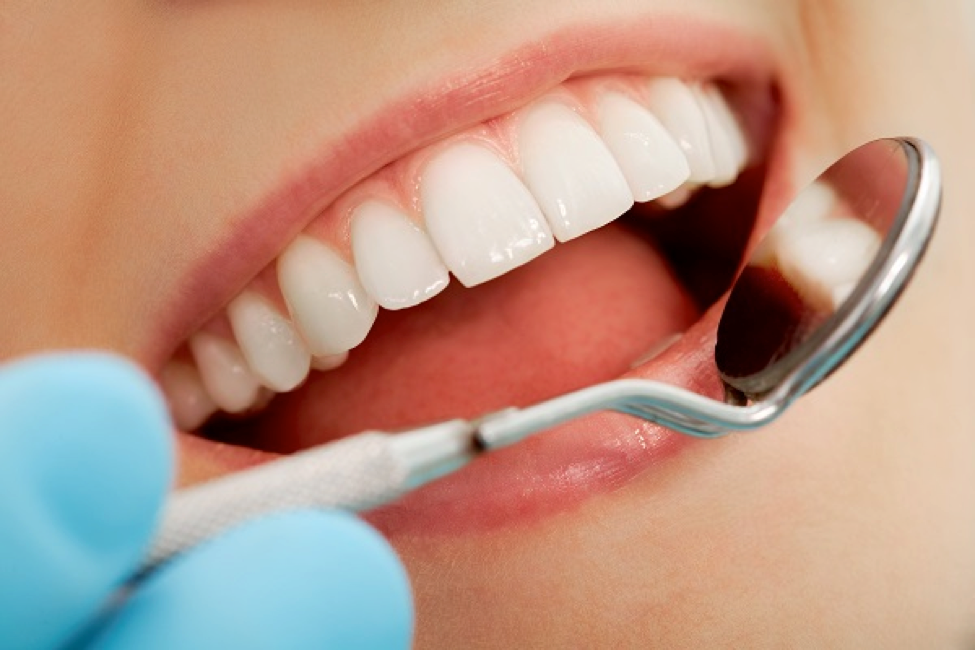
You may have been putting this off for a while. A chipped tooth that seemed minor, stains that no whitening toothpaste can touch, a bite that feels off, or a tooth you avoid chewing on because it sends a sharp warning. It is easy to tell yourself it can wait, especially when life is busy and dental work feels like one more thing to manage. An Albany dentist can help you address these concerns before they become more difficult to ignore.
The hard part is that some dental problems are not only about looks, and they are not only about function. They sit in the middle. A damaged or worn tooth can change your smile and make daily life harder at the same time. That is usually when cosmetic and restorative dentist care starts to make sense. You are not being vain if you want your teeth to look better, and you are not overreacting if you want them to work properly again.
If you are seeing changes in how your teeth look, feel, or fit together, there are often clear signs that point to combined treatment. The goal is simple. Protect your oral health, restore comfort, and help you feel less self conscious when you smile.
Visible damage often means the problem is deeper than appearance
A small crack, chipped edge, or broken filling can seem cosmetic at first. You notice it in photos or when you catch your reflection, but the real issue may be structural. Once enamel is damaged, the tooth is more exposed to wear, sensitivity, and decay. According to the National Institute of Dental and Craniofacial Research on tooth decay, cavities and enamel breakdown can progress if they are not treated early.
This is where appearance and function meet. A front tooth with a chip may need bonding, a veneer, or a crown, but the choice is not only about matching color or shape. It is also about protecting what remains of the tooth. If the damage is ignored, you may end up with more pain, a larger repair, and a higher bill later.
Smile restoration and repair often starts with one visible flaw that turns out to be a warning sign.
Tooth wear and jaw tension can point to grinding related damage
You might wake up with a tight jaw, headaches near your temples, or teeth that seem flatter than they used to be. Maybe your partner hears you grinding at night. Maybe your dentist keeps mentioning wear patterns. This does not just affect comfort. Grinding and clenching can shorten teeth, crack enamel, and change the shape of your smile over time.
The NIDCR page on bruxism explains that grinding can happen during sleep or while awake, and it can damage teeth and dental work. The University of Nebraska Lincoln article on grinding and clenching also notes that stress, sleep issues, and bite problems can all play a role.
If your teeth are getting shorter, more sensitive, or more uneven, a purely cosmetic fix may not last. The bite force that caused the damage in the first place can break new work too. In cases like this, a cosmetic restorative dental care plan may include rebuilding worn teeth and addressing the grinding with a night guard or bite adjustment.
Missing teeth and old dental work affect both confidence and chewing
A missing tooth changes more than your smile. It shifts how you chew, how clearly you speak, and sometimes how willing you are to laugh without covering your mouth. The same goes for old crowns, discolored fillings, and dental work that no longer blends in. What started as a functional repair years ago may now feel obvious every time you look in the mirror.
There is also the issue of pressure. When one tooth is missing or one side of your mouth does most of the chewing, nearby teeth often take on more force than they should. That can lead to more cracks, soreness, and uneven wear. Replacing or updating damaged teeth can improve appearance, but it also helps stabilize your bite and reduce strain on the rest of your mouth.
Pain, sensitivity, and changes in your bite deserve prompt attention
If cold drinks sting, chewing feels uneven, or your teeth no longer come together the way they used to, your mouth is telling you something. People often adapt without realizing it. You chew on one side, avoid certain foods, or stop smiling as widely because one tooth bothers you. That coping can go on for months.
The longer it goes on, the more likely the issue spreads. A bite problem can wear down multiple teeth. Sensitivity can point to exposed dentin, decay, recession, or a crack. When symptoms and appearance shift at the same time, dental restoration is usually not just optional upkeep. It is part of stopping the cycle.
Common signs and what combined treatment may address
| What you notice | What may be happening | Why cosmetic and restorative care may both help |
| Chipped, cracked, or uneven teeth | Weak enamel, trauma, or bite stress | Restores strength and improves shape, symmetry, and color |
| Worn down teeth or jaw soreness | Grinding or clenching | Rebuilds damaged surfaces and protects against future wear |
| Missing teeth or failing old dental work | Shifting bite and added pressure on nearby teeth | Replaces function and creates a more natural looking smile |
| Sensitivity, chewing pain, or bite changes | Decay, cracks, recession, or misalignment | Treats the source of discomfort while improving appearance |
Small steps now can prevent larger treatment later
Pay attention to patterns. One rough edge or one sensitive tooth may not seem urgent, but repeated discomfort, visible wear, or a change in your bite usually means there is a larger issue behind it. Take note of when it happens, what triggers it, and whether it is getting worse.
Gather your dental history. If you have old crowns, frequent repairs, grinding, or past injuries, mention all of it at your visit. These details help explain why a tooth keeps breaking or why cosmetic fixes have not lasted in the past.
Ask for a treatment plan that addresses form and function together. You want to know what is causing the problem, what needs protection, and what options will also improve the look of your smile. A good plan should explain how to restore strength, comfort, and appearance in a way that holds up over time.
You do not have to wait until a tooth breaks further or the discomfort becomes constant. When your smile looks different and feels different, that usually means both cosmetic and restorative care deserve a closer look. Taking action now can protect your teeth, lower the chance of more involved treatment later, and help you feel more at ease every time you eat, speak, or smile.